Open post Building a Strong Recovery Network Through Connection at GateHouse Lancaster PA

Building a Strong Recovery Network Through Connection

Recovery stories tend to focus, understandably, on the person doing the work: the decisions they make, the obstacles they overcome, and the life they begin to rebuild. But look closely at almost any recovery journey, and you will usually find other people woven throughout it.

Someone helps make the first connection to care. A counselor helps make sense of difficult patterns. A case manager connects someone with resources. Family members, employers, sponsors, friends, and others may eventually become part of that recovery network, too.

Recovery will always remain deeply personal, but it will never happen in isolation.


That First Connection


Seeking help can be difficult. You may know life needs to change without knowing where to start or what kind of care you need. A friend or family member may nudge you to the doorstep, while recovery professionals can help you understand what comes next and begin moving forward.

At The GateHouse, that philosophy of walking beside our clients is reflected in BESIDE our values:

Be Impactful
Empowerment
Stewardship
Integrity
Diversity
Empathy
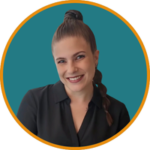
The GateHouse Mariah Milani
Mariah Milani

BESIDE values help guide how our team members approach their work and connect with clients.

For example, intake professionals are often the first voices and faces you’ll see. They help individuals and families understand their options and begin moving toward appropriate care.

Intake Supervisor Mariah Milani describes that work in terms of restoring agency. Mariah says “Empowerment” is The GateHouse value that resonates most with her, because when people have the resources and tools to advocate for themselves, “it gives them back the power to be the hero in their own story.”

That first connection opens the door to many more.


Daily Support Helps Create Stability

 

The GateHouse Dwayne Brown
Dwayne Brown

Once you enter a recovery program, connection becomes part of everyday life.

Residential staff and recovery specialists are there for the ordinary moments that can become difficult in early recovery:

  • Coming home from work after a hard day
  • Following through on responsibilities
  • Learning to live within a healthy routine

The GateHouse Sarah Keihl
Sarah Keihl

Dwayne Brown, a Residential Support Staff member at The GateHouse, says “Integrity” is the BESIDE value that’s most important to him. He describes one of his favorite parts of the job as meeting new clients, checking in with residents, and “watching the transformation.”

Recovery Specialist Sarah Keihl identifies “Empathy” as her most important value and points directly to “the connections I form with every client.” Drawing from her own experience, Sarah tries to help people see that long-term recovery is possible.

Those daily interactions create accountability, encouragement, and the experience of having dependable people around.


Counselors Bring Professional Guidance

 

The GateHouse Jamie Howdyshell
Jamie Howdyshell

Counselors and other clinical professionals can help you recognize patterns, develop coping strategies, set goals, and build skills that support long-term recovery.

But effective counseling is still rooted in connection.

Clinical Supervisor Jamie Howdyshell recognizes that the right recovery support can look different from person to person. For her, empathy involves trying to understand each client and “meet them where they are in order to provide the best possible care.”

Professional expertise, peer understanding, personal accountability, and emotional support each serve a different purpose within a recovery network.


Case Managers Connect Recovery to Everyday Life

 

The GateHouse Lindsey Blevins
Lindsey Blevins

Recovery eventually has to work in everyday life.

Case Manager Lindsey Blevins describes her role at The GateHouse as helping clients transition toward stability by introducing them “to resources they may not be able to access on their own.”

During the rebuilding process, you may need to navigate employment, transportation, housing, healthcare, education, or other practical needs. Case managers like Lindsey and other support professionals can help you identify and navigate those resources.


Every Role Can Help Strengthen the Network


Some of the people supporting your recovery may never sit in a counseling session or work directly with you every day. Yet, their work often makes your care possible.

The GateHouse Shayleen Concepcion
Shayleen Concepcion

Billing Specialist Shayleen Concepcion knows that firsthand. A person in recovery herself, she describes working at The GateHouse as being part of “a mission that saved my life.”

“Even in billing,” she said, “I know every claim processed represents a real person getting the same chance at a new beginning that I had.”

Administrators, billing teams, supervisors, support staff, and others help create the systems that allow care to happen. Their roles may be different, but they support the same mission: helping you through every aspect of your recovery.


The Recovery Network Extends Beyond The GateHouse


Professional support is only one part of a healthy recovery network.

Peers can offer understanding rooted in shared experience. Sponsors and mentors provide accountability and perspective. Family members and friends may help rebuild trust and offer encouragement. Employers provide stability, responsibility, and purpose. Faith communities, volunteer organizations, neighbors, and others create opportunities for belonging.

Not everyone needs the same network, and those relationships can change over time. What matters is having people who support the life you’re trying to build.


Building a Support Network Takes Time


Few people enter recovery with every healthy relationship they need already in place.

A support network develops gradually through honesty, shared experiences, and trust. It might begin with a counselor, a case manager, or one supportive family member and expand from there.
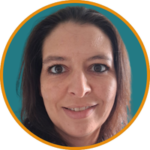
The GateHouse Meagan Halbleib
Meagan Halbleib

Start with the relationships already available to you, then look for the gaps. You may have strong family support but need peers who understand recovery, or a sponsor and counselor but need help rebuilding work and community connections.

It’s possible, perhaps even likely, that as you continue your own recovery journey, you may eventually become part of someone else’s.

Recovery Specialist Meagan Halbleib says working at The GateHouse has given purpose to her own life by allowing her to use her own recovery experience “to help others be successful in their recovery.”

The progression from receiving support to becoming a source of support is one of the ways recovery communities continue to grow.


The Recovery Journey Isn’t Taken Alone


Personal commitment remains essential. No counselor, family member, sponsor, or friend can do the recovery work for you. But these people can help make your work possible.

One person may help you get started. Another provides stability. Another offers professional guidance. Someone else connects you with a resource or opportunity. Over time, peers, family, employers, friends, and the larger community may join your network.

At The GateHouse, helping people create and strengthen those connections is part of helping them build meaningful lives in recovery.

Recovery will always belong to you, but a strong support network gives you people to turn to as you build the life you want to sustain.


The GateHouse is Central Pennsylvania’s leader in accredited recovery care, recognizing the unique challenges individuals face on their journey to recovery. Reach out to us today to learn more about our programs and the support available to help build a meaningful life in recovery.


Open post Dan Schultz, GateHouse alumnus in long-term recovery

In Recovery, the Power of Community Starts with Connection

Recovery often begins in small, quiet moments. A nod across the room. A shared laugh after a group meeting. The simple act of being listened to without judgment. These everyday interactions can carry enormous weight for someone working to rebuild their life after struggling with substance use disorder.

At The GateHouse, those moments aren’t left to chance. They are part of our culture. Community is woven into every aspect of the recovery journey. From group meals and shared living spaces to structured programming and peer mentorship, connection runs through everything at The GateHouse. It’s the foundation that helps our clients move forward.

Whether it’s a sponsor offering a steady voice during a hard week or a fellow resident sharing a story that hits close to home, these relationships are often what carry people through. Over time, connection builds confidence, accountability, and, perhaps most important, a renewed sense of belonging.


Breaking Isolation, Building Belonging

Dan Schultz

Substance use disorder often thrives in isolation. Recovery, in contrast, grows stronger through shared experience. At The GateHouse, building community goes beyond placing individuals in group settings. It’s about creating spaces where each person is treated with dignity and supported with empathy.

“I felt safe there,” said Dan Schultz, an alumnus of The GateHouse who first entered the program in the early 1980s. “I knew if I stayed in Rochester, I would never have made it.”

Dan spent years caught in the cycle of alcohol use and legal consequences before arriving at The GateHouse. What he found was more than a structured environment. He found a group of people who helped him stay accountable while offering steady encouragement.

That’s what connection does. It anchors people in difficult moments. It replaces shame with shared purpose. It makes healing possible.


The Role of Mentorship and Sponsorship

Judy Bohner

Mentorship is a core part of the recovery journey at The GateHouse. Our programs encourage individuals not only to seek guidance from mentors and sponsors but also, when ready, to become one themselves. This creates a network of mutual support where growth flows in both directions.

Judy Bohner, who entered The GateHouse later in life, found strength through this model. Now in long-term recovery, she has spent more than two decades sponsoring others in her local recovery community.

“My AA home group has become my chosen family,” she said. “That connection changed everything for me.”

For many clients, the presence of a mentor is the first time someone consistently shows up for them without judgment or agenda. These relationships help normalize the ups and downs of recovery and offer reassurance that challenges don’t have to be faced alone.


Why Group Experience Matters

Jodi O’Reilly, Irene Mouchlizis, and Janice Potter

Recovery doesn’t happen in a vacuum. It is shaped and supported by the people around us. That’s why The GateHouse prioritizes group-based healing, whether through formal therapy sessions, shared living spaces, or peer-led support groups.

In these spaces, clients begin to see themselves in others’ stories. Vulnerability is met with compassion. Accountability is delivered with care. As trust builds, so does the belief that change is possible.

One of the people who helped set this tone was Janice Potter, a former Recovery Program Supervisor and alumnus of The GateHouse, who passed away in December 2022.

“She treated everyone with the same dignity, respect, tenderness, and empathy,” recalled Executive Director Jodi O’Reilly. “She was an advocate for every woman here and spoke the truth, even when it was tough.”

Janice’s approach reflected a deeper understanding. Shame is one of the biggest barriers to healing, and compassion has the power to dismantle it.


Summer Can Challenge Routine, but Community Helps

Summer is a season that naturally encourages spontaneity, travel, and breaks from routine. While that can feel freeing, it can also become destabilizing, especially for those in early recovery.

That’s why summer is a critical time to stay connected.

The GateHouse reinforces the importance of consistent routines and peer relationships, even during months that might feel looser or more chaotic. For those living in recovery, it’s less about restriction and more about reinforcement.

“I want the life I have today,” Dan Schultz said. “In early recovery, it’s so easy to get overwhelmed.”

His advice?

“Go to meetings,” he said. “Keep it simple. Stay close to the people who remind you why you started this journey in the first place.”


How Does Community Support Help Addiction Recovery?

David Morgan

Every path through recovery is unique. Some arrive at The GateHouse following multiple inpatient stays. Others come directly from detox or court-mandated programs. But for nearly everyone, the turning point involves connection.

David Morgan, a GateHouse alumnus, had already completed five treatment programs before arriving.

“I was beaten down,” he said. “I came close to death a couple times.”

At The GateHouse, David found something different: a peer group that challenged his ego, a counselor who helped him shift his mindset, and a community that welcomed him without pretense.

Those relationships helped him find stability and over time, helped him grow. Today, David continues to stay active in the recovery community, sponsoring others and building a life around service, accountability, and purpose.

“My whole life now revolves around the people I met in recovery,” he said. “And it’s a great life.”


A Culture of Connection

For more than half a century, The GateHouse has built a community where people in recovery find connection and structure. It offers a place to belong. From the beginning, its founders believed in the power of community. That belief still guides the organization today.

Former Executive Director Bruce Caldwell was known for helping clients not just through structure, but through relationship. When Judy Bohner applied for a job while at The GateHouse, Bruce personally advocated for her while also setting clear expectations with the employer. That combination of support and accountability helped Judy thrive and eventually led to her joining the board.

That’s the kind of leadership The GateHouse fosters. It invests in people, even when they are still learning to invest in themselves.


Staying Connected, Staying Grounded

Recovery is a process rooted in connection. It grows through structure, compassion, and the daily decision to keep showing up—for yourself and for others.

Here at The GateHouse, community is more than a value. It’s a lifeline. During seasons when routine may falter, staying connected through mentorship, group support, and daily structure can make all the difference.

The journey through recovery doesn’t have to be walked alone. In fact, it works best when it isn’t.


The GateHouse is Central Pennsylvania’s leader in accredited recovery care, recognizing the unique challenges individuals face on their journey to recovery. For more than 50 years, we’ve helped individuals restore their lives and rediscover the strength of the human spirit.

We provide each client with a support system that helps break the cycle of substance use disorder and put them on the path to lasting recovery. Whether you need outpatient services, transitional housing, or residential extended care, we’re here to help. Reach out to us today.


Scroll to top