Open post The GateHouse and ExtraGive 2026

How the People Who Connect Us Change Lives Beyond Recovery

A young woman once told Mariah Milani that she’d always wanted children of her own. But there was something holding her back.

Her mother had struggled with substance use disorder for years, and the young woman worried about exposing her future children to the same instability she’d experienced.

The GateHouse Mariah Milani
Mariah Milani

Mariah, an Intake Supervisor at The GateHouse, learned about the family’s circumstances during a chance encounter outside of work. The woman’s mother had participated in The GateHouse’s recovery programs twice and had been in recovery for approximately two years.

That progress changed the daughter’s outlook. She was beginning to feel comfortable pursuing the family she’d always wanted.

“It just seems like her life had changed for the better in those last two years,” Mariah recalled. “She wanted to have kids again.”

Stories like this demonstrate how recovery can change lives far beyond the individual experiencing substance use disorder. Families regain hope, relationships have opportunities to heal, and futures that once seemed uncertain begin to look possible again.

The people and resources behind these changes are at the heart of The GateHouse’s 2026 Extraordinary Give campaign, The People Who Connect Us.


Rebuilding Relationships, One Step at a Time

For families affected by substance use disorder, rebuilding trust can be among the most difficult parts of recovery.

Years of uncertainty, broken promises, or strained relationships can leave loved ones cautious, even when someone begins making meaningful progress. Trust returns gradually through everyday actions:

  • Showing up
  • Following through on commitments
  • Being honest
  • Respecting boundaries

The young woman Mariah encountered had witnessed enough positive changes in her mother’s life to reconsider decisions about her own future. But maintaining that progress also requires stability.


Creating the Stability That Supports Recovery

Rebuilding relationships becomes considerably more difficult when someone is struggling to meet basic needs.

A person worried about housing, transportation, or food faces additional pressures while trying to maintain healthy routines and repair important relationships.

At The GateHouse, our residential extended care, transitional living, and other recovery services help individuals develop the skills and independence needed to navigate everyday responsibilities.

Jodi O'Reilly
Jodi O’Reilly

Community contributions help address needs that might otherwise become barriers to progress.

“People like to see where their money’s going,” Mariah said recently during a discussion about the ExtraGive. “Just reading it on a screen is a little different than actually seeing it.”

For Executive Director Jodi O’Reilly, that impact is visible in the practical assistance The GateHouse provides to people working toward independent living.

“Sometimes it means helping clients furnish their first apartment or providing rent scholarships as they transition to independent living,” Jodi said. “These are practical ways we can help people establish a stable foundation for the next chapter of their lives.”


The People Who Stand Beside Those in Recovery

Practical assistance is one part of recovery. Equally important are the people who provide encouragement, understanding, and accountability.
Marisol Reed
Marisol Reed

For Marisol Reed, a Recovery Specialist at The GateHouse’s Mountville location, empathy is essential.

“Everyone comes from a different walk of life,” she said, emphasizing the importance of understanding what others have experienced and the challenges they may still face.

The GateHouse Meagan Halbleib
Meagan Halbleib

That perspective helps staff provide individualized support, whether someone is reconnecting with loved ones, establishing healthy routines, or learning to manage responsibilities independently.

Recovery Support Specialist Meagan Halbleib brings her own recovery experience to that work.

“Working at The Gatehouse allows me to use my lived experience in recovery to help others be successful in their recovery,” Meagan said.

Meagan’s experience illustrates how recovery support can come full circle. People who once relied on encouragement and guidance may eventually provide that same support to others. Together, these relationships create a community where individuals can develop confidence, strengthen connections, and continue moving forward.


Your ExtraGive Contributions at Work

For someone contributing to The GateHouse during the ExtraGive, the connection between a donation and a person’s recovery may not always be immediately apparent.

Yet the impact can extend well beyond the initial assistance.

  • A rent scholarship can provide breathing room while someone establishes financial stability.
  • Reliable transportation can help someone maintain employment.
  • A recovery-focused activity can introduce someone to new friendships and a supportive community.

Each represents an opportunity to make progress, strengthen relationships, and build confidence in the future.

Last year, supporters helped The GateHouse raise more than $17,000 during the ExtraGive. This year, generosity like that can continue helping individuals overcome everyday challenges while working toward lasting recovery.

The benefits extend beyond the person receiving assistance. As Mariah’s story illustrates, progress in one person’s recovery can create opportunities for an entire family.


Become Part of the Connection This ExtraGive

This year, we’re inviting Lancaster County to help The GateHouse continue providing the people, programs, and resources that support recovery.

For the young woman Mariah met, her mother’s progress in recovery helped restore something deeply personal: confidence in the possibility of building a family of her own.

That’s the potential of recovery. As individuals rebuild their lives, the people around them can discover new hope for their own futures.

This ExtraGive, you can become one of The People Who Connect Us.

Join your neighbors, local businesses, community supporters, and The GateHouse alumni in helping individuals and families build stronger, healthier, and more fulfilling lives.


Support The GateHouse during the 2026 Extraordinary Give and help make those connections possible.


 

Open post Stability, Purpose, and Connection in Long-Term Recovery

Stability, Purpose, and Connection in Long-Term Recovery

Recovery Is More Than Avoiding Relapse

For someone recovering from substance use disorder, going another day without drugs or alcohol can be an important accomplishment. But it’s how you spend that new day that makes all the difference.

  • Did you go to work?
  • Spend time with family?
  • Attend a recovery meeting?
  • Make progress toward a personal goal?
  • When something went wrong, were you able to manage the situation without returning to substance use?

Avoiding relapse is an important part of the process, but long-term recovery involves more than not using substances. It also means addressing the circumstances, behaviors, relationships, and challenges that influence a person’s ability to live a healthy, fulfilling life.


The Difference Between Abstinence and Recovery

Abstinence generally refers to refraining from using alcohol or other substances. For people recovering from substance use disorder, it is a central goal and an essential part of maintaining their health.

Recovery is much broader.

According to the Substance Abuse and Mental Health Services Administration (SAMHSA), recovery is a process through which individuals improve their health and wellness, lead self-directed lives, and strive to reach their full potential.

There are four major dimensions of recovery:

  • Health: Managing substance use disorder while making choices that support physical, mental, and emotional well-being.
  • Home: Having a stable, safe place to live.
  • Purpose: Finding meaning through employment, education, family responsibilities, volunteering, or other activities.
  • Community: Developing relationships that provide friendship, encouragement, accountability, and support.

Someone may remain abstinent, yet still struggle with unstable housing, unemployment, isolation, or mental health challenges. Addressing those problems is part of recovery, too.

Likewise, someone may experience setbacks while making meaningful progress in other areas of life. Recovery is not always a straight line, and a brief return to substance use doesn’t necessarily erase the progress someone has made.


The Everyday Work of Recovery

Substance use disorder can disrupt nearly every aspect of a person’s life, from employment and finances to relationships and healthy routines. Stopping substance use doesn’t automatically resolve those problems.

Someone leaving treatment may need to find a job, arrange transportation, manage household expenses, and rebuild relationships. At the same time, they’re learning to handle everyday stress without returning to substance use.

At The GateHouse, residential extended care and transitional living programs help individuals develop the practical skills and habits needed for independent living.

  • Getting to work on time helps establish consistency and accountability.
  • Managing a budget builds financial independence.
  • Participating in household responsibilities reinforces cooperation and reliability.


Rebuilding Trust and Finding Connection

For some individuals, years of substance use have damaged relationships with friends, spouses, children, or other family members. Rebuilding trust takes time, and reconciliation is not always possible or appropriate.

It often begins with changes in behavior rather than promises:

  • Showing up when expected
  • Following through on commitments
  • Respecting boundaries
  • Communicating honestly

Steps like these gradually demonstrate personal growth. At the same time, individuals in recovery may need to reassess relationships and social environments that no longer support their well-being.

Peer support groups, sponsors, mentors, counselors, and others with lived recovery experience can provide accountability, guidance, and opportunities to build healthy relationships. They can also help individuals recognize unhealthy patterns and develop better ways of responding to stress.

They provide opportunities to develop friendships, practice healthy communication, and experience the sense of belonging that makes life more fulfilling.

Over time, people who once depended on that support may find themselves providing it to someone else.


Finding Purpose Beyond Substance Use

Employment can provide income, routine, responsibility, and opportunities to contribute. But purpose isn’t limited to a paycheck. It can also come from pursuing an education, reconnecting with family, volunteering, or helping others in recovery.

Someone who previously structured their day around obtaining or using substances may need to develop new routines, interests, and relationships.

At The GateHouse, helping individuals discover those interests and develop greater independence is part of preparing them for life beyond structured care.


Recognizing Growth Along the Way

Milestones marking time without substance use are worth celebrating, but they aren’t the only way to measure progress.

Someone who once struggled with conflict may learn to have difficult conversations without becoming overwhelmed. A person who had trouble maintaining employment may begin showing up consistently. A parent may gradually rebuild trust with a child.

These are meaningful signs of recovery, even when they’re difficult to quantify. And because life’s challenges don’t disappear after treatment, neither does the need for ongoing recovery support.


The People Who Help Make Recovery Possible

Recovery depends on more than individual determination. Counselors, sponsors, family members, employers, and community supporters all play important roles, whether they’re providing guidance, helping someone find employment, or assisting with basic needs.

These connections are central to The GateHouse’s work and the inspiration behind our 2026 Extraordinary Give theme, The People Who Connect Us.

Your contribution during this year’s ExtraGive helps sustain the programs and services that support individuals as they rebuild their lives, develop independence, and strengthen their connections to the community.


If you or someone you care about is ready to begin a recovery journey, contact The GateHouse to learn about available programs and support. Those who want to strengthen recovery in Lancaster County can follow The GateHouse as we prepare to share more about this year’s ExtraGive campaign.


Open post Peer support in addiction recovery at The GateHouse Lancaster PA

Recovery Happens Together: Peer Support in Addiction Recovery

The GateHouse Jere Stabley
Jere Stabley

The GateHouse was built on the idea that peer support in addiction recovery — people using their own experience to help others — is one of the most powerful forces in lasting change.. More than five decades ago, Jere Stabley and a group of friends spent their Tuesday and Wednesday evenings and much of their Saturdays working on a house in Lititz.

It needed to be cleaned and painted. The floors needed work. For about five months, the group did much of it themselves.

They were building the first home of what would eventually become The GateHouse.

The need was real. Lancaster had no place where people could go after completing acute rehabilitation to find continued recovery support as they began rebuilding their lives. Jere understood that need personally. He had entered Alcoholics Anonymous several years earlier and met many fellow founders of The GateHouse there.

For them, creating The GateHouse was a way of taking what they had learned through their own experiences and using it to help the people coming behind them. “It felt good to give something back to the community after taking so much,” Jere later recalled. More than 54 years later, that idea remains woven into the work of The GateHouse.


Recovery Happens Together

The GateHouse National Recovery MonthSeptember is National Recovery Month, and one of the themes of the Substance Abuse and Mental Health Services Administration’s 2026 campaign is “Recovery Happens Together.”

The message recognizes something The GateHouse has understood since its earliest days: recovery requires deeply personal effort, but that effort can be strengthened through relationships, structure, opportunity, and community.

Last month, we explored the people who can become part of a strong recovery support network. Counselors, case managers, sponsors, peers, family members, employers, and others can each play a different role in helping someone move forward.

Those connections can have an impact beyond the person receiving support. Sometimes, the person being helped today becomes the person helping someone else tomorrow.


When Support Comes Full Circle

The GateHouse Yannick Harris
Yannick Harris

Throughout The GateHouse’s history, paying it forward has been part of the recovery process.

Yannick Harris once came to The GateHouse needing structure and accountability in his own life. Curfews, daily commitments, and program expectations helped provide consistency while he worked through the early stages of recovery. Over time, his role changed.

Yannick eventually returned to The GateHouse as a counselor, putting his own experience to work helping people travel a road he already knew.

Meagan Halbleib, a recovery specialist at The GateHouse, has had a similar experience. Her own recovery now informs the work she does with others.

Working at The Gatehouse allows me to use my lived experience in recovery to help others be successful in their recovery,” she said. “Working here has given purpose to my life.”

The GateHouse Meagan Halbleib
Meagan Halbleib

Not every recovery story follows the same path because no two journeys begin exactly the same way. But for some people, recovery creates a deeper understanding of what another person may be going through. They remember the fear, uncertainty, frustration, or shame that can accompany those early steps because they have felt those things themselves.

For others, it leads to a career in behavioral health or recovery services. Others may become sponsors or mentors. In many cases, it can be something less formal: listening, sharing perspective, providing encouragement, or simply showing someone that another life is possible.

What was once given to them becomes something they can pass along.


The Value of Peer Support in Recovery: Someone Who Has Been There

Professional treatment, counseling, case management, and other services remain essential parts of recovery, but lived experience brings something different to the table.

Someone who has traveled through recovery may understand the raw fear of starting over, the frustration of being held accountable, the difficulty of changing familiar patterns, or the uncertainty of trying to build an entirely different life.

For someone just beginning that journey, there can also be empowerment in meeting another person who has already traveled farther down the road and seeing how they’ve succeeded. They’re evidence that change is possible. It could be a sponsor at a meeting, a peer offering support, a counselor drawing on personal experience, or simply someone willing to listen without judgment.

At The GateHouse, mentorship like this reaches all the way back to Jere and the people who helped establish the organization. They knew what it meant to need support while rebuilding a life. So, they created a place where others could find it.


A Community That Keeps Giving Extra

What happens inside a treatment or recovery program lays the foundation. But eventually, recovery has to live in the world outside of it.

That’s where the larger community becomes important.

A person rebuilding a life may need an employer willing to offer an opportunity, a family member ready to rebuild trust, a recovery group that can provide belonging, or a community organization that can help solve a practical problem.

These connections can be life-changing and enduring, or they can be much smaller and temporary. Either way, they’re beneficial. Over time, the person who once benefited from those connections may find themselves in a position to offer that same support to someone else. It’s part of what makes a recovery-ready community so powerful. The impact doesn’t stop with the person receiving help.

Lancaster County has been part of that story since the beginning of The GateHouse. The organization itself grew out of people in recovery recognizing a need in their community and deciding to do something about it.

Today, families, employers, treatment professionals, recovery organizations, community partners, volunteers, and supporters continue to help create the conditions in which recovery can take hold and people can build lives they want to sustain.


The People Who Connect Us

That idea will continue to guide The GateHouse as we move toward this year’s ExtraGive and our theme, The People Who Connect Us.

For more than five decades, people have helped connect individuals at The GateHouse with care, accountability, opportunity, resources, and one another. Some are professionals. Some are family members, employers, sponsors, peers, or friends. And some know exactly what it feels like to need that connection because someone once provided it for them.

That was true when Jere Stabley and his friends began working on a house in Lititz more than half a century ago. It remains true today among people like Yannick and Meagan.

The faces may change, but the act of paying it forward does not.


If you or someone you care about is ready to begin a recovery journey, contact The GateHouse to learn about available programs and support. Those who want to strengthen recovery in Lancaster County can follow The GateHouse as we prepare to share more about this year’s ExtraGive campaign.

Open post Building an addiction recovery support network at The GateHouse in Lancaster, PA

Building an Addiction Recovery Support Network Through Connection

Recovery stories tend to focus, understandably, on the person doing the work: the decisions they make, the obstacles they overcome, and the life they begin to rebuild. But look closely at almost any recovery journey, and you will usually find other people woven throughout it.

Someone helps make the first connection to care. A counselor helps make sense of difficult patterns. A case manager connects someone with resources. Family members, employers, sponsors, friends, and others may eventually become part of that addiction recovery support network, too.

Recovery will always remain deeply personal, but it will never happen in isolation.At The GateHouse in Lancaster, PA, building an addiction recovery support network is central to how people move from needing help to building a life


That First Connection


Seeking help can be difficult. You may know life needs to change without knowing where to start or what kind of care you need. A friend or family member may nudge you to the doorstep, while recovery professionals can help you understand what comes next and begin moving forward.

At The GateHouse, that philosophy of walking beside our clients is reflected in BESIDE our values:

Be Impactful
Empowerment
Stewardship
Integrity
Diversity
Empathy

The GateHouse Mariah Milani
Mariah Milani

BESIDE values help guide how our team members approach their work and connect with clients.

For example, intake professionals are often the first voices and faces you’ll see. They help individuals and families understand their options and begin moving toward appropriate care.

Intake Supervisor Mariah Milani describes that work in terms of restoring agency. Mariah says “Empowerment” is The GateHouse value that resonates most with her, because when people have the resources and tools to advocate for themselves, “it gives them back the power to be the hero in their own story.”

That first connection opens the door to many more.


Daily Support Helps Create Stability


The GateHouse Dwayne Brown
Dwayne Brown

Once you enter a recovery program, connection becomes part of everyday life.

Residential staff and recovery specialists are there for the ordinary moments that can become difficult in early recovery:

  • Coming home from work after a hard day
  • Following through on responsibilities
  • Learning to live within a healthy routine
The GateHouse Sarah Keihl
Sarah Keihl

Dwayne Brown, a Residential Support Staff member at The GateHouse, says “Integrity” is the BESIDE value that’s most important to him. He describes one of his favorite parts of the job as meeting new clients, checking in with residents, and “watching the transformation.”

Recovery Specialist Sarah Keihl identifies “Empathy” as her most important value and points directly to “the connections I form with every client.” Drawing from her own experience, Sarah tries to help people see that long-term recovery is possible.

Those daily interactions create accountability, encouragement, and the experience of having dependable people around.


Counselors Bring Professional Guidance


The GateHouse Jamie Howdyshell
Jamie Howdyshell

Counselors and other clinical professionals can help you recognize patterns, develop coping strategies, set goals, and build skills that support long-term recovery.

But effective counseling is still rooted in connection.

Clinical Supervisor Jamie Howdyshell recognizes that the right recovery support can look different from person to person. For her, empathy involves trying to understand each client and “meet them where they are in order to provide the best possible care.”

Professional expertise, peer understanding, personal accountability, and emotional support each serve a different purpose within a recovery network.


Case Managers Connect Recovery to Everyday Life


The GateHouse Lindsey Blevins
Lindsey Blevins

Recovery eventually has to work in everyday life.

Case Manager Lindsey Blevins describes her role at The GateHouse as helping clients transition toward stability by introducing them “to resources they may not be able to access on their own.”

During the rebuilding process, you may need to navigate employment, transportation, housing, healthcare, education, or other practical needs. Case managers like Lindsey and other support professionals can help you identify and navigate those resources.


Every Role Can Help Strengthen the Network


Some of the people supporting your recovery may never sit in a counseling session or work directly with you every day. Yet, their work often makes your care possible.

The GateHouse Shayleen Concepcion
Shayleen Concepcion

Billing Specialist Shayleen Concepcion knows that firsthand. A person in recovery herself, she describes working at The GateHouse as being part of “a mission that saved my life.”

“Even in billing,” she said, “I know every claim processed represents a real person getting the same chance at a new beginning that I had.”

Administrators, billing teams, supervisors, support staff, and others help create the systems that allow care to happen. Their roles may be different, but they support the same mission: helping you through every aspect of your recovery.


The Recovery Network Extends Beyond The GateHouse


Professional support is only one part of a healthy recovery network.

Peers can offer understanding rooted in shared experience. Sponsors and mentors provide accountability and perspective. Family members and friends may help rebuild trust and offer encouragement. Employers provide stability, responsibility, and purpose. Faith communities, volunteer organizations, neighbors, and others create opportunities for belonging.

Not everyone needs the same network, and those relationships can change over time. What matters is having people who support the life you’re trying to build.


Building Your Addiction Recovery Support Network Takes Time


Few people enter recovery with every healthy relationship they need already in place.

A support network develops gradually through honesty, shared experiences, and trust. It might begin with a counselor, a case manager, or one supportive family member and expand from there.

The GateHouse Meagan Halbleib
Meagan Halbleib

Start with the relationships already available to you, then look for the gaps. You may have strong family support but need peers who understand recovery, or a sponsor and counselor but need help rebuilding work and community connections.

It’s possible, perhaps even likely, that as you continue your own recovery journey, you may eventually become part of someone else’s.

Recovery Specialist Meagan Halbleib says working at The GateHouse has given purpose to her own life by allowing her to use her own recovery experience “to help others be successful in their recovery.”

The progression from receiving support to becoming a source of support is one of the ways recovery communities continue to grow.


The Recovery Journey Isn’t Taken Alone


Personal commitment remains essential. No counselor, family member, sponsor, or friend can do the recovery work for you. But these people can help make your work possible.

One person may help you get started. Another provides stability. Another offers professional guidance. Someone else connects you with a resource or opportunity. Over time, peers, family, employers, friends, and the larger community may join your network.

At The GateHouse, helping people create and strengthen those connections is part of helping them build meaningful lives in recovery.

Recovery will always belong to you, but a strong support network gives you people to turn to as you build the life you want to sustain.


The GateHouse is Central Pennsylvania’s leader in accredited recovery care, recognizing the unique challenges individuals face on their journey to recovery. Reach out to us today to learn more about our programs and the support available to help build a meaningful life in recovery.


Open post GateHouse 3rd annual addiction recovery community event — 8 cultures, food, art and music in Lancaster PA

A Celebration of Culture, Community, and the Human Spirit

Days before The GateHouse held its third annual cultural celebration…, it wasn’t clear whether the community gathering would happen at all.

Severe storms had swept through Lancaster County, leaving residents without power and bringing down trees throughout Long’s Park. Debris blocked the park entrance, the traffic light wasn’t working, and the park remained closed as late as the Tuesday before the event.

But by Wednesday, July 8, the park had reopened. And The GateHouse was ready for its cultural celebration that Friday.

Despite the storm damage, oppressive heat, and a smaller-than-expected public turnout, clients, families, staff members, and community guests came together for an afternoon filled with food, art, music, dancing, and fellowship.

“It did not matter what was popping up. We were going to put this event on,” said Samson Arnold, case manager at The GateHouse’s Women’s House. “We kept thinking positively and remained hopeful about what was ahead.”

That determination reflected something larger than the event itself.

“To me, it reflects our mission of restoring the human spirit through recovery,” Samson said. “As a person in recovery, I know the goal is to have hope that you can make it one more day. This entire event captures that.”


Eight Tables, Countless Connections

Food once again served as the heart of the cultural celebration.

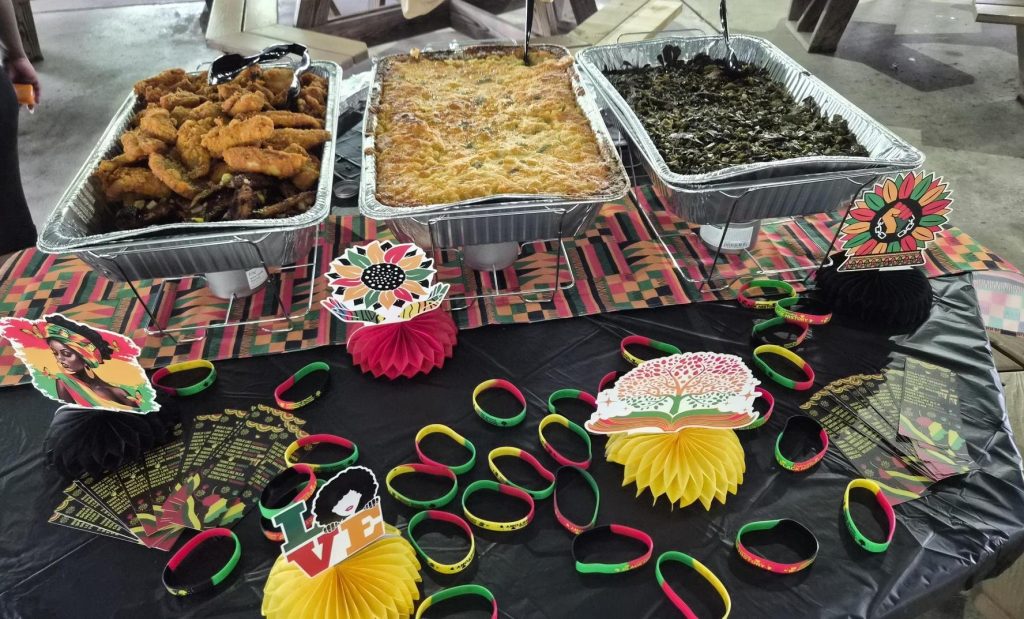
Eight tables introduced attendees to dishes representing a variety of cultures and traditions, including Mexican, Spanish fusion, Chinese, Nepalese, Ethiopian, soul food, Vietnamese and Pennsylvania Dutch desserts.

For Samson, food carries deeply personal meaning. His wife is from Malaysia, and sharing meals has long been an important part of his cross-cultural family.

“Food is a really big part of my life,” he said. “The experience of sharing eight different cuisines with a group of people is an awesome thing. You don’t see other treatment centers in this area doing something like this.”

The GateHouse Third Annual Cultural Event Food
Third Annual Cultural Event

Samson was especially drawn to the Ethiopian table. During his time at Messiah University, he developed close friendships with international students, including students from Ethiopia who introduced him to injera, the fermented flatbread traditionally used to serve and eat a meal.

“Having that food there was a trip down memory lane,” he said. “It brought back memories of my friends and the way they described their homes.”

The other tables inspired similarly enthusiastic reactions. Linda Colon, billing supervisor at The GateHouse, had trouble choosing among the Chinese, soul food, and dessert tables, while Lori Klinedinst, program assistant for The GateHouse, selected the soul food table as her favorite. The Pennsylvania Dutch cheesecake proved especially popular, as did the fried fish served at the soul food table.

Yet the purpose extended beyond determining which dishes drew the longest lines. The event encouraged clients and guests to try unfamiliar foods and use those experiences to begin conversations.

“You get to see clients say, ‘I’ve never had that before,’ and then try it and realize how good it is,” Samson said. “They start talking with one another, and their families come and share in the experience. That expression of culture is important.”


Something for Everyone

Hooley School Irish Dancers The GateHouse
Hooley School of Irish Dance

Although food may have been the main attraction, it was only one part of the afternoon.

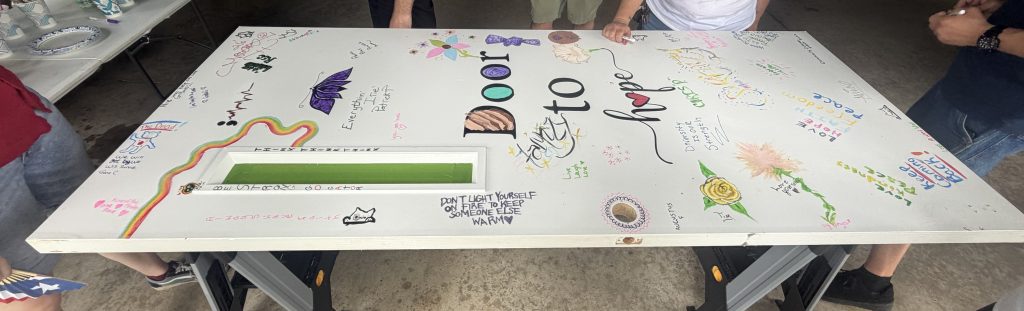
Clients participated in The GateHouse’s annual art competition, with an award recipient representing each inpatient location. Guests also contributed messages of hope to a community door that will be installed at an outpatient facility as a permanent part of The GateHouse.

The project gave participants an opportunity to leave behind words of encouragement for others who may need them during their own recovery journeys.

A performance by the Hooley School of Irish Dance brought the audience together as dancers of different ages demonstrated their skills. Attendees stopped what they were doing and focused on the performance, creating one of the afternoon’s most memorable moments.

Children enjoyed a piñata and face painting, while families, clients, and staff members captured memories at a photo booth. Music and dancing continued throughout the event, although the extreme heat prevented a planned volleyball tournament from getting underway.


Time to Simply Be Together

Staff at The GateHouse's Third Annual Cultural Event
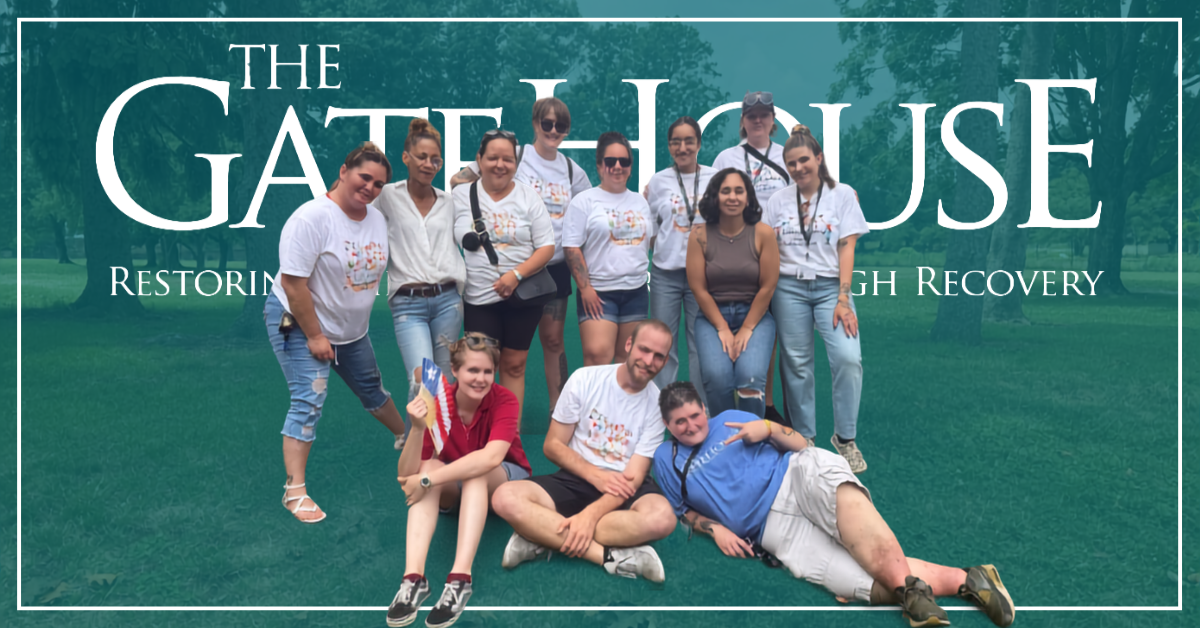
The GateHouse Staff

The event also provided something that can be difficult to find amid the responsibilities of operating a 24-hour treatment organization: time for clients, families, and staff members to enjoy one another’s company without the usual routines of the day.

“We work really hard throughout the year to put this event together,” Linda said. “When the day arrives, it is nonstop from the moment we begin setting up until it’s over. But in the end, seeing everyone dance, laugh, eat, and fellowship makes it all worth it.”

For staff members, that meant an opportunity to talk, laugh, catch up, and simply be present.

“It is one of the few events we have where we can all do that,” Linda said. “We don’t have to think about work. We can just be in the moment.”

Lori, who is relatively new to The GateHouse, experienced the cultural celebration for the first time this year. What stood out most was the way the team worked together to create an environment where everyone felt welcome.

“The GateHouse has such a great team,” she said. “I loved seeing the way everybody came together, communicated, and put on the event. Everyone was so accepting.”


Building on 3 Proven Years of Community Growth

The event’s organizers are already considering how the celebration can continue to grow.

Holding next year’s event on a Saturday could make it easier for working clients, former clients, family members, and community guests to attend. This year, most of the men at one GateHouse location were working full time, limiting how many could participate on a weekday.

Hope Door The GateHouse Third Annual Cultural Event
Community Door Project

Although their absence affected attendance, it also reflected meaningful progress toward independence and successful participation in the community.

A Saturday gathering could create additional opportunities for clients to spend time with their families in a safe and celebratory setting.

“There are not always many opportunities for clients to have that kind of intentional family interaction during treatment,” Samson said. “Events like this allow clients and their families to experience love, support, and companionship while celebrating the work the client is doing.”

After navigating storm damage, uncertainty, and extreme heat, The GateHouse’s third annual cultural event ultimately became a celebration of far more than food. It demonstrated what can happen when people respond to difficult circumstances with flexibility, cooperation, and hope.

“Recovery is never easy,” Samson said. “What matters is continuing to believe you can move forward.”

On July 10, The GateHouse community did exactly that … together.


The GateHouse is here for you, whether you need outpatient support, transitional living, or residential extended care programs. If you’re looking for help now, give us a call at 717-393-3215 or reach out to us today to get started.


Open post Family setting healthy boundaries in addiction recovery at The GateHouse Lancaster PA

Boundaries as an Act of Love: A Guide for Families

Family boundaries in recovery are one of the most powerful things loved ones can do to support lasting change without losing themselves in the process

When someone you love is in recovery, it is natural to want to help in every possible way.

Parents may want to protect their child from another painful consequence. Spouses may want to rebuild trust but feel unsure how much to ask, check, or question. Friends may want to stay available without becoming the only person someone calls in a crisis.

These instincts often come from love, fear, exhaustion, and memories of when life felt unpredictable. When addiction has affected a family or close relationship, it can be difficult to know where support ends and managing begins, but recovery cannot be managed from the outside.

Families and friends cannot control another person’s honesty, choices, emotions, or commitment to change. What they can do is create a healthier environment around the person in recovery. That is where family boundaries in recovery become essential.

Family boundaries in recovery are not punishments.. At their best, they are acts of love. They provide clarity and support recovery by making space for accountability, dignity, and growth.


The Difference Between Helping and Managing

Families often enter recovery carrying habits that were formed during crisis. Maybe you covered missed bills, explained absences, searched for answers, or tried to prevent every possible mistake. In active addiction, these patterns can begin as survival. Over time, though, helping can quietly turn into managing.

Managing may look like constant checking, making excuses, absorbing consequences, or placing your own stability on hold until the other person is doing well. Helping is different. Helping supports the person’s recovery without taking ownership of it, offering encouragement without removing accountability.

A healthy boundary helps answer the question: “What is mine to carry, and what belongs to my loved one?”


Why Boundaries Matter in Recovery

Recovery requires structure. It also requires honesty, responsibility, and the opportunity to rebuild trust over time. Boundaries support that process because they create consistency.

For a person in recovery, unclear expectations can become confusing. Clear boundaries reduce that uncertainty.

  • A parent might say, “I am willing to help you get to treatment or meetings, but I will not give you cash.”
  • A significant other might say, “I want to rebuild trust, and I need honesty about where you are getting support and how you are staying connected to recovery.”
  • A friend might say, “I care about you, but I cannot be your only support person. I will encourage you to call your sponsor, counselor, or recovery community when you are struggling.”

These statements are not cruel. They are clear, and allow love to remain present without allowing old patterns to take over.


4 Proven Steps: A Family Boundaries in Recovery Roadmap

Boundaries are most helpful when they are specific, realistic, and communicated calmly. Families do not need to solve everything at once. Instead, begin with a few practical steps.

  • First, define what support you can offer, such as transportation to appointments, encouragement, participation in treatment conversations, or help finding resources.
  • Next, define what you cannot continue doing. This may include giving money, hiding substance use, tolerating disrespect, ignoring unsafe behavior, or becoming the only person responsible for emotional support.
  • Then, connect the boundary to behavior, not the person’s worth. A boundary should not sound like, “You are the problem.” It should sound more like, “I love you, and I cannot participate in this pattern anymore.”
  • Finally, follow through consistently. A boundary that changes every time guilt, fear, or anger rises can create more confusion.

The goal is not to control the outcome, but to define your own response.


Compassion and Accountability Can Work Together

Some families worry that boundaries will make their loved one feel abandoned, or that setting expectations means they are waiting for something to go wrong, but that is not the purpose.

Healthy boundaries are not about assuming relapse will happen. They are about creating structure that supports recovery no matter where someone is in the process. If relapse or another setback does occur, boundaries can also help families respond with clarity rather than panic.

A loved one might suggest, “I will encourage you to get help, but I will not ignore this, hide it, or pretend nothing happened.”

That kind of response does not remove compassion, it protects honesty.

  • You can love someone and still say no.
  • You can offer encouragement and still refuse to participate in dishonesty.
  • You can celebrate progress while acknowledging that trust needs more time.
  • You can be present without becoming responsible for every next step.

Without boundaries, resentment can build quickly. A parent may feel used, or a spouse may feel emotionally exhausted. A friend may feel like every conversation revolves around crisis. The person in recovery might also feel watched, criticized, or treated like they are still defined by their worst moments.

Boundaries help protect all sides. They allow family members to remain connected without losing themselves, and also help the person in recovery rebuild trust through consistent action rather than repeated promises.


Families Need Support, Too

Recovery affects the whole family. While the person with substance use disorder may be the one entering treatment or rebuilding their life, the people around them are often healing from their own fear, grief, anger, and exhaustion.

Family members may need support to understand what boundaries are appropriate, how to communicate them, and how to stay consistent when guilt or fear shows up. They may also need help recognizing the difference between healthy support and enabling.

This is not a sign of failure, though, it is part of the recovery process. Families deserve spaces where they can ask honest questions, learn new patterns, and remember that their well-being matters.


Love That Leaves Room for Growth

Recovery is about more than just stopping substance use. It is about rebuilding structure, restoring trust, and learning how to live differently with support.

For loved ones, that may mean shifting from crisis response to steady encouragement. It could mean allowing treatment professionals, sponsors, mentors, peers, and recovery communities to play their role. Or it could be stepping back from the urge to rescue so your loved one can practice responsibility in real time.

Boundaries can feel uncomfortable at first, especially for families who have spent years trying to hold everything together. Discomfort does not mean the boundary is wrong, though. Sometimes it means a new pattern is beginning.

Your loved one’s recovery is their responsibility. Your support can matter deeply, but it cannot replace their own willingness, accountability, and daily work.

That is why boundaries are an act of love. They protect the relationship from old cycles. They create space for honesty, and allow family members to remain caring without becoming consumed. They remind the person in recovery that growth is possible, but it must be chosen and practiced.


If your family is navigating recovery and unsure what healthy support should look like, The GateHouse is here to help. 

Through structured recovery support, including outpatient services, transitional living, and residential extended care programs, individuals and families can find guidance, accountability, and a path forward. Contact The GateHouse today to learn more or call 717-393-3215 to get started.


Open post Mary Cahill Recovery Journey Success Story GateHouse Lancaster PA

The Long Road to Purpose: Mary’s Recovery Journey

Mary Cahill remembers the day her recovery journey truly began — the day she stopped trying to outrun herself..

By then, she had spent years cycling through treatment, legal consequences, strained relationships, and relapses. She knew what recovery looked like from the outside. It would be a long time before she understood what it was like on the inside.

“I had been in and out of rehabs for a very long time,” Mary said. “I knew what I needed to do. I just needed to commit.”

Today, more than 10 years into her recovery journey, Mary is a licensed social worker and clinical supervisor helping others through the same fear and uncertainty she once knew. She doesn’t take any of it lightly. It is something she built one honest step at a time.


The GateHouse Mary Cahill childhoodGrowing Up in Chester County

Mary grew up in Thorndale, Pennsylvania, the youngest of five children in an Irish Catholic family.

She earned a partial athletic scholarship to East Stroudsburg University, but after drinking became a regular part of her college life, she lost the scholarship and returned home. She later earned a degree as a physical therapy assistant and took a job in an orthopedic surgeon’s office.

It was a good job, and Mary did it well. But the access it provided to prescription medications would soon change the course of her life.


When Everything Changed

During this time, Mary had four wisdom teeth removed, developed dry sockets, and was prescribed a powerful pain medication.

“I remember thinking, ‘Oh, so this is what that feels like,’” she said. “This is great.”

Her substance use escalated quickly. When the original prescription ended, she wanted more. Because she worked in a medical office, she had access to information that allowed her to call in prescriptions. She began doing so for herself and others, a pattern that continued for years.

When the prescription activity was discovered, Mary’s family urged her to enter treatment. By that point, she was exhausted and not thinking clearly about what was coming.

“I was just tired of doing this,” she said.

Mary entered treatment for the first time in 2005. Two weeks gave her time to detox, but not enough for the work to take root.

When she returned home, her family hoped the worst was behind her. Instead, legal consequences followed, and Mary lost her job. Even then, she did not yet understand how much deeper her substance use would take her.


Years of Consequences

Mary returned to active substance use about a year or so later. At first, it was pills. Then, when pills became too expensive, she discovered heroin.

“That,” she said, “was the beginning of hell.”

Over the next several years, Mary cycled through treatment, legal problems, probation violations, and jail. Her marriage suffered. She and her husband eventually separated. She lost her home and moved back in with her mother after her father passed away. Her substance use continued.

In 2013, after time in jail and another treatment stay, Mary’s probation officer directed her to The GateHouse. She arrived at the women’s house in Mountville unsure of what to expect.

“It was intimidating,” she said. “You’re walking into a house full of women you’ve never met before.”

But the program’s structure soon began to make an impression. The step work, meetings, chores, counseling, job searches, and expectations gave Mary something she had been missing—accountability.

“It pushed you,” she said.

She also found connection. Some of the women she met there remain her friends today, including one of her best friends.

And then there was Janice Potter.


The GateHouse Janice Potter


Janice, who later became a beloved figure at The GateHouse, was working weekends at the time. Mary remembers her as tough, funny, direct, and deeply invested in the women in the program.

“She was a tough cookie,” Mary said. “But she would have conversations with me for hours. She really motivated the women to keep doing the right thing.”

Mary completed three months at The GateHouse, then stepped down into REI, now known as GateHouse Transitional Living. She stayed in Lancaster for more than a year and built meaningful relationships. But she eventually began to drift away from the structure that had helped her.

“I wasn’t in the recovery scene as much,” she said. “After a while, it was difficult to stay connected.”

After celebrating one year in recovery, Mary returned to active substance use. It lasted about three months.

“It was a lot of isolation,” she said. “Just being alone in my room and not talking to anybody. It was awful.”


The Moment That Defined Her Recovery Journey

The GateHouse Mary Cahill Success StoryMary returned to treatment in June 2015, but her final turning point came later that year. In November, she was arrested in Philadelphia. This time, she was sent to a massive prison, not a little county jail. That nine-month stretch was the longest she had ever spent incarcerated.

“It was really scary,” Mary said. “But I really think I needed that extended time to sit with myself and be like, ‘Okay, what are you doing?’”

Mary’s recovery date is November 11, 2015.

When she was released, the first thing she did was go to a meeting. That same night, she found a sponsor, who more than 10 years later, is still her sponsor. Mary stopped hovering around recovery’s periphery and became an active member of it.

“I made a promise to myself that I was going to dive right in,” she said. “And that’s what I did.”


Rebuilding From the Ground Up

The GateHouse Mary Cahill graduationThe road back required humility. Mary didn’t have a driver’s license, so she took a job at a dog daycare, making about $9 an hour. She relied on other people for rides.

As tough as it was, she had accountability again.

About a year and a half into recovery, Mary returned to a treatment center in Lancaster where she had once been a client and shared her story. That visit led to part-time work, then full-time work, then intake. She took a train back and forth between Exton and Lancaster every day.

She also returned to school, earning her bachelor’s degree in social work, then her master’s degree. In 2024, she became a licensed social worker.

She now works at Provive Wellness, where she began as an admissions therapist and later stepped into a clinical supervisor role. She has a career, but more importantly, she has purpose.

“I wanted to give back what was given to me,” she said. “I wanted to be that therapist for someone else.”


Building a Life on Trust

The GateHouse Mary Cahill recovery journeyToday, Mary lives in Chester County with her longtime boyfriend, who is also in recovery. Her life is grounded, full, and connected to the work of helping others.


When Mary thinks about what she would say to someone entering The GateHouse or beginning the recovery process, her advice is simple: “Be open.”

“We don’t have a lot of trust when we’re coming out of active substance use,” she said. “But if you put even an ounce of trust into someone else, you never know where it’s going to take you.”

Mary knows trust does not always come easily. She also knows what can happen when structure, accountability, and community help carry someone until they are strong enough to stand.

Just as the recovery community helped carry her, she now works to help carry others.


The GateHouse is here for you, whether you need outpatient support, transitional living, or residential extended care programs. If you’re looking for help now, give us a call at 717-393-3215 or reach out to us today to get started.


Open post GateHouse Lititz 90-Day Addiction Recovery Program Lancaster County PA

The GateHouse Is a Portal Between Addiction, Recovery

GateHouse Lititz stands as a proven portal for addiction recovery — offering a 90-day residential program that transforms the lives of 150 men every year across Lancaster County, Pennsylvania

This feature on The GateHouse Lititz was included in a recent edition of the Warwick Merchandiser!


The GateHouse Lititz judges lightly. And when it does, the GateHouse Lititz judges people on who they are, not what they do or have done.

The GateHouse Lititz doesn’t give up on people; it doesn’t throw away souls.

“There is hope. We provide hope,” said Anthony Valentin, who’s been the program director at The GateHouse Lititz for four years. “There are people out there who are willing to fight this battle and help. We want individuals to know it’s possible. We’re willing to walk alongside you. This is not meant to be done alone. It comes down to one person helping another.”

The GateHouse Lititz gives people second chances.The GateHouse Lititz, which is located at 649 E. Main St., Lititz, is an accredited residential recovery facility – a type of halfway house – which is licensed by the Pennsylvania Department of Drug and Alcohol Programs. The local nonprofit takes a holistic approach to addiction and recovery.

“Our mission is to help individuals transform their lives that have been centered around drug and alcohol addiction,” said Valentin. “We encourage them to be part of the community. We encourage them to volunteer. We want to show them it’s about community and what it’s like to give back.”

A 90-Day Addiction Recovery Program Built for Lasting Change.The GateHouse Lititz’s live-in 90-day recovery program includes one-on-one therapy sessions, group therapy, employment support services, life-skills training, accountability, chores, routine development, mental health awareness and mentorship programs. Some clients complete the recovery program, while others don’t, but everyone benefits in one way or another.

“It’s teaching them to live life on life’s terms,” said Valentin, a resident of East Lampeter Township. “Some of our individuals come to us defeated. But we tell them (addiction) doesn’t have to define you; it doesn’t have to affect your future. Sometimes individuals have blinders on and they can’t see the bigger picture. That’s when we step in. We also get them set up with (Pennsylvania) CareerLink.”

Serving 150 Men Through Proven Addiction Recovery Each Year.The GateHouse Lititz serves about 150 men each year. Currently, the residential recovery house is hosting 25 individuals, 19 of whom are employed throughout Lancaster County.

The GateHouse Lititz’s residential extended care is designed for males between the ages of 18 and 60. All of the individuals are from Pennsylvania – a handful from Lancaster County and from as far away as Philadelphia, Pittsburgh and Erie.

“These individuals have struggled with addiction in their lives,” said Valentin. “Some have had traumatic experiences. Some are trying to put their pasts behind them. Some are looking for encouragement. I look at individuals like if they were my child, are they being guided the way I’d like my child to be guided? They’re human beings.”

“Everyone has a story; everyone has a past,” continued Valentin. “There’s a lot more to them than what we’re seeing on the outside. The question is: ‘Why are they struggling? What is holding them back?’ I have met some really good people who have struggled with addictions.”

The GateHouse Lititz employs 15 staff members, 12 of whom work full time. The GateHouse is funded primarily through Medicaid, but it does participate in fundraising and grant programs.

“An individual has got to want it,” said Valentin. “We will engage them in different modulates of recovery. Hopefully, they will put their best foot forward. But at the end of the day, they’ve got to do it. You can’t do it for them. Kind of like, ‘You can live a better way of life and here are some examples.’ We hope they choose a productive way of life. All we can do is provide the information and know-how.”

“When you’re in addiction, it becomes natural, it becomes normal,” he added. “It’s a choice, and that’s what makes it hard. Relapse is part of addiction. You’re fighting a battle. We try to look for the good in people.”

50 Years of Addiction Recovery in Lancaster County.Established in Lititz in 1972, the GateHouse now also offers similar long-term residential recovery programs for men in Mountville and for women in Marietta. The GateHouse also operates eight transitional houses throughout Lancaster County and offers outpatient services in the city.

“Data shows that the longer individuals are involved with treatment, the better chance they have of recovery,” said Valentin. “We want to establish a foundation for recovery. As they’re hitting these benchmarks, the insurance company will say they’re no longer at great risk, so they can step into outpatient services. Some individuals may not be from this community, but they want to stay here for employment.”


The GateHouse is here for you, whether you need outpatient support, transitional living, or residential extended care programs. If you’re looking for help now, give us a call at 717-393-3215 or reach out to us today to get started.


Open post Invisible Recovery — Why You Don't Have to Hit Bottom to Ask for Help at GateHouse Lancaster PA

The “Invisible” Recovery: Why You Don’t Have to Hit Bottom to Ask for Help

Not every recovery story begins with a visible crisis, and not every struggle with alcohol is easy to recognize, especially when life still appears stable from the outside.

A person may be keeping up with work, meeting responsibilities, and maintaining relationships, which can make it easier to dismiss the possibility that anything is wrong. If there has been no major public consequence, many people assume there is no serious problem.

Every April, we observe Alcohol Awareness Month as a useful opportunity to challenge that thinking. Recovery does not have to begin with a crisis, and a person does not need to lose everything before deciding something needs to change.

Long before life becomes visibly unmanageable, alcohol can begin affecting a person’s health, relationships, peace of mind, and ability to grow. When that happens, seeking help is a thoughtful decision to protect what matters most and move toward a better quality of life.


Challenging the “Rock Bottom” Myth

The idea of “rock bottom” has shaped the way many people think about recovery, but it often does more harm than good. It suggests that help is only necessary after someone has experienced severe consequences, and it encourages people to judge their own situation against the most dramatic examples they have seen or heard about. As long as they still have a job, a home, or a functioning daily routine, they may tell themselves that things are not bad enough to warrant support.

That mindset can keep people stuck for far too long by focusing only on visible breakdown instead of honest self-assessment. For some people, the losses are quieter: increased irritability, less emotional presence with family, or a growing dependence on alcohol to unwind, sleep, or manage stress. Those patterns may not seem dramatic, but over time they can narrow a person’s life in meaningful ways.

Instead of asking themselves whether they’ve hit rock bottom, the better question is whether alcohol is interfering with the life they want to live. If the answer is yes, even in subtle ways, that is the defining distinction.


When Alcohol Quietly Gets in the Way

This issue is often overlooked because the signs can be easy to dismiss. This is especially true in professional environments where people are used to managing pressure privately and maintaining successful appearances.

A person may still be accomplishing what needs to be done, yet feel as though life has become more draining, more restricted, or more difficult to manage than it should be. They may rely on alcohol as their main form of stress relief or notice they are less patient, focused, or engaged than they once were. Because they are still functioning in visible ways, they may assume they should be able to handle it on their own.

The term “high functioning” can be misleading because it tends to confuse outward performance with actual well-being. In many cases, it simply means someone has become skilled at compensating while alcohol continues to affect motivation, relationships, patience, or stress management.

A person does not need to fit a dramatic stereotype to benefit from support. They simply need to recognize that alcohol is affecting their life in ways that are no longer acceptable to them.


The Role of Structure in Recovery and Long-Term Change

When people start to see that alcohol has become a problem, they often try to manage it privately through self-discipline. But lasting change is difficult without support.

This is where structure becomes so valuable. A structured recovery environment provides consistency, accountability, and a framework for healthier living. It helps reduce the constant internal negotiation that often keeps people stuck, replacing it with routines and support systems that make change more sustainable. Instead of relying on moment-to-moment self-control, a person begins building habits that support better decisions and greater stability over time.

For someone whose life already appears orderly from the outside, this kind of structure can still be transformative. In fact, it may be even more important because the issue is not learning how to appear responsible. The issue is learning how to live with greater honesty, steadiness, and freedom. Recovery structure can help people reconnect with those things by giving them a reliable foundation that supports real growth rather than surface-level management.

That foundation often includes community, peer accountability, mentorship, meetings, and routines that promote consistency. Over time, those support systems can help a person become more dependable not only in work and responsibilities, but also in the way they care for themselves and relate to others.


Choosing Help as a Forward-Looking Decision

One of the most important shifts in how we talk about recovery is moving away from the idea that asking for help means admitting defeat. For many people, the opposite is true. Seeking help can be a sign of maturity, self-awareness, and a willingness to make a meaningful change before circumstances make the decision for them.

That is especially true for people whose struggles have remained mostly hidden. It takes honesty to acknowledge that something is wrong even when there has been no obvious collapse, and real strength to admit that a carefully managed pattern is no longer leading to the kind of life they want.

Framed that way, recovery is less about avoiding consequences and more about choosing a different future. It is about wanting more clarity, more peace, more consistency, and more room to grow than alcohol will allow. Wanting those kinds of outcomes is a sign that a person is ready to live differently.


A Better Life Does Not Need to Start with a Crisis

Alcohol Awareness Month is a reminder that recovery should not be reserved for moments of collapse. Some people do reach a visible crisis point before seeking help, but many others live for years in a quieter kind of struggle, one where life remains outwardly functional while becoming increasingly restricted underneath. Those individuals deserve support too, and they do not need to wait for things to get worse before taking their concerns seriously.

If alcohol is affecting a person’s well-being, relationships, work, or sense of direction, that is enough reason to step back and ask whether change is needed. Recovery is not only for people in obvious crisis. It is also for people who want a healthier, steadier, and more meaningful life.


If alcohol is affecting your quality of life, you do not need to wait for things to get worse before reaching out. The GateHouse offers structured recovery support by way of outpatient services, residential extended care, and GateHouse transitional living. Each service is designed to help individuals build stability, community, and a meaningful path forward. Contact us today to learn more.


Open post Recovery and Gambling Risk During March Madness — GateHouse Lancaster PA

Don’t Let Bracket “Madness” Gamble with Your Recovery

For those in recovery from substance use disorder, focus is often placed on the most visible battles. We talk about the physical pull of substances, the restructuring of daily routines, and the vital necessity of community.

But there is a quieter, often more socially acceptable challenge that can become a significant secondary manifestation of dependence: gambling.

As we approach “Selection Sunday” this weekend, the sporting atmosphere across the country is shifting. Sunday’s event marks the official start of the NCAA March Madness Tournament, a four-week college basketball competition synonymous with excitement, competition, and community traditions.

For those in recovery, however, it also marks the beginning of a high-pressure window where gambling can quickly become a silent impediment to long-term stability; one that can morph into a brand-new version of the same old struggle.


When One Disorder Leads to Another

It is a common misconception that gambling is merely a “bad habit” or a lack of willpower.

Gambling disorder is a clinically recognized diagnosis. Just as an individual can have a substance use disorder, they can also develop a gambling disorder, which is described as a persistent and recurrent maladaptive behavior that disrupts personal, family, or vocational pursuits.

Because it doesn’t carry the same immediate physical symptoms as narcotics, it can be easy to overlook. Yet the same neurobiological pathways that respond to substances are often triggered by the “high” of a win or the adrenaline of a bet.


The $3 Billion Spectacle

The scale of modern sports betting is difficult to overstate. During the NCAA tournament, the atmosphere is electric, but for someone in recovery, it can also be predatory. Last year, the American Gaming Association (AGA) estimated that Americans would legally wager upwards of $3.1 billion on the tournament, up from $2.7 billion the year before. That represents a small percentage of the overall gambling picture, however. In 2023, the AGA estimated legal and illegal wagers on the tournament to exceed $15 billion.

This represents a massive cultural normalization of high-stakes risk.

As the tournament moves toward the Sweet 16 next week, the intensity shifts. The casual office brackets are often already busted, and the betting market narrows its focus to these final high-profile, high-tension games. For an individual in recovery who might be inclined to gamble, the next several weeks are a concentrated period where triggers are amplified across every screen and social conversation.


The Illusion of a “Safe” Outlet

In or out of recovery, gambling can begin as a seemingly harmless way to engage with friends or family. Whether it is a sports parlay, a trip to a casino, or a few scratch-off tickets, these activities are deeply woven into the fabric of social life.

The danger lies in the addictive behavior itself. Because gambling does not carry the same immediate physical stigma as narcotics, it can quickly become a “silent, secret” struggle that mirrors the consequences of the original disorder.


From the Sidelines to the Cycle

The progression can be subtle. It might start with a $5 bracket, an activity that is not only legal but aggressively marketed during every commercial break. It can quickly escalate, however, because it’s a manifestation of the same “all-or-nothing” thinking that drives substance use disorder, and it can easily latch onto to a new thrill like gambling.

The pattern is often familiar:

  • The Social Phase: Engaging in sports betting because it feels like a way to belong or stay connected to “normal” social rhythms.
  • The Covert Phase: Moving toward more isolated gambling, such as using mobile apps or visiting casinos alone.
  • The Consequence Phase: Experiencing the same loss of control, financial strain, and emotional isolation that characterizes a struggle with substances.


Protecting Your Recovery: Accountability in a High-Stakes Season

The proliferation of gambling opportunities during “tournament season” means the triggers are everywhere. They’re on our phones, in our social circles, and even at the grocery store. Sustaining recovery during these high-pressure moments requires the same tools used in the early days of the journey:

  • Honesty and Transparency: Being truthful with mentors and support networks about the urge to gamble is a vital form of accountability.
  • Recognizing the “Cross-Addiction”: Understanding that a “win” on a bet can be just as disruptive to a recovering brain as a relapse into substance use.
  • Purposeful Connection: Choosing to spend time with those who encourage healthy boundaries rather than those who normalize high-risk behaviors.


Finding a Different Path

At The GateHouse, we believe that recovery is about restoring the human spirit in its entirety. That means looking at all behaviors that threaten an individual’s stability and peace of mind. While gambling may be legal and widely accepted, for many in our community, it is a path that leads back to the very darkness they worked so hard to leave behind.

If you find that the “harmless” bet is becoming an all-consuming thought, remember that you don’t have to navigate it alone.


The GateHouse is here for you, whether you need outpatient support, transitional living, or residential extended care programs. If you’re looking for help now, give us a call at 717-393-3215 or reach out to us today to get started.


Scroll to top