
Open post The GateHouse and ExtraGive 2026

How the People Who Connect Us Change Lives Beyond Recovery

A young woman once told Mariah Milani that she’d always wanted children of her own. But there was something holding her back.

Her mother had struggled with substance use disorder for years, and the young woman worried about exposing her future children to the same instability she’d experienced.

The GateHouse Mariah Milani
Mariah Milani

Mariah, an Intake Supervisor at The GateHouse, learned about the family’s circumstances during a chance encounter outside of work. The woman’s mother had participated in The GateHouse’s recovery programs twice and had been in recovery for approximately two years.

That progress changed the daughter’s outlook. She was beginning to feel comfortable pursuing the family she’d always wanted.

“It just seems like her life had changed for the better in those last two years,” Mariah recalled. “She wanted to have kids again.”

Stories like this demonstrate how recovery can change lives far beyond the individual experiencing substance use disorder. Families regain hope, relationships have opportunities to heal, and futures that once seemed uncertain begin to look possible again.

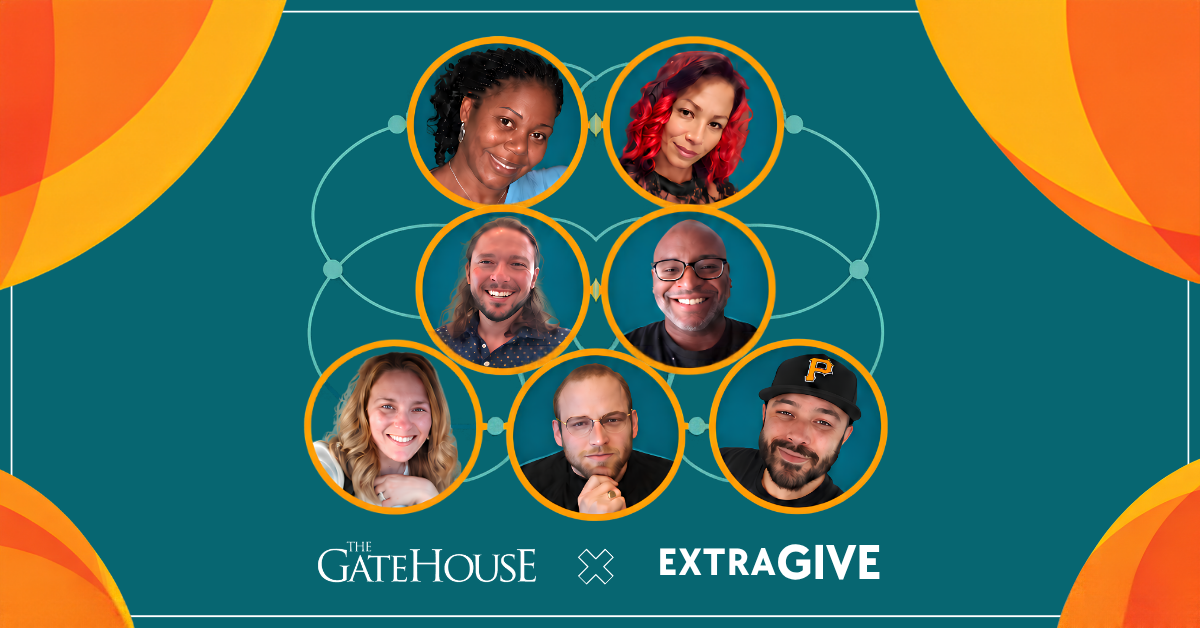
The people and resources behind these changes are at the heart of The GateHouse’s 2026 Extraordinary Give campaign, The People Who Connect Us.


Rebuilding Relationships, One Step at a Time

For families affected by substance use disorder, rebuilding trust can be among the most difficult parts of recovery.

Years of uncertainty, broken promises, or strained relationships can leave loved ones cautious, even when someone begins making meaningful progress. Trust returns gradually through everyday actions:

  • Showing up
  • Following through on commitments
  • Being honest
  • Respecting boundaries

The young woman Mariah encountered had witnessed enough positive changes in her mother’s life to reconsider decisions about her own future. But maintaining that progress also requires stability.


Creating the Stability That Supports Recovery

Rebuilding relationships becomes considerably more difficult when someone is struggling to meet basic needs.

A person worried about housing, transportation, or food faces additional pressures while trying to maintain healthy routines and repair important relationships.

At The GateHouse, our residential extended care, transitional living, and other recovery services help individuals develop the skills and independence needed to navigate everyday responsibilities.

Jodi O'Reilly
Jodi O’Reilly

Community contributions help address needs that might otherwise become barriers to progress.

“People like to see where their money’s going,” Mariah said recently during a discussion about the ExtraGive. “Just reading it on a screen is a little different than actually seeing it.”

For Executive Director Jodi O’Reilly, that impact is visible in the practical assistance The GateHouse provides to people working toward independent living.

“Sometimes it means helping clients furnish their first apartment or providing rent scholarships as they transition to independent living,” Jodi said. “These are practical ways we can help people establish a stable foundation for the next chapter of their lives.”


The People Who Stand Beside Those in Recovery

Practical assistance is one part of recovery. Equally important are the people who provide encouragement, understanding, and accountability.

Marisol Reed
Marisol Reed

For Marisol Reed, a Recovery Specialist at The GateHouse’s Mountville location, empathy is essential.

“Everyone comes from a different walk of life,” she said, emphasizing the importance of understanding what others have experienced and the challenges they may still face.

The GateHouse Meagan Halbleib
Meagan Halbleib

That perspective helps staff provide individualized support, whether someone is reconnecting with loved ones, establishing healthy routines, or learning to manage responsibilities independently.

Recovery Support Specialist Meagan Halbleib brings her own recovery experience to that work.

“Working at The Gatehouse allows me to use my lived experience in recovery to help others be successful in their recovery,” Meagan said.

Meagan’s experience illustrates how recovery support can come full circle. People who once relied on encouragement and guidance may eventually provide that same support to others. Together, these relationships create a community where individuals can develop confidence, strengthen connections, and continue moving forward.


Your ExtraGive Contributions at Work

For someone contributing to The GateHouse during the ExtraGive, the connection between a donation and a person’s recovery may not always be immediately apparent.

Yet the impact can extend well beyond the initial assistance.

  • A rent scholarship can provide breathing room while someone establishes financial stability.
  • Reliable transportation can help someone maintain employment.
  • A recovery-focused activity can introduce someone to new friendships and a supportive community.

Each represents an opportunity to make progress, strengthen relationships, and build confidence in the future.

Last year, supporters helped The GateHouse raise more than $17,000 during the ExtraGive. This year, generosity like that can continue helping individuals overcome everyday challenges while working toward lasting recovery.

The benefits extend beyond the person receiving assistance. As Mariah’s story illustrates, progress in one person’s recovery can create opportunities for an entire family.


Become Part of the Connection This ExtraGive

This year, we’re inviting Lancaster County to help The GateHouse continue providing the people, programs, and resources that support recovery.

For the young woman Mariah met, her mother’s progress in recovery helped restore something deeply personal: confidence in the possibility of building a family of her own.

That’s the potential of recovery. As individuals rebuild their lives, the people around them can discover new hope for their own futures.

This ExtraGive, you can become one of The People Who Connect Us.

Join your neighbors, local businesses, community supporters, and The GateHouse alumni in helping individuals and families build stronger, healthier, and more fulfilling lives.


Support The GateHouse during the 2026 Extraordinary Give and help make those connections possible.


 

Open post Stability, Purpose, and Connection in Long-Term Recovery

Stability, Purpose, and Connection in Long-Term Recovery

Recovery Is More Than Avoiding Relapse

For someone recovering from substance use disorder, going another day without drugs or alcohol can be an important accomplishment. But it’s how you spend that new day that makes all the difference.

  • Did you go to work?
  • Spend time with family?
  • Attend a recovery meeting?
  • Make progress toward a personal goal?
  • When something went wrong, were you able to manage the situation without returning to substance use?

Avoiding relapse is an important part of the process, but long-term recovery involves more than not using substances. It also means addressing the circumstances, behaviors, relationships, and challenges that influence a person’s ability to live a healthy, fulfilling life.


The Difference Between Abstinence and Recovery

Abstinence generally refers to refraining from using alcohol or other substances. For people recovering from substance use disorder, it is a central goal and an essential part of maintaining their health.

Recovery is much broader.

According to the Substance Abuse and Mental Health Services Administration (SAMHSA), recovery is a process through which individuals improve their health and wellness, lead self-directed lives, and strive to reach their full potential.

There are four major dimensions of recovery:

  • Health: Managing substance use disorder while making choices that support physical, mental, and emotional well-being.
  • Home: Having a stable, safe place to live.
  • Purpose: Finding meaning through employment, education, family responsibilities, volunteering, or other activities.
  • Community: Developing relationships that provide friendship, encouragement, accountability, and support.

Someone may remain abstinent, yet still struggle with unstable housing, unemployment, isolation, or mental health challenges. Addressing those problems is part of recovery, too.

Likewise, someone may experience setbacks while making meaningful progress in other areas of life. Recovery is not always a straight line, and a brief return to substance use doesn’t necessarily erase the progress someone has made.


The Everyday Work of Recovery

Substance use disorder can disrupt nearly every aspect of a person’s life, from employment and finances to relationships and healthy routines. Stopping substance use doesn’t automatically resolve those problems.

Someone leaving treatment may need to find a job, arrange transportation, manage household expenses, and rebuild relationships. At the same time, they’re learning to handle everyday stress without returning to substance use.

At The GateHouse, residential extended care and transitional living programs help individuals develop the practical skills and habits needed for independent living.

  • Getting to work on time helps establish consistency and accountability.
  • Managing a budget builds financial independence.
  • Participating in household responsibilities reinforces cooperation and reliability.


Rebuilding Trust and Finding Connection

For some individuals, years of substance use have damaged relationships with friends, spouses, children, or other family members. Rebuilding trust takes time, and reconciliation is not always possible or appropriate.

It often begins with changes in behavior rather than promises:

  • Showing up when expected
  • Following through on commitments
  • Respecting boundaries
  • Communicating honestly

Steps like these gradually demonstrate personal growth. At the same time, individuals in recovery may need to reassess relationships and social environments that no longer support their well-being.

Peer support groups, sponsors, mentors, counselors, and others with lived recovery experience can provide accountability, guidance, and opportunities to build healthy relationships. They can also help individuals recognize unhealthy patterns and develop better ways of responding to stress.

They provide opportunities to develop friendships, practice healthy communication, and experience the sense of belonging that makes life more fulfilling.

Over time, people who once depended on that support may find themselves providing it to someone else.


Finding Purpose Beyond Substance Use

Employment can provide income, routine, responsibility, and opportunities to contribute. But purpose isn’t limited to a paycheck. It can also come from pursuing an education, reconnecting with family, volunteering, or helping others in recovery.

Someone who previously structured their day around obtaining or using substances may need to develop new routines, interests, and relationships.

At The GateHouse, helping individuals discover those interests and develop greater independence is part of preparing them for life beyond structured care.


Recognizing Growth Along the Way

Milestones marking time without substance use are worth celebrating, but they aren’t the only way to measure progress.

Someone who once struggled with conflict may learn to have difficult conversations without becoming overwhelmed. A person who had trouble maintaining employment may begin showing up consistently. A parent may gradually rebuild trust with a child.

These are meaningful signs of recovery, even when they’re difficult to quantify. And because life’s challenges don’t disappear after treatment, neither does the need for ongoing recovery support.


The People Who Help Make Recovery Possible

Recovery depends on more than individual determination. Counselors, sponsors, family members, employers, and community supporters all play important roles, whether they’re providing guidance, helping someone find employment, or assisting with basic needs.

These connections are central to The GateHouse’s work and the inspiration behind our 2026 Extraordinary Give theme, The People Who Connect Us.

Your contribution during this year’s ExtraGive helps sustain the programs and services that support individuals as they rebuild their lives, develop independence, and strengthen their connections to the community.


If you or someone you care about is ready to begin a recovery journey, contact The GateHouse to learn about available programs and support. Those who want to strengthen recovery in Lancaster County can follow The GateHouse as we prepare to share more about this year’s ExtraGive campaign.


Open post Building an addiction recovery support network at The GateHouse in Lancaster, PA

Building an Addiction Recovery Support Network Through Connection

Recovery stories tend to focus, understandably, on the person doing the work: the decisions they make, the obstacles they overcome, and the life they begin to rebuild. But look closely at almost any recovery journey, and you will usually find other people woven throughout it.

Someone helps make the first connection to care. A counselor helps make sense of difficult patterns. A case manager connects someone with resources. Family members, employers, sponsors, friends, and others may eventually become part of that addiction recovery support network, too.

Recovery will always remain deeply personal, but it will never happen in isolation.At The GateHouse in Lancaster, PA, building an addiction recovery support network is central to how people move from needing help to building a life


That First Connection


Seeking help can be difficult. You may know life needs to change without knowing where to start or what kind of care you need. A friend or family member may nudge you to the doorstep, while recovery professionals can help you understand what comes next and begin moving forward.

At The GateHouse, that philosophy of walking beside our clients is reflected in BESIDE our values:

Be Impactful
Empowerment
Stewardship
Integrity
Diversity
Empathy

The GateHouse Mariah Milani
Mariah Milani

BESIDE values help guide how our team members approach their work and connect with clients.

For example, intake professionals are often the first voices and faces you’ll see. They help individuals and families understand their options and begin moving toward appropriate care.

Intake Supervisor Mariah Milani describes that work in terms of restoring agency. Mariah says “Empowerment” is The GateHouse value that resonates most with her, because when people have the resources and tools to advocate for themselves, “it gives them back the power to be the hero in their own story.”

That first connection opens the door to many more.


Daily Support Helps Create Stability


The GateHouse Dwayne Brown
Dwayne Brown

Once you enter a recovery program, connection becomes part of everyday life.

Residential staff and recovery specialists are there for the ordinary moments that can become difficult in early recovery:

  • Coming home from work after a hard day
  • Following through on responsibilities
  • Learning to live within a healthy routine
The GateHouse Sarah Keihl
Sarah Keihl

Dwayne Brown, a Residential Support Staff member at The GateHouse, says “Integrity” is the BESIDE value that’s most important to him. He describes one of his favorite parts of the job as meeting new clients, checking in with residents, and “watching the transformation.”

Recovery Specialist Sarah Keihl identifies “Empathy” as her most important value and points directly to “the connections I form with every client.” Drawing from her own experience, Sarah tries to help people see that long-term recovery is possible.

Those daily interactions create accountability, encouragement, and the experience of having dependable people around.


Counselors Bring Professional Guidance


The GateHouse Jamie Howdyshell
Jamie Howdyshell

Counselors and other clinical professionals can help you recognize patterns, develop coping strategies, set goals, and build skills that support long-term recovery.

But effective counseling is still rooted in connection.

Clinical Supervisor Jamie Howdyshell recognizes that the right recovery support can look different from person to person. For her, empathy involves trying to understand each client and “meet them where they are in order to provide the best possible care.”

Professional expertise, peer understanding, personal accountability, and emotional support each serve a different purpose within a recovery network.


Case Managers Connect Recovery to Everyday Life


The GateHouse Lindsey Blevins
Lindsey Blevins

Recovery eventually has to work in everyday life.

Case Manager Lindsey Blevins describes her role at The GateHouse as helping clients transition toward stability by introducing them “to resources they may not be able to access on their own.”

During the rebuilding process, you may need to navigate employment, transportation, housing, healthcare, education, or other practical needs. Case managers like Lindsey and other support professionals can help you identify and navigate those resources.


Every Role Can Help Strengthen the Network


Some of the people supporting your recovery may never sit in a counseling session or work directly with you every day. Yet, their work often makes your care possible.

The GateHouse Shayleen Concepcion
Shayleen Concepcion

Billing Specialist Shayleen Concepcion knows that firsthand. A person in recovery herself, she describes working at The GateHouse as being part of “a mission that saved my life.”

“Even in billing,” she said, “I know every claim processed represents a real person getting the same chance at a new beginning that I had.”

Administrators, billing teams, supervisors, support staff, and others help create the systems that allow care to happen. Their roles may be different, but they support the same mission: helping you through every aspect of your recovery.


The Recovery Network Extends Beyond The GateHouse


Professional support is only one part of a healthy recovery network.

Peers can offer understanding rooted in shared experience. Sponsors and mentors provide accountability and perspective. Family members and friends may help rebuild trust and offer encouragement. Employers provide stability, responsibility, and purpose. Faith communities, volunteer organizations, neighbors, and others create opportunities for belonging.

Not everyone needs the same network, and those relationships can change over time. What matters is having people who support the life you’re trying to build.


Building Your Addiction Recovery Support Network Takes Time


Few people enter recovery with every healthy relationship they need already in place.

A support network develops gradually through honesty, shared experiences, and trust. It might begin with a counselor, a case manager, or one supportive family member and expand from there.

The GateHouse Meagan Halbleib
Meagan Halbleib

Start with the relationships already available to you, then look for the gaps. You may have strong family support but need peers who understand recovery, or a sponsor and counselor but need help rebuilding work and community connections.

It’s possible, perhaps even likely, that as you continue your own recovery journey, you may eventually become part of someone else’s.

Recovery Specialist Meagan Halbleib says working at The GateHouse has given purpose to her own life by allowing her to use her own recovery experience “to help others be successful in their recovery.”

The progression from receiving support to becoming a source of support is one of the ways recovery communities continue to grow.


The Recovery Journey Isn’t Taken Alone


Personal commitment remains essential. No counselor, family member, sponsor, or friend can do the recovery work for you. But these people can help make your work possible.

One person may help you get started. Another provides stability. Another offers professional guidance. Someone else connects you with a resource or opportunity. Over time, peers, family, employers, friends, and the larger community may join your network.

At The GateHouse, helping people create and strengthen those connections is part of helping them build meaningful lives in recovery.

Recovery will always belong to you, but a strong support network gives you people to turn to as you build the life you want to sustain.


The GateHouse is Central Pennsylvania’s leader in accredited recovery care, recognizing the unique challenges individuals face on their journey to recovery. Reach out to us today to learn more about our programs and the support available to help build a meaningful life in recovery.


Open post Family setting healthy boundaries in addiction recovery at The GateHouse Lancaster PA

Boundaries as an Act of Love: A Guide for Families

Family boundaries in recovery are one of the most powerful things loved ones can do to support lasting change without losing themselves in the process

When someone you love is in recovery, it is natural to want to help in every possible way.

Parents may want to protect their child from another painful consequence. Spouses may want to rebuild trust but feel unsure how much to ask, check, or question. Friends may want to stay available without becoming the only person someone calls in a crisis.

These instincts often come from love, fear, exhaustion, and memories of when life felt unpredictable. When addiction has affected a family or close relationship, it can be difficult to know where support ends and managing begins, but recovery cannot be managed from the outside.

Families and friends cannot control another person’s honesty, choices, emotions, or commitment to change. What they can do is create a healthier environment around the person in recovery. That is where family boundaries in recovery become essential.

Family boundaries in recovery are not punishments.. At their best, they are acts of love. They provide clarity and support recovery by making space for accountability, dignity, and growth.


The Difference Between Helping and Managing

Families often enter recovery carrying habits that were formed during crisis. Maybe you covered missed bills, explained absences, searched for answers, or tried to prevent every possible mistake. In active addiction, these patterns can begin as survival. Over time, though, helping can quietly turn into managing.

Managing may look like constant checking, making excuses, absorbing consequences, or placing your own stability on hold until the other person is doing well. Helping is different. Helping supports the person’s recovery without taking ownership of it, offering encouragement without removing accountability.

A healthy boundary helps answer the question: “What is mine to carry, and what belongs to my loved one?”


Why Boundaries Matter in Recovery

Recovery requires structure. It also requires honesty, responsibility, and the opportunity to rebuild trust over time. Boundaries support that process because they create consistency.

For a person in recovery, unclear expectations can become confusing. Clear boundaries reduce that uncertainty.

  • A parent might say, “I am willing to help you get to treatment or meetings, but I will not give you cash.”
  • A significant other might say, “I want to rebuild trust, and I need honesty about where you are getting support and how you are staying connected to recovery.”
  • A friend might say, “I care about you, but I cannot be your only support person. I will encourage you to call your sponsor, counselor, or recovery community when you are struggling.”

These statements are not cruel. They are clear, and allow love to remain present without allowing old patterns to take over.


4 Proven Steps: A Family Boundaries in Recovery Roadmap

Boundaries are most helpful when they are specific, realistic, and communicated calmly. Families do not need to solve everything at once. Instead, begin with a few practical steps.

  • First, define what support you can offer, such as transportation to appointments, encouragement, participation in treatment conversations, or help finding resources.
  • Next, define what you cannot continue doing. This may include giving money, hiding substance use, tolerating disrespect, ignoring unsafe behavior, or becoming the only person responsible for emotional support.
  • Then, connect the boundary to behavior, not the person’s worth. A boundary should not sound like, “You are the problem.” It should sound more like, “I love you, and I cannot participate in this pattern anymore.”
  • Finally, follow through consistently. A boundary that changes every time guilt, fear, or anger rises can create more confusion.

The goal is not to control the outcome, but to define your own response.


Compassion and Accountability Can Work Together

Some families worry that boundaries will make their loved one feel abandoned, or that setting expectations means they are waiting for something to go wrong, but that is not the purpose.

Healthy boundaries are not about assuming relapse will happen. They are about creating structure that supports recovery no matter where someone is in the process. If relapse or another setback does occur, boundaries can also help families respond with clarity rather than panic.

A loved one might suggest, “I will encourage you to get help, but I will not ignore this, hide it, or pretend nothing happened.”

That kind of response does not remove compassion, it protects honesty.

  • You can love someone and still say no.
  • You can offer encouragement and still refuse to participate in dishonesty.
  • You can celebrate progress while acknowledging that trust needs more time.
  • You can be present without becoming responsible for every next step.

Without boundaries, resentment can build quickly. A parent may feel used, or a spouse may feel emotionally exhausted. A friend may feel like every conversation revolves around crisis. The person in recovery might also feel watched, criticized, or treated like they are still defined by their worst moments.

Boundaries help protect all sides. They allow family members to remain connected without losing themselves, and also help the person in recovery rebuild trust through consistent action rather than repeated promises.


Families Need Support, Too

Recovery affects the whole family. While the person with substance use disorder may be the one entering treatment or rebuilding their life, the people around them are often healing from their own fear, grief, anger, and exhaustion.

Family members may need support to understand what boundaries are appropriate, how to communicate them, and how to stay consistent when guilt or fear shows up. They may also need help recognizing the difference between healthy support and enabling.

This is not a sign of failure, though, it is part of the recovery process. Families deserve spaces where they can ask honest questions, learn new patterns, and remember that their well-being matters.


Love That Leaves Room for Growth

Recovery is about more than just stopping substance use. It is about rebuilding structure, restoring trust, and learning how to live differently with support.

For loved ones, that may mean shifting from crisis response to steady encouragement. It could mean allowing treatment professionals, sponsors, mentors, peers, and recovery communities to play their role. Or it could be stepping back from the urge to rescue so your loved one can practice responsibility in real time.

Boundaries can feel uncomfortable at first, especially for families who have spent years trying to hold everything together. Discomfort does not mean the boundary is wrong, though. Sometimes it means a new pattern is beginning.

Your loved one’s recovery is their responsibility. Your support can matter deeply, but it cannot replace their own willingness, accountability, and daily work.

That is why boundaries are an act of love. They protect the relationship from old cycles. They create space for honesty, and allow family members to remain caring without becoming consumed. They remind the person in recovery that growth is possible, but it must be chosen and practiced.


If your family is navigating recovery and unsure what healthy support should look like, The GateHouse is here to help. 

Through structured recovery support, including outpatient services, transitional living, and residential extended care programs, individuals and families can find guidance, accountability, and a path forward. Contact The GateHouse today to learn more or call 717-393-3215 to get started.


Open post Recovery and Gambling Risk During March Madness — GateHouse Lancaster PA

Don’t Let Bracket “Madness” Gamble with Your Recovery

For those in recovery from substance use disorder, focus is often placed on the most visible battles. We talk about the physical pull of substances, the restructuring of daily routines, and the vital necessity of community.

But there is a quieter, often more socially acceptable challenge that can become a significant secondary manifestation of dependence: gambling.

As we approach “Selection Sunday” this weekend, the sporting atmosphere across the country is shifting. Sunday’s event marks the official start of the NCAA March Madness Tournament, a four-week college basketball competition synonymous with excitement, competition, and community traditions.

For those in recovery, however, it also marks the beginning of a high-pressure window where gambling can quickly become a silent impediment to long-term stability; one that can morph into a brand-new version of the same old struggle.


When One Disorder Leads to Another

It is a common misconception that gambling is merely a “bad habit” or a lack of willpower.

Gambling disorder is a clinically recognized diagnosis. Just as an individual can have a substance use disorder, they can also develop a gambling disorder, which is described as a persistent and recurrent maladaptive behavior that disrupts personal, family, or vocational pursuits.

Because it doesn’t carry the same immediate physical symptoms as narcotics, it can be easy to overlook. Yet the same neurobiological pathways that respond to substances are often triggered by the “high” of a win or the adrenaline of a bet.


The $3 Billion Spectacle

The scale of modern sports betting is difficult to overstate. During the NCAA tournament, the atmosphere is electric, but for someone in recovery, it can also be predatory. Last year, the American Gaming Association (AGA) estimated that Americans would legally wager upwards of $3.1 billion on the tournament, up from $2.7 billion the year before. That represents a small percentage of the overall gambling picture, however. In 2023, the AGA estimated legal and illegal wagers on the tournament to exceed $15 billion.

This represents a massive cultural normalization of high-stakes risk.

As the tournament moves toward the Sweet 16 next week, the intensity shifts. The casual office brackets are often already busted, and the betting market narrows its focus to these final high-profile, high-tension games. For an individual in recovery who might be inclined to gamble, the next several weeks are a concentrated period where triggers are amplified across every screen and social conversation.


The Illusion of a “Safe” Outlet

In or out of recovery, gambling can begin as a seemingly harmless way to engage with friends or family. Whether it is a sports parlay, a trip to a casino, or a few scratch-off tickets, these activities are deeply woven into the fabric of social life.

The danger lies in the addictive behavior itself. Because gambling does not carry the same immediate physical stigma as narcotics, it can quickly become a “silent, secret” struggle that mirrors the consequences of the original disorder.


From the Sidelines to the Cycle

The progression can be subtle. It might start with a $5 bracket, an activity that is not only legal but aggressively marketed during every commercial break. It can quickly escalate, however, because it’s a manifestation of the same “all-or-nothing” thinking that drives substance use disorder, and it can easily latch onto to a new thrill like gambling.

The pattern is often familiar:

  • The Social Phase: Engaging in sports betting because it feels like a way to belong or stay connected to “normal” social rhythms.
  • The Covert Phase: Moving toward more isolated gambling, such as using mobile apps or visiting casinos alone.
  • The Consequence Phase: Experiencing the same loss of control, financial strain, and emotional isolation that characterizes a struggle with substances.


Protecting Your Recovery: Accountability in a High-Stakes Season

The proliferation of gambling opportunities during “tournament season” means the triggers are everywhere. They’re on our phones, in our social circles, and even at the grocery store. Sustaining recovery during these high-pressure moments requires the same tools used in the early days of the journey:

  • Honesty and Transparency: Being truthful with mentors and support networks about the urge to gamble is a vital form of accountability.
  • Recognizing the “Cross-Addiction”: Understanding that a “win” on a bet can be just as disruptive to a recovering brain as a relapse into substance use.
  • Purposeful Connection: Choosing to spend time with those who encourage healthy boundaries rather than those who normalize high-risk behaviors.


Finding a Different Path

At The GateHouse, we believe that recovery is about restoring the human spirit in its entirety. That means looking at all behaviors that threaten an individual’s stability and peace of mind. While gambling may be legal and widely accepted, for many in our community, it is a path that leads back to the very darkness they worked so hard to leave behind.

If you find that the “harmless” bet is becoming an all-consuming thought, remember that you don’t have to navigate it alone.


The GateHouse is here for you, whether you need outpatient support, transitional living, or residential extended care programs. If you’re looking for help now, give us a call at 717-393-3215 or reach out to us today to get started.


Open post Recovery Over Romance — Valentine's Day Pressure and Recovery at GateHouse Lancaster PA

It’s OK to Be Relieved Valentine’s Day is Over

Your recovery is more important than a greeting-card holiday.” — keyword is in position 2 of the entire article. No content fix needed for first paragraph. Already solved.

If you’re making your way through early recovery, you likely spent the first half of February feeling like you were living inside a giant, high-pressure Hallmark card.

From the moment the New Year’s resolutions faded, the retail world pivoted with aggressive enthusiasm toward a very specific, very loud version of “wholeness.” Suddenly, every grocery store aisle was a gauntlet of crimson Mylar balloons, heart-shaped boxes of chocolate, and an unspoken cultural demand that if you aren’t currently part of a “power couple,” you are somehow missing the mark.

For those of us in the recovery community, February 15th brings a collective sigh of relief that is almost audible across Lancaster County.

It isn’t that we are cynical or “anti-love.” It’s that we understand something the marketing departments don’t: for an individual rebuilding their life after living in the depths of substance use disorder, “intensity” is a familiar but dangerous language. And nothing in our culture is quite as performatively intense as the season of romance.

Now that the dust has settled and the clearance candy is hitting the shelves, we can finally get back to the quiet, grounded work of actually becoming whole.


The All or Nothing Trap

In the hallways of The GateHouse and recovery meetings around the county, people in recovery often talk about the “all or nothing” mindset. It’s a hallmark of the disorder—the tendency to go from zero to sixty, to seek the highest of highs, and to mask the lowest of lows. Even when we remove substances from the equation, that stubborn, internal drive for intensity won’t let go. It’ll just look for a new home.

And, quite often, that new home is a romantic relationship.

There is a peculiar kind of “pink cloud” that arrives with a new flame in early recovery. It feels like a shortcut to redemption, like a way to say to the world, “See? I’m normal now. I have someone.”

But when the seasonal aisle changes from red to green and all the candy is gone, a difficult truth remains: a relationship that requires you to blow off your household chores, skip your meetings, or distance yourself from your mentor is in direct competition with your recovery. If the relationship wins, it’s not hard to guess what happens next.

The relief we feel when the holiday is over is the relief of being able to look at our lives without the distortion of romantic urgency.


The Integrity of the Gut Check

Now that the external pressure has dissipated, it’s time for an emotional audit. Real recovery is built on a foundation of radical honesty, which must extend to our intentions in relationships.

We often tell our residents and alumni that the best way to judge the health of a new connection is to look at your circle. Are you being transparent with your sponsor about how much time you’re spending with this person? Are you “filtering” the details of your new relationship when you talk to your peers because you know, deep down, that the pace is too fast?

In early recovery, we are often still learning how to be alone with ourselves. The quiet of a Tuesday night can feel deafening, and a romantic interest provides a very convenient way to turn the volume down. But a simple “gut check” can help us question whether we are seeking a partner because we are ready to share our lives … or because we are trying to escape them.

Accountability isn’t a set of rules meant to keep you lonely, even though it can sometimes feel that way. Instead, it’s a protective rail meant to keep you from trading your hard-earned progress for a temporary emotional high. If you can’t talk about your relationship in the light of your community, it’s a sign that the “all or nothing” behavior has once again taken the wheel.


Connection is an Anchor, Not an Escape

For more than 50 years, The GateHouse has proven time and again that community is the intervention. We are relational beings, and the need for human connection is a core mechanism of change. However, there is a profound difference between a connection that acts as an anchor and one that acts as a release valve.

A healthy relationship in recovery looks very different from the tropes we see in movies. It doesn’t look like two people “saving” each other from their pasts. It looks like two people who respect each other’s boundaries and encourage each other’s individual growth.

A relationship that functions as an anchor is one where your partner honors your commitment to your recovery. They don’t mind you leaving early for a meeting. They don’t feel threatened by your mentor. They don’t encourage you to blow off your responsibilities. They help you fulfill them.

When we rush into romance to escape the discomfort of our own growth, we are building a codependency. We are asking another person to provide the sense of worth that can only be found through the long-term work of staying on the recovery path.


Finding Dignity in Your Recovery Routine

There is a quiet dignity in the “boring” parts of February. There is dignity in showing up for your shift, completing your step work, and staying present for your peers. These are the keys to rebuilding your life.

If it feels like Valentine’s Day is trying to tell you that these routines aren’t “enough” or that you need a grand gesture or a romantic partner to validate our progress, know that the truth is exactly the opposite. Your progress is validated by your integrity, your service to others, and your ability to remain grounded when the world around you is getting loud and sensational.

If you spent the last few weeks feeling a little “less than” because you didn’t have a candlelit dinner or a grand romantic story to tell your coworkers, you can breathe a little easier now. The “Aisle of Hearts” is closed, and the pressure is off.

So, yes, Recovery Over Romance: Why It’s OK to Be Relieved Valentine’s Day Is Over. It means we can stop focusing on the “drama” of recovery and get back to the “dignity” of it. It means we can once again focus on becoming people who are whole, stable, and truly ready for the kind of love that lasts.


The GateHouse is here for you, whether you need outpatient support, transitional living, or residential extended care programs. If you’re looking for help now, give us a call at 717-393-3215 or reach out to us today to get started.


Open post Recovery Routine vs New Year Resolutions — 3 Proven Pillars at GateHouse Lancaster PA

Why Routine Matters More Than Resolutions: A Recovery-First Approach to 2026

January brings a specific kind of noise. Everywhere you look, messages promise a “New You” or a fresh start with New Year’s resolutions. The cultural expectation suggests that when the calendar flips, our habits, flaws, and struggles should vanish, replaced by a perfect, optimized version of ourselves.

For individuals with substance use disorder, this pressure can be dangerous — and a strong recovery routine is the most effective defence against it.

The desire to change is powerful and necessary. However, the typical New Year’s resolution often relies on sheer willpower and grand gestures. It demands immediate transformation. When we set massive, vague goals to “fix everything” starting January 1st, we inadvertently set the stage for disappointment. A single bad day or a missed step feels like total failure.

At The GateHouse, we take a different approach. We focus less on the calendar year and more on the daily schedule. Sustainable recovery requires moving away from the wishful thinking of resolutions and toward the practical safety of routine.


The Danger of All-or-Nothing Thinking

To be clear: Setting goals is healthy. We want you to look at the year ahead with hope and ambition. The desire for change is natural and good. The problem comes with the rigid mindset we often attach to achieving our goals.

Substance use disorder often thrives in extremes. Things are either perfect or terrible. You are either a success or a failure. This “all-or-nothing” thinking makes the traditional resolution model risky.

If your goal is to perfectly overhaul your diet, finances, and relationships in one month, the first mistake becomes a total crisis. If you miss one day of your new regimen, the internal narrative quickly shifts to defeat. This shame spiral often triggers a return to old behaviors.

We encourage a shift in perspective. Progress matters more than perfection. A boring, consistent Tuesday where you meet your basic responsibilities is a victory. Building a life in recovery requires patience, not an overnight reinvention of yourself.


Your Recovery Routine as a Safety Net

The weeks between Thanksgiving and New Year’s Day are often the most chaotic time of the year. Travel, family dynamics, and breaks in regular schedules can leave individuals feeling unmoored. By the time January arrives, the nervous system often craves regulation.

Reestablishing structure is the most effective way to quiet that noise.

While some might view a strict daily schedule as restrictive, we see it as a form of self-care. When you know exactly what you are doing next, anxiety decreases. Structure limits the number of decisions you have to make in a day. Since decision fatigue can be a significant trigger for relapse, a predictable routine protects your mental energy for the things that matter.

A solid morning routine, a set time for meetings, and a consistent sleep schedule provide external regulation when internal emotions feel overwhelming.


Three Pillars for a Sustainable Year

Instead of a long list of lofty goals, focus on three practical principles to guide your year. These pillars help build a foundation strong enough to withstand the ups and downs of real life.

1. Accountability

Resolutions are often private promises we make to ourselves. Recovery requires bringing those promises into the light. Willpower has limits, but community offers reinforcement.

Accountability means being honest about where you are, rather than pretending to be where you want to be. It involves checking in with a sponsor, a mentor, or a peer when you are struggling, rather than waiting until you have solved the problem. Telling another person your goals turns a private wish into a shared commitment.

2. Flexibility

Life will interrupt your plans. You might get sick, miss a meeting, or have a difficult interaction at work. Rigidity demands that you execute your plan perfectly every time. Flexibility allows you to adapt.

If you fall off track, the goal is to shorten the lag time between the mistake and the correction. You do not need to wait for next Monday or next month to restart. You can reset your day at 2:00 PM. Flexibility prevents a small slip from becoming a total collapse.

3. Smaller Goals

Grand ambitions often paralyze us. The most effective way to build self-esteem is through achievable, bite-sized victories. Achieving major goals is often the result of realizing a series of smaller goals.

Focus on the mechanics of the day. Making your bed, showing up to work on time, or hitting three meetings this week are measurable, manageable actions. These small wins accumulate. They provide concrete evidence that you are capable of keeping promises to yourself. Over time, these small actions compound into the life changes that resolutions try—and often fail—to achieve.


Recovery is a Practice

As we step into 2026, the most powerful choice you can make is to respect your daily program. You do not need to become a stranger to yourself to find health. The person you are in recovery is already worthy of a good life. You simply need the structure to support that person.

Let this be the year where you trade the pressure of perfection for the peace of a consistent routine. Real change happens in the quiet, steady moments of a regular day. If you are ready to build that foundation, The GateHouse is ready to walk that path with you.

You do not have to do this alone.


The GateHouse is here for you, whether you need outpatient support, transitional living, or residential extended care programs. If you’re looking for help now, give us a call at 717-393-3215 or reach out to us today to get started.


Open post Dan Schultz, GateHouse alumnus in long-term recovery

In Recovery, the Power of Community Starts with Connection

Recovery often begins in small, quiet moments. A nod across the room. A shared laugh after a group meeting. The simple act of being listened to without judgment. These everyday interactions can carry enormous weight for someone working to rebuild their life after struggling with substance use disorder.

At The GateHouse, those moments aren’t left to chance. They are part of our culture. Community is woven into every aspect of the recovery journey. From group meals and shared living spaces to structured programming and peer mentorship, connection runs through everything at The GateHouse. It’s the foundation that helps our clients move forward.

Whether it’s a sponsor offering a steady voice during a hard week or a fellow resident sharing a story that hits close to home, these relationships are often what carry people through. Over time, connection builds confidence, accountability, and, perhaps most important, a renewed sense of belonging.


Breaking Isolation, Building Belonging

Dan Schultz

Substance use disorder often thrives in isolation. Recovery, in contrast, grows stronger through shared experience. At The GateHouse, building community goes beyond placing individuals in group settings. It’s about creating spaces where each person is treated with dignity and supported with empathy.

“I felt safe there,” said Dan Schultz, an alumnus of The GateHouse who first entered the program in the early 1980s. “I knew if I stayed in Rochester, I would never have made it.”

Dan spent years caught in the cycle of alcohol use and legal consequences before arriving at The GateHouse. What he found was more than a structured environment. He found a group of people who helped him stay accountable while offering steady encouragement.

That’s what connection does. It anchors people in difficult moments. It replaces shame with shared purpose. It makes healing possible.


The Role of Mentorship and Sponsorship

Judy Bohner

Mentorship is a core part of the recovery journey at The GateHouse. Our programs encourage individuals not only to seek guidance from mentors and sponsors but also, when ready, to become one themselves. This creates a network of mutual support where growth flows in both directions.

Judy Bohner, who entered The GateHouse later in life, found strength through this model. Now in long-term recovery, she has spent more than two decades sponsoring others in her local recovery community.

“My AA home group has become my chosen family,” she said. “That connection changed everything for me.”

For many clients, the presence of a mentor is the first time someone consistently shows up for them without judgment or agenda. These relationships help normalize the ups and downs of recovery and offer reassurance that challenges don’t have to be faced alone.


Why Group Experience Matters

Jodi O’Reilly, Irene Mouchlizis, and Janice Potter

Recovery doesn’t happen in a vacuum. It is shaped and supported by the people around us. That’s why The GateHouse prioritizes group-based healing, whether through formal therapy sessions, shared living spaces, or peer-led support groups.

In these spaces, clients begin to see themselves in others’ stories. Vulnerability is met with compassion. Accountability is delivered with care. As trust builds, so does the belief that change is possible.

One of the people who helped set this tone was Janice Potter, a former Recovery Program Supervisor and alumnus of The GateHouse, who passed away in December 2022.

“She treated everyone with the same dignity, respect, tenderness, and empathy,” recalled Executive Director Jodi O’Reilly. “She was an advocate for every woman here and spoke the truth, even when it was tough.”

Janice’s approach reflected a deeper understanding. Shame is one of the biggest barriers to healing, and compassion has the power to dismantle it.


Summer Can Challenge Routine, but Community Helps

Summer is a season that naturally encourages spontaneity, travel, and breaks from routine. While that can feel freeing, it can also become destabilizing, especially for those in early recovery.

That’s why summer is a critical time to stay connected.

The GateHouse reinforces the importance of consistent routines and peer relationships, even during months that might feel looser or more chaotic. For those living in recovery, it’s less about restriction and more about reinforcement.

“I want the life I have today,” Dan Schultz said. “In early recovery, it’s so easy to get overwhelmed.”

His advice?

“Go to meetings,” he said. “Keep it simple. Stay close to the people who remind you why you started this journey in the first place.”


How Does Community Support Help Addiction Recovery?

David Morgan

Every path through recovery is unique. Some arrive at The GateHouse following multiple inpatient stays. Others come directly from detox or court-mandated programs. But for nearly everyone, the turning point involves connection.

David Morgan, a GateHouse alumnus, had already completed five treatment programs before arriving.

“I was beaten down,” he said. “I came close to death a couple times.”

At The GateHouse, David found something different: a peer group that challenged his ego, a counselor who helped him shift his mindset, and a community that welcomed him without pretense.

Those relationships helped him find stability and over time, helped him grow. Today, David continues to stay active in the recovery community, sponsoring others and building a life around service, accountability, and purpose.

“My whole life now revolves around the people I met in recovery,” he said. “And it’s a great life.”


A Culture of Connection

For more than half a century, The GateHouse has built a community where people in recovery find connection and structure. It offers a place to belong. From the beginning, its founders believed in the power of community. That belief still guides the organization today.

Former Executive Director Bruce Caldwell was known for helping clients not just through structure, but through relationship. When Judy Bohner applied for a job while at The GateHouse, Bruce personally advocated for her while also setting clear expectations with the employer. That combination of support and accountability helped Judy thrive and eventually led to her joining the board.

That’s the kind of leadership The GateHouse fosters. It invests in people, even when they are still learning to invest in themselves.


Staying Connected, Staying Grounded

Recovery is a process rooted in connection. It grows through structure, compassion, and the daily decision to keep showing up—for yourself and for others.

Here at The GateHouse, community is more than a value. It’s a lifeline. During seasons when routine may falter, staying connected through mentorship, group support, and daily structure can make all the difference.

The journey through recovery doesn’t have to be walked alone. In fact, it works best when it isn’t.


The GateHouse is Central Pennsylvania’s leader in accredited recovery care, recognizing the unique challenges individuals face on their journey to recovery. For more than 50 years, we’ve helped individuals restore their lives and rediscover the strength of the human spirit.

We provide each client with a support system that helps break the cycle of substance use disorder and put them on the path to lasting recovery. Whether you need outpatient services, transitional housing, or residential extended care, we’re here to help. Reach out to us today.


Open post Person enjoying their first summer of independent recovery after leaving sober living

Embracing Your First Summer of Independent Recovery

As the warm days of summer bear down, individuals who have recently transitioned from sober living environments to independent recovery face a unique set of challenges and opportunities.

This progression marks a significant milestone in the recovery journey and is filled with newfound freedom and responsibility. At The GateHouse, we understand the importance of this transition and have some tips on navigating your first summer of independent recovery.

Maintain Structure Without Built-in Support

One of the primary benefits of a professional sober living environment is the structure it provides. As you move into independent recovery, creating your own structure to support your ongoing healing process should be your No. 1 priority.

Here are some ideas that can help:

  1. Establish a Daily Routine: Set regular wake-up and bedtime hours, schedule meals, and plan daily activities. This helps maintain the stability you’ve grown accustomed to in sober living.
  2. Continue with Recovery Meetings: Make support-group attendance non-negotiable. These meetings provide ongoing support and help you stay connected to your recovery community.
  3. Create a Balanced Schedule: Include time for work, recovery activities, self-care, and leisure. A well-rounded routine helps prevent boredom and reduces the risk of relapse.

Handle Increased Freedom Responsibly

The transition to independent living comes with more freedom, which can be both a blessing and a curse.

Here are some strategies to handle this newfound independence:

  1. Set Personal Boundaries: Identify your limits and communicate them clearly to friends and family. This might include avoiding certain social situations or setting limits on your time.
  2. Practice Decision-Making: Start with small decisions and gradually work your way up to bigger ones. This builds confidence in your ability to make choices that support your recovery. For major decisions that require immediate answers, don’t hesitate to reach out to your sponsor, counselor, or trusted friends in recovery.
  3. Embrace Accountability: Consider using a recovery app or journaling to track your progress and hold yourself accountable.

Create a Personal Recovery Routine for Summer

Regardless of how structured your days are, summer can bring major disruptions to our usual routines. Here’s how to create a summary recovery routine that can withstand these changes:

  1. Incorporate Outdoor Activities: Take advantage of the nice weather by including outdoor exercises and nature walks, or make outside meetings part of your warm-weather routine.
  2. Plan for Vacations and Holidays: If you’re planning a trip, research the nearest recovery meetings to your destination. Have a plan for maintaining your recovery practices while away from home.
  3. Develop New Hobbies: Summer is an excellent time to explore new interests. Consider joining a sports league, taking up gardening, or learning a new skill.

Build a Strong Support Network

Your support network is a key part of your recovery journey. Here are some ways to build and strengthen that support system:

  1. Stay Connected with Sober Living Alumni: Did you know the GateHouse has its own Alumni Association? Consider participating to stay connected with peers who “get it.”  If you’re not an alumnus of The GateHouse, get in touch with your sober living community and see if they have an alumni association or program you can join.
  2. Expand Your Support Circle: Consider joining community groups, volunteering, or participating in recovery-friendly social events to meet new people who support your lifestyle.
  3. Maintain Professional Support: Continue seeing a therapist or counselor who specializes in substance use disorder. They can provide valuable guidance during this transitional period.

Develop Coping Strategies for Summer-Specific Triggers

Whether it’s a family gathering, a surplus of free time, or friendly temptations, summer can pose a great risk for triggering relapses. Here are some tactics to employ to avoid summer triggers:

  1. Navigate Social Events: Plan ahead for barbecues, weddings, and other social gatherings. Bring a sober friend, have an exit strategy, and consider bringing your own non-alcoholic beverages.
  2. Manage Increased Free Time: Unstructured time can be a trigger. Fill your schedule with meaningful activities, volunteer work, or part-time employment to stay engaged and purposeful. Stay active, stay healthy!
  3. Address Your FOMO (Fear of Missing Out): Remember: it’s okay to decline invitations to events that might jeopardize your recovery. Focus on creating new, recovery-supportive summer traditions or find parallel activities that won’t lead to a relapse.

Embrace Your New Journey

Transitioning from sober living to independent recovery is a significant accomplishment. It’s a testament to your strength and commitment to healing. Recovery is a lifelong journey, and it’s okay (even important) to face challenges along the way. What matters most is how you respond to these challenges and seek support when necessary.

At The GateHouse, we believe in your ability to navigate this transition successfully. Our doors are always open for support, guidance, and resources as you embark on this new chapter of your recovery journey.

Reach out to us today to learn more about how our programs can support your path to recovery. Every movement toward improving your health is also a movement toward sustainable, long-term recovery.


Open post The Value of Physical Activity in Recovery

Moving Toward Recovery: How Physical Activity Boosts Your Journey to Wellness

Recovery from substance use disorder is a process that encompasses more than just mental and emotional healing; it involves physical restoration as well. At The GateHouse, we understand the role physical activity plays in building a well-rounded approach to recovery.

The Mind-Body Connection in Recovery

The link between physical health and mental well-being is well-established, but it’s particularly important in recovery. When you engage in regular physical activity, your body releases endorphins – often called “feel-good” hormones. These natural mood boosters help combat the stress, anxiety, and depression that often accompany the early recovery process, and there is ample evidence to back up the value exercise plays for those in early and long-term recovery.

Physical activity can help stabilize your emotions by:

  • Improving sleep quality
  • Boosting self-esteem and confidence
  • Providing a healthy outlet for excess energy or stress
  • Creating structure, discipline, and routine in daily life
  • Offering opportunities for social interaction and support

Low-Cost Activities to Get You Moving

You don’t need an expensive gym membership or fancy equipment to reap the benefits of physical activity. Free or low-cost options that can get your blood pumping and contribute to your overall well-being are everywhere you look (especially during spring, summer, and fall):

  1. Walking or Hiking: A brisk walk around your neighborhood or a hike in a nearby park is an excellent way to start. These low-impact activities require no special equipment and allow you to connect with nature.
  2. Running: If intensity is your thing, running is a great way to supercharge those endorphins while offering an excellent cardio workout. Start with short distances and gradually increase your endurance.
  3. Bodyweight Exercises: Push-ups, squats, lunges, and planks can provide a full-body workout with nothing more than the gravity and ground as your equipment. You can do these exercises at home or in a local park.
  4. Yoga: Many free yoga videos are available online. Yoga not only improves flexibility and strength but also promotes mindfulness and stress reduction.
  5. Dancing: Put on your favorite music and dance in your living room. It’s a fun way to get moving and lift your spirits; nobody has to know but you.
  6. Cycling: If you can access a bicycle, cycling is an excellent low-impact cardio workout. Explore your local area, find a riding buddy, or join a community cycling group.
  7. Team Sports: Recreational sports leagues are great for social interaction and getting the blood pumping. Many communities offer free or low-cost options for sports like basketball, soccer, or volleyball.

Building a Sustainable Exercise Routine

When adding physical activity into your recovery plan, keep these key points in mind:

  1. Start Slow: If you’re new to exercising or returning after a long break, begin with low-intensity activities and gradually increase your effort.
  2. Be Consistent: Aim for regular activity rather than intense, infrequent sessions. Even 15-30 minutes of daily movement can make a big difference.
  3. Find Activities You Enjoy: You’re more likely to stick with exercise if you genuinely like what you’re doing. Experiment with different activities to find what works for you.
  4. Set Realistic Goals: Celebrate small victories. Maybe your goal is to walk for 10 minutes today or to try a new yoga pose this week. Every step forward, no matter how small, is progress.
  5. Listen to Your Body: Pay attention to how you feel during and after a workout. If something doesn’t feel right, it’s okay to take a break, modify the activity, or find a different exercise altogether.

The Role of Community in Active Recovery

Engaging in physical activities with others can increase the benefits of your recovery. Group activities provide accountability, social support, and a sense of belonging – all crucial elements of the recovery process.

Consider joining a recovery-focused fitness group or invite a friend or family member to be your exercise buddy. The GateHouse encourages our community members to support each other in their wellness journeys, including their physical activity goals.

Integrating Physical Activity into Your Recovery Plan

At The GateHouse, we believe in a comprehensive approach to recovery that addresses all aspects of well-being. Physical activity is a vital component of this approach, working in tandem with counseling, peer support, and other recovery tools to create a strong foundation for lasting sobriety.

Remember, the goal isn’t to become a professional athlete or achieve a certain body type; instead, the aim should be to use physical activity as a tool to support your overall health and improve your quality of life in recovery.

Your Next Step Towards Wellness

If you or someone you know is seeking a recovery program that values holistic wellness, including physical health, The GateHouse is here to help. Our outpatient, transitional living, and residential extended care programs are designed to support individuals at every stage of their recovery journey.

Don’t let another day pass without taking action. Reach out to us today to learn more about how our programs can support your path to recovery. Every movement toward improving your health is also a movement toward sustainable, long-term recovery.

Scroll to top