
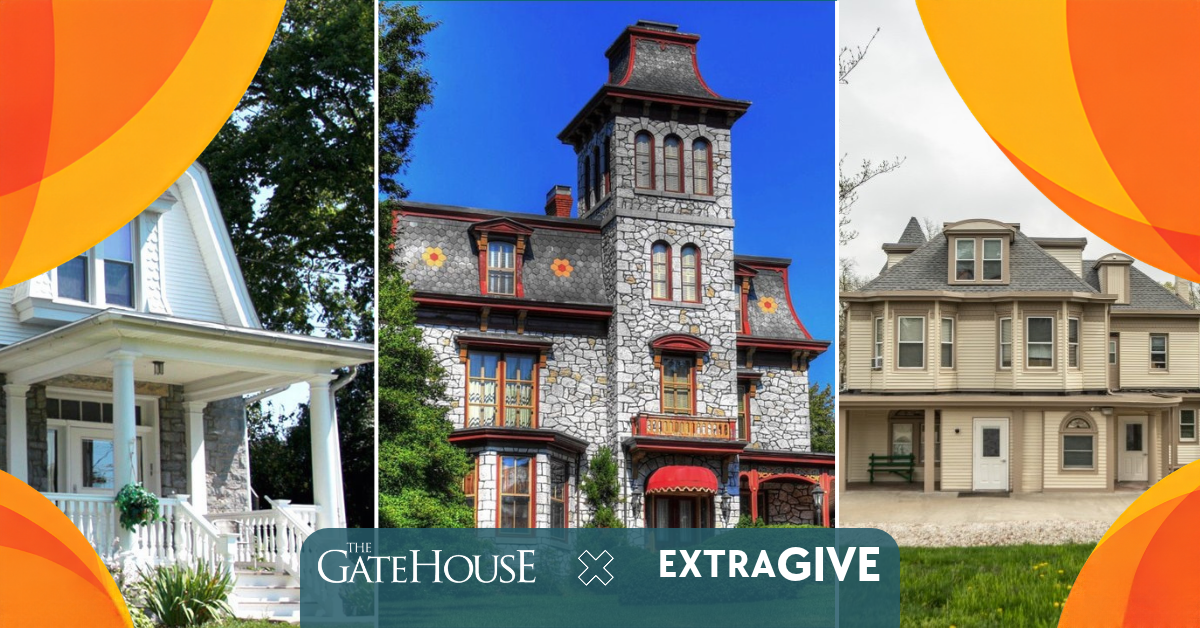
A young woman once told Mariah Milani that she’d always wanted children of her own. But there was something holding her back.
Her mother had struggled with substance use disorder for years, and the young woman worried about exposing her future children to the same instability she’d experienced.

Mariah, an Intake Supervisor at The GateHouse, learned about the family’s circumstances during a chance encounter outside of work. The woman’s mother had participated in The GateHouse’s recovery programs twice and had been in recovery for approximately two years.
That progress changed the daughter’s outlook. She was beginning to feel comfortable pursuing the family she’d always wanted.
“It just seems like her life had changed for the better in those last two years,” Mariah recalled. “She wanted to have kids again.”
Stories like this demonstrate how recovery can change lives far beyond the individual experiencing substance use disorder. Families regain hope, relationships have opportunities to heal, and futures that once seemed uncertain begin to look possible again.
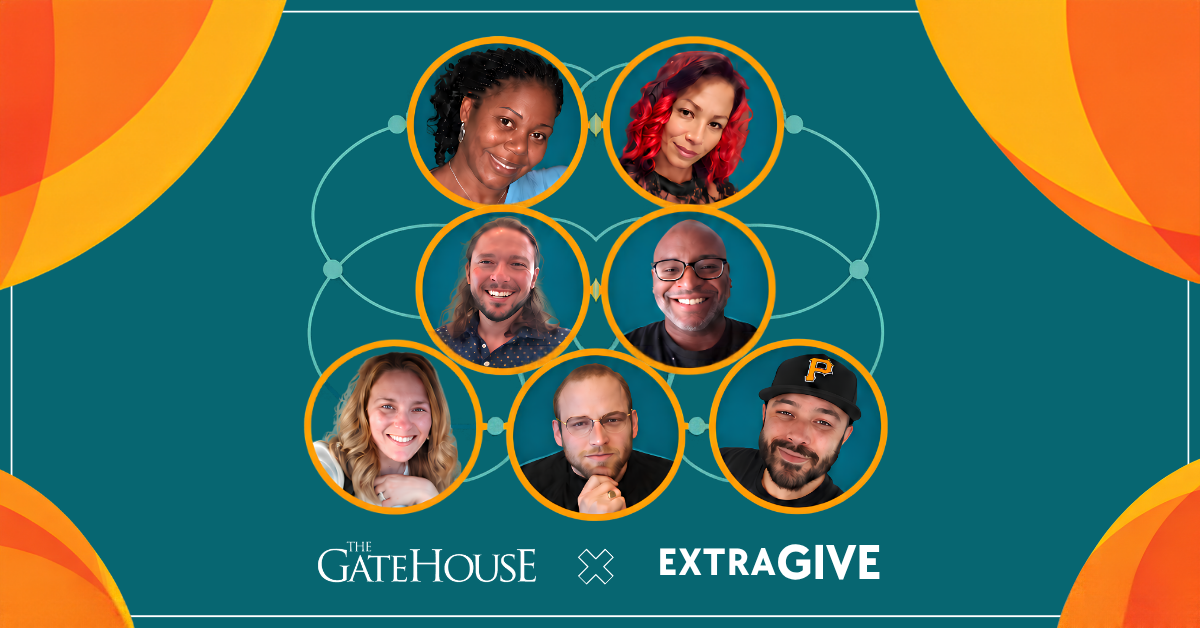
The people and resources behind these changes are at the heart of The GateHouse’s 2026 Extraordinary Give campaign, The People Who Connect Us.
Rebuilding Relationships, One Step at a Time
For families affected by substance use disorder, rebuilding trust can be among the most difficult parts of recovery.
Years of uncertainty, broken promises, or strained relationships can leave loved ones cautious, even when someone begins making meaningful progress. Trust returns gradually through everyday actions:
- Showing up
- Following through on commitments
- Being honest
- Respecting boundaries
The young woman Mariah encountered had witnessed enough positive changes in her mother’s life to reconsider decisions about her own future. But maintaining that progress also requires stability.
Creating the Stability That Supports Recovery
Rebuilding relationships becomes considerably more difficult when someone is struggling to meet basic needs.
A person worried about housing, transportation, or food faces additional pressures while trying to maintain healthy routines and repair important relationships.
At The GateHouse, our residential extended care, transitional living, and other recovery services help individuals develop the skills and independence needed to navigate everyday responsibilities.

Community contributions help address needs that might otherwise become barriers to progress.
“People like to see where their money’s going,” Mariah said recently during a discussion about the ExtraGive. “Just reading it on a screen is a little different than actually seeing it.”
For Executive Director Jodi O’Reilly, that impact is visible in the practical assistance The GateHouse provides to people working toward independent living.
“Sometimes it means helping clients furnish their first apartment or providing rent scholarships as they transition to independent living,” Jodi said. “These are practical ways we can help people establish a stable foundation for the next chapter of their lives.”
The People Who Stand Beside Those in Recovery
Practical assistance is one part of recovery. Equally important are the people who provide encouragement, understanding, and accountability.

For Marisol Reed, a Recovery Specialist at The GateHouse’s Mountville location, empathy is essential.
“Everyone comes from a different walk of life,” she said, emphasizing the importance of understanding what others have experienced and the challenges they may still face.

That perspective helps staff provide individualized support, whether someone is reconnecting with loved ones, establishing healthy routines, or learning to manage responsibilities independently.
Recovery Support Specialist Meagan Halbleib brings her own recovery experience to that work.
“Working at The Gatehouse allows me to use my lived experience in recovery to help others be successful in their recovery,” Meagan said.
Meagan’s experience illustrates how recovery support can come full circle. People who once relied on encouragement and guidance may eventually provide that same support to others. Together, these relationships create a community where individuals can develop confidence, strengthen connections, and continue moving forward.
Your ExtraGive Contributions at Work
For someone contributing to The GateHouse during the ExtraGive, the connection between a donation and a person’s recovery may not always be immediately apparent.
Yet the impact can extend well beyond the initial assistance.
- A rent scholarship can provide breathing room while someone establishes financial stability.
- Reliable transportation can help someone maintain employment.
- A recovery-focused activity can introduce someone to new friendships and a supportive community.
Each represents an opportunity to make progress, strengthen relationships, and build confidence in the future.
Last year, supporters helped The GateHouse raise more than $17,000 during the ExtraGive. This year, generosity like that can continue helping individuals overcome everyday challenges while working toward lasting recovery.
The benefits extend beyond the person receiving assistance. As Mariah’s story illustrates, progress in one person’s recovery can create opportunities for an entire family.
Become Part of the Connection This ExtraGive
 This year, we’re inviting Lancaster County to help The GateHouse continue providing the people, programs, and resources that support recovery.
For the young woman Mariah met, her mother’s progress in recovery helped restore something deeply personal: confidence in the possibility of building a family of her own.
That’s the potential of recovery. As individuals rebuild their lives, the people around them can discover new hope for their own futures.
This ExtraGive, you can become one of The People Who Connect Us.
Join your neighbors, local businesses, community supporters, and The GateHouse alumni in helping individuals and families build stronger, healthier, and more fulfilling lives.
Support The GateHouse during the 2026 Extraordinary Give and help make those connections possible.


 September is



 At age 41, Hallie Franceschi never thought she’d be here.
 Despite her struggles with substances, Hallie managed to excel academically, taking accelerated classes and graduating high school. She even earned acceptance to the University of Pittsburgh, where she planned to study marketing and advertising design. But the pull of addictive substances proved stronger than her academic ambitions.

 The program introduced Hallie to activities she’d never experienced before—bowling, miniature golf, movies with friends.


 Before she became part of the team at The GateHouse, Janice Potter was a resident here. One of her best friends, Irene Mouchlizis, vividly remembers her arrival in 2000.
 Despite her early release from the program, Janice returned to The GateHouse several years later—this time as an employee and mentor. Having found a sense of inner peace thanks to the work she had done in recovery, she was better able to assist others on their own recovery journeys.
 Janice wanted to give back what was given to her and help others enjoy the freedom that recovery brings, Irene said.
