Open post Mary Cahill Recovery Journey Success Story GateHouse Lancaster PA

The Long Road to Purpose: Mary’s Recovery Journey

Mary Cahill remembers the day her recovery journey truly began — the day she stopped trying to outrun herself..

By then, she had spent years cycling through treatment, legal consequences, strained relationships, and relapses. She knew what recovery looked like from the outside. It would be a long time before she understood what it was like on the inside.

“I had been in and out of rehabs for a very long time,” Mary said. “I knew what I needed to do. I just needed to commit.”

Today, more than 10 years into her recovery journey, Mary is a licensed social worker and clinical supervisor helping others through the same fear and uncertainty she once knew. She doesn’t take any of it lightly. It is something she built one honest step at a time.


The GateHouse Mary Cahill childhoodGrowing Up in Chester County

Mary grew up in Thorndale, Pennsylvania, the youngest of five children in an Irish Catholic family.

She earned a partial athletic scholarship to East Stroudsburg University, but after drinking became a regular part of her college life, she lost the scholarship and returned home. She later earned a degree as a physical therapy assistant and took a job in an orthopedic surgeon’s office.

It was a good job, and Mary did it well. But the access it provided to prescription medications would soon change the course of her life.


When Everything Changed

During this time, Mary had four wisdom teeth removed, developed dry sockets, and was prescribed a powerful pain medication.

“I remember thinking, ‘Oh, so this is what that feels like,’” she said. “This is great.”

Her substance use escalated quickly. When the original prescription ended, she wanted more. Because she worked in a medical office, she had access to information that allowed her to call in prescriptions. She began doing so for herself and others, a pattern that continued for years.

When the prescription activity was discovered, Mary’s family urged her to enter treatment. By that point, she was exhausted and not thinking clearly about what was coming.

“I was just tired of doing this,” she said.

Mary entered treatment for the first time in 2005. Two weeks gave her time to detox, but not enough for the work to take root.

When she returned home, her family hoped the worst was behind her. Instead, legal consequences followed, and Mary lost her job. Even then, she did not yet understand how much deeper her substance use would take her.


Years of Consequences

Mary returned to active substance use about a year or so later. At first, it was pills. Then, when pills became too expensive, she discovered heroin.

“That,” she said, “was the beginning of hell.”

Over the next several years, Mary cycled through treatment, legal problems, probation violations, and jail. Her marriage suffered. She and her husband eventually separated. She lost her home and moved back in with her mother after her father passed away. Her substance use continued.

In 2013, after time in jail and another treatment stay, Mary’s probation officer directed her to The GateHouse. She arrived at the women’s house in Mountville unsure of what to expect.

“It was intimidating,” she said. “You’re walking into a house full of women you’ve never met before.”

But the program’s structure soon began to make an impression. The step work, meetings, chores, counseling, job searches, and expectations gave Mary something she had been missing—accountability.

“It pushed you,” she said.

She also found connection. Some of the women she met there remain her friends today, including one of her best friends.

And then there was Janice Potter.


The GateHouse Janice Potter


Janice, who later became a beloved figure at The GateHouse, was working weekends at the time. Mary remembers her as tough, funny, direct, and deeply invested in the women in the program.

“She was a tough cookie,” Mary said. “But she would have conversations with me for hours. She really motivated the women to keep doing the right thing.”

Mary completed three months at The GateHouse, then stepped down into REI, now known as GateHouse Transitional Living. She stayed in Lancaster for more than a year and built meaningful relationships. But she eventually began to drift away from the structure that had helped her.

“I wasn’t in the recovery scene as much,” she said. “After a while, it was difficult to stay connected.”

After celebrating one year in recovery, Mary returned to active substance use. It lasted about three months.

“It was a lot of isolation,” she said. “Just being alone in my room and not talking to anybody. It was awful.”


The Moment That Defined Her Recovery Journey

The GateHouse Mary Cahill Success StoryMary returned to treatment in June 2015, but her final turning point came later that year. In November, she was arrested in Philadelphia. This time, she was sent to a massive prison, not a little county jail. That nine-month stretch was the longest she had ever spent incarcerated.

“It was really scary,” Mary said. “But I really think I needed that extended time to sit with myself and be like, ‘Okay, what are you doing?’”

Mary’s recovery date is November 11, 2015.

When she was released, the first thing she did was go to a meeting. That same night, she found a sponsor, who more than 10 years later, is still her sponsor. Mary stopped hovering around recovery’s periphery and became an active member of it.

“I made a promise to myself that I was going to dive right in,” she said. “And that’s what I did.”


Rebuilding From the Ground Up

The GateHouse Mary Cahill graduationThe road back required humility. Mary didn’t have a driver’s license, so she took a job at a dog daycare, making about $9 an hour. She relied on other people for rides.

As tough as it was, she had accountability again.

About a year and a half into recovery, Mary returned to a treatment center in Lancaster where she had once been a client and shared her story. That visit led to part-time work, then full-time work, then intake. She took a train back and forth between Exton and Lancaster every day.

She also returned to school, earning her bachelor’s degree in social work, then her master’s degree. In 2024, she became a licensed social worker.

She now works at Provive Wellness, where she began as an admissions therapist and later stepped into a clinical supervisor role. She has a career, but more importantly, she has purpose.

“I wanted to give back what was given to me,” she said. “I wanted to be that therapist for someone else.”


Building a Life on Trust

The GateHouse Mary Cahill recovery journeyToday, Mary lives in Chester County with her longtime boyfriend, who is also in recovery. Her life is grounded, full, and connected to the work of helping others.

When Mary thinks about what she would say to someone entering The GateHouse or beginning the recovery process, her advice is simple: “Be open.”

“We don’t have a lot of trust when we’re coming out of active substance use,” she said. “But if you put even an ounce of trust into someone else, you never know where it’s going to take you.”

Mary knows trust does not always come easily. She also knows what can happen when structure, accountability, and community help carry someone until they are strong enough to stand.

Just as the recovery community helped carry her, she now works to help carry others.


The GateHouse is here for you, whether you need outpatient support, transitional living, or residential extended care programs. If you’re looking for help now, give us a call at 717-393-3215 or reach out to us today to get started.


 

Open post The GateHouse 2025 year in review — recovery, renewal, and resolve for individuals in Lancaster, PA

A Year of Renewal, Resolve, and Recovery: Looking Back at 2025 and Ahead to 2026 at The GateHouse

In a year of recovery shaped by economic uncertainty and shifting community needs, one thing remained steady across Lancaster County: The GateHouse continued to meet people where they are, helping them rebuild their lives as they recover from substance use disorder.

This work showed up in many ways. It appeared in the stories clients shared, in the families who found stability again, and in the quiet but essential support that helped people move forward when it mattered most.

As we close out 2025, we are taking time to reflect on what this community made possible and what lies ahead in the year to come.


The Landscape of Recovery in 2025

Throughout 2025, recovery providers across the region navigated a complex and evolving landscape. While opioid overdose deaths in Lancaster County have declined over the past two years, new substances continue to emerge, and economic pressure remains real for many families. These conditions often make access to sustained support even more critical.

Within that environment, The GateHouse remained one part of a broader solution. We deepened community engagement, expanded access to care, and continued to focus on long-term recovery rather than short-term fixes. Families new to navigating substance use disorder found a place that offers both structure and hope, and individuals seeking change found support grounded in dignity and accountability.


What Your Support Made Possible

The GateHouse exists to strengthen the entire community by providing comprehensive, community-based post-rehabilitative services for individuals and families impacted by substance use disorder.

In 2024, 493 individuals went through GateHouse programs across residential, outpatient, and transitional living services. Final totals for 2025 will be available in early January, but the scope of care remains substantial and growing.

Behind that reach is a commitment to meeting people’s real-world needs. Over the past year:

  • 46 rent scholarships were awarded, totaling approximately $30,000, to help individuals transition into stable housing.
  • $66,000 in grant funding was used to cover direct client needs such as medical expenses, work clothing, work boots, and other unmet essentials.

This support is often the difference between someone stalling out and someone moving forward. Housing stability, access to medical care, and the ability to show up for work are foundational to sustained recovery.


Where Donations Go

One principle guides how donor dollars are used at The GateHouse: support should reach people directly.

Funds raised through community giving do not go toward administrative or operational costs. Instead, donations are allocated through a simple internal process that allows clinicians and case managers to advocate for clients when needs arise. Requests are reviewed and approved quickly so support can be provided when timing matters most.

Whether that support looks like covering rent during a transition, paying for glasses or dental care, or purchasing work boots so someone can accept a job, each dollar is tied to a specific outcome and a specific person.


Recovery That Reaches Beyond the Individual

One of the clearest lessons from this year is that recovery does not happen in isolation. When someone begins to recover, families often begin to heal alongside them.

Many of the stories shared throughout the year reflected that broader impact. Parents spoke about reconnecting with their children after long periods of instability and absence, while others described the relief of regaining trust and consistency in relationships that had been strained for years. Several individuals also shared how rebuilding structure in their daily lives created space to show up more fully for family, work, and community in ways that once felt out of reach.

In the year ahead, The GateHouse plans to more intentionally share these family perspectives alongside individual recovery stories. Doing so helps show the full scope of what recovery restores, not just for one person, but for everyone connected to them.


Recovery as a Path to Stability and Purpose

Another pattern continued to emerge in 2025. Many of The GateHouse alumni went on to build stable, productive lives that extended well beyond their time in the program. Some returned to the workforce in new ways. Others started businesses, employed others, or gave back directly to the recovery community.

These outcomes underscore a core truth of long-term recovery. When people are supported with structure, accountability, and practical assistance, they are able to reclaim purpose and contribute meaningfully to their communities.


Community Connections That Matter

Throughout the year, The GateHouse strengthened its sense of community and its culture of connection in both large and small ways.

Greenhouses at residential locations became spaces for learning and collaboration. Clients worked together to grow food and share responsibility, including using harvests to prepare meals together. A 12-step trail in Marietta is nearing completion and will soon provide a dedicated place for reflection and recovery-focused practice.

Events like TurkeyThon and our annual cultural event continued to bring clients, staff, and supporters together in gratitude and fellowship. Behind the scenes, leadership commitment also reached an important milestone, with 100% participation in Board giving, reinforcing a shared responsibility for the mission.


A Challenging Year for Giving, and a Community That Responded

Like many nonprofit organizations, The GateHouse felt the effects of a challenging fundraising climate in 2025. Economic uncertainty and broader political factors made some donors more cautious, and development efforts required persistence and flexibility.

Even so, the community continued to show up. Individuals gave what they could. Businesses supported clients through employment opportunities and matching contributions. Non-monetary donations filled practical gaps. Each act of support reinforced the idea that recovery is a shared effort.


Looking Beyond This Year of Recovery Into 2026

As we look to the year ahead, several priorities are already coming into focus:

  • Continuing to expand rent scholarships and direct client assistance
  • Sharing a wider range of recovery stories, including family perspectives
  • Completing our 12-step trail in Marietta
  • Making targeted facility improvements as approvals allow
  • Coordinating storytelling and outreach more intentionally throughout the year

What will not change is the heart of the work we do. The GateHouse will continue to focus on long-term recovery, practical support, and the belief that people can rebuild their lives when given the right tools and community.


Thank You for Being Part of This Work

For more than half a century, The GateHouse has helped individuals restore their lives and rediscover the strength of the human spirit. That work continues because of a community willing to invest in people, not just programs.

As 2025 comes to a close, we move forward with gratitude and resolve. The need remains. The work continues. And together, we will help more people find stability, connection, and a path forward.


If you are able, consider supporting this work through a donation that helps ensure continued access to housing assistance, essential services, and long-term recovery support.


Open post Six recovery journeys at The GateHouse — ExtraGive 2025 success stories Lancaster PA

Six Journeys That Show What Recovery Can Look Like at The GateHouse

Our supporters play a critical role in helping residents at The GateHouse rebuild their lives.

The ExtraGive offers a simple way for community members to help sustain recovery services throughout Lancaster County. Those who would like to take part can make an impact during this year’s event on Nov. 21.


Recovery requires courage, structure, and a network that does not give up on people. The GateHouse provides that structure through residential and outpatient services that meet individuals where they are and guide them toward sustainable change.

Every person who arrives at any of The GateHouse locations brings with them a different history and a different set of challenges. The common thread, though, is their search for stability and accountability.


Overcoming the Battle Against Substance Use Disorder

Substance use disorder affects families in every neighborhood and individuals from every walk of life. Simply put, it does not discriminate.

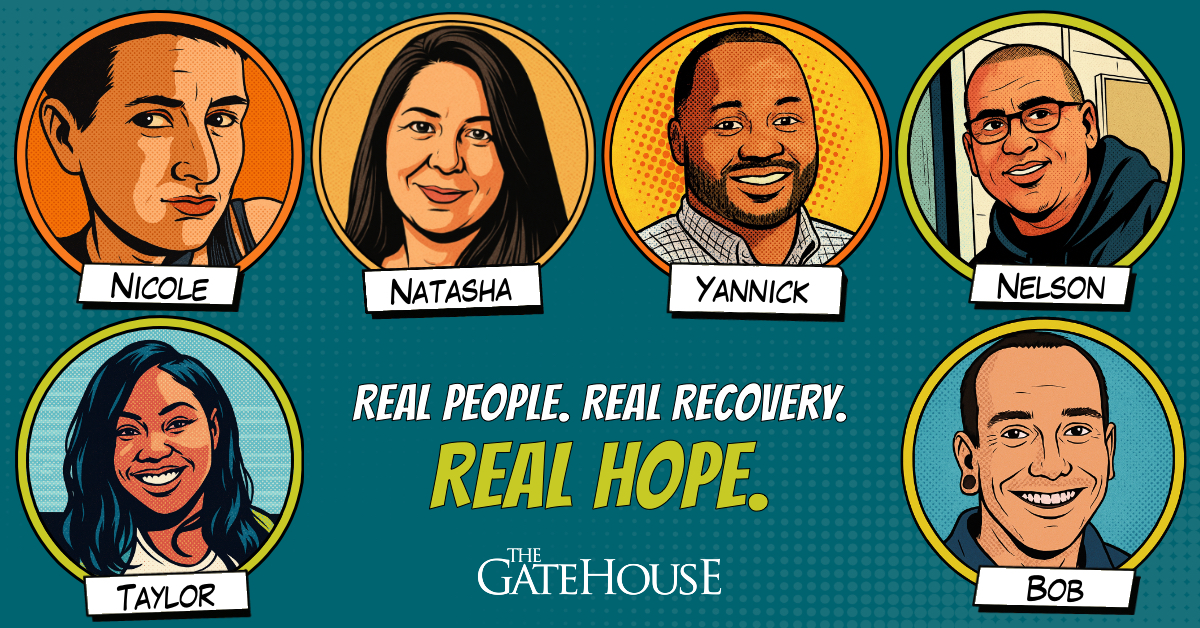
These six stories illustrate how steady guidance and a safe place to rebuild can change the direction of a life. They show what support looks like in practical terms rather than in abstract promises. They show growth that happens slowly and consistently. And they show what it looks like when people gain the skills to rebuild relationships, return to work, and contribute to their communities.


Building Confidence Through Structure: Yannick Harris

Yannick Harris - ExtraGive 2025Yannick entered treatment after years of instability and recognized early on that he needed a structured environment if he wanted life to look different. He relied on routine while he worked through the early stages of recovery.

Curfews, daily commitments, and program expectations gave him something firm to hold on to. Over time, he grew more confident in his ability to stay consistent. He also grew into a leadership role and eventually returned as a counselor.

His story shows how someone who once needed direction can become a source of direction for others. The GateHouse supported that shift by providing a place where responsibility is taught in small, steady steps.

Read Yannick’s full story here.


Regaining Stability Through Steady Progress: Bob Esque

Bob Esque profileBob reached a point where he struggled to recognize a path forward. The GateHouse became a turning point because it offered clear structure at a moment when everything felt uncertain.

He spent his early months learning how to build new habits and how to stay present in simple routines. Gradually he gained confidence in his own choices. His time in transitional housing played a major role in that progress because it allowed him to practice independence with support nearby.

His story shows how recovery grows stronger when individuals are given manageable goals and the time needed to meet them.

Find the details of Bob’s journey here.


Finding Strength With Community Support: Natasha McCall

Natasha's Success Story with The GateHouseNatasha navigated years of instability before arriving at The GateHouse. Her early days in the program were shaped by fear and doubt. She wondered whether change was possible.

Step by step, though, she found stability through counseling sessions, peer connections, and a reliable daily schedule. Natasha worked to rebuild trust with the people she cared about, and she learned how to rely on encouragement without leaning on it as a crutch.

Her journey highlights the importance of community support during vulnerable moments. It also highlights the steady role that staff play in helping residents rebuild confidence in themselves.

Find out more about Natasha’s recovery here.


Each year, the Extraordinary Give strengthens the work performed across all programs that are run by The GateHouse. Donations made during the event help ensure that residents receive consistent support throughout their time in treatment.


Gaining Clarity Through Accountability: Taylor Faison

Taylor Faison's recovery storyTaylor entered recovery with a history of prescription misuse that had grown over time. She recognized that life was becoming narrower and harder to manage.

Treatment gave her a chance to understand how her patterns developed and how she could change them through accountability. She learned practical skills that helped her maintain her recovery while handling daily responsibilities.

Taylor built a stronger sense of personal identity during her time with The GateHouse and gained the clarity needed to pursue a healthier future. Her experience shows how education, routine, and honest self-reflection can reshape a person’s direction.

See Taylor’s journey to recovery here.


Rebuilding Confidence Through Meaningful Connection: Nicole Barcalow

Nicole Barcalow - ExtraGive 2025By the time she arrived at The GateHouse, Nicole was carrying the weight of repeated setbacks. She needed a place that offered stability without judgment.

Her time at The GateHouse allowed her to rebuild her confidence through honest conversations and consistent expectations. She developed connections that made her feel supported rather than isolated. Nicole eventually recognized how important it is to feel understood by people who have walked similar paths. Her journey reminds us that recovery is not only a personal process but also a communal one.

Supportive relationships help people remain anchored, especially during uncertain moments.

Find out more about Nicole’s second chance here.


Creating Purpose Through Service and Commitment: Nelson Caldero

Nelson profile - ExtraGive 2025Nelson spent years navigating life on the streets and the challenges that come with it. When he reached The GateHouse, though, he found safety and a routine that allowed him to focus on change. Staff helped him manage responsibilities in a way that felt achievable rather than overwhelming. Nelson became known for his dedication to service and eventually stepped into a leadership role.

His progress illustrates how a stable environment can help individuals recognize their own potential. It also shows how giving back can strengthen a person’s commitment to ongoing recovery.

Read more about Nelson’s journey here.


A Shared Thread

ExtraGive 2025 -The GateHouseEach of these individuals entered The GateHouse with a different starting point. Some arrived after years of instability. Others arrived after quiet struggles that grew more serious over time. What connects their stories is the role of structure, accountability, and community.

Recovery does not look the same for everyone, but it consistently requires patience, guidance, and a supportive community. These six stories illustrate how lives can shift when those elements are in place. Many individuals throughout Lancaster County need the same kind of support that helped these six residents rebuild their lives. That need continues to grow, and The GateHouse works each day to expand its reach.

The ExtraGive provides essential fuel for this mission. The annual event strengthens nonprofit organizations throughout the county and allows community members to support the work they believe in.

Contributions made during the ExtraGive directly support programs that provide safe housing, counseling, and long-term recovery guidance, while strengthening the network that makes success stories like these possible.


Anyone who would like to support The GateHouse during ExtraGive can make a contribution through our campaign page. Each gift helps sustain the housing and treatment services that residents rely on as they rebuild their lives.


Open post Nelson Caldero, 18 years in addiction recovery, now a certified drug counselor in Lancaster PA

From the Streets to Service: Nelson Caldero’s Journey to Recovery

Nelson profile pictureGrowing up in Puerto Rico, Nelson Caldero seemed destined for success.

Bright, disciplined, and surrounded by strong family values, all the pieces were in place. His parents, now in their eighties, didn’t drink or smoke, and Nelson was raised in the Catholic Church.

“My family taught me right from wrong,” he said. “We weren’t even allowed to have tattoos.”

After graduating high school in 1990, Nelson went to college and earned an associate’s degree in accounting. But despite his degree and the structure his family provided, his environment told a different story. Nelson lived in a housing project where crime and drug dealing were part of everyday life; where the people who commanded respect were the ones who broke the rules.

“In the projects, it wasn’t about being a bad person,” Nelson explained. “It was about survival … and wanting more.”

Despite his family’s love and support, by his late teens, Nelson was already immersed in Puerto Rico’s drug culture. He drove his own car, worked for major dealers, and was surrounded by people chasing fast money.

“I wasn’t using then,” he said. “But I was deep in the lifestyle.”


A Move to the Mainland

Nelson older pictureIn his early twenties, Nelson traveled to Bethlehem, Pennsylvania, to attend a funeral for someone connected to the life he’d known in Puerto Rico. It was his first time leaving the island, and the trip changed everything, he said. As soon as he arrived, he saw opportunities everywhere and decided to stay.

But that decision would also put him on a dangerous path.

“When I came to Bethlehem, I started working at a tire shop that was also laundering money,” Nelson said. “Eventually, I made the poor decision to start selling heroin with one of my coworkers. My mentality back then was all about making money.”

The lifestyle escalated quickly. His first brush with jail was for possession while dealing drugs. He bailed himself out quickly, though, and was back on the street in no time. He was even offered Accelerated Rehabilitative Disposition (ARD), a pre-trial diversion program for first-time nonviolent offenders. Successful participation in the program could have eventually led to an expungement of his criminal record.

It wasn’t long, however, before Nelson got further involved in drug trafficking and was arrested after a shooting incident. Although he wasn’t the one who pulled the trigger, Nelson was one of three people trying to collect money from another group and was witnessed carrying a gun. This time, his case wasn’t treated so lightly. He was given a high bail, which led to his first real time in jail.

“That’s when I went to general population for the first time,” he said. “When I came out, I told myself I was a criminal now. That’s how I started using heroin for the first time, right here in Pennsylvania.”


The Spiral and the Fall

What began as experimentation soon turned into a daily battle.

“From that day on, that was it,” he said. “I was in and out of prison—Northampton County, Lehigh County—it never stopped.”

Hoping to escape the chaos, Nelson returned to Puerto Rico, where his family believed a change of scenery might help. “But when I went back, it was even worse,” he said. “Heroin was cheaper and easier to find. Two weeks later, I was using again. And then I became homeless.”

Eventually, a friend from the old neighborhood recognized his struggle and sent him to a program that transferred people from Puerto Rico to Christian rehabilitation centers in the U.S. Nelson ended up in New Jersey, but he wasn’t ready. “I found a way to use even in the program,” he said. “They kicked me out.”

From there, he called his brother in Bethlehem, who sent him money to come back. “He told me the rules: no using, no drinking. Three weeks later, I relapsed again.”


Rock Bottom and the Turning Point

By his late twenties, Nelson had lost nearly everything: his marriage, his health, and his family’s trust.

“Every time my brother helped me, I hurt him,” he said. “I would steal from him to buy drugs. It got to the point where I had no place to live and no one to call.”

In 2007, he found himself back in jail, this time in Northampton County. But during his court hearing, something shifted. “I told the judge, ‘If you send me to treatment, I promise you’ll never see me in this court again,’” he said. “And I meant it.”

The judge listened. Nelson was sent to a residential treatment program in Lancaster. “That was my last chance,” he said. “And I knew it.”

His clean date of November 2, 2007, marks the day he entered that program. When he completed treatment, his counselor offered him a spot at The GateHouse in Lancaster. “I’d never heard of it before,” Nelson said. “But on January 2, 2008, I walked through those doors. And everything started to change.”


Finding a New Way to Live

At first, Nelson wasn’t sure he’d fit in.

“There were only two Spanish guys there, and after the first week, the other one got discharged,” he recalled. “I thought nobody would like me. But from the first day, everyone treated me with respect. They treated me like I was somebody. I needed that.” That respect became the foundation of his recovery. Nelson began working the 12 Steps, attending meetings, and building a new community.

“I decided I wasn’t going back to Bethlehem,” he said. “I was going to start over here.” He found a sponsor (the same one he still has today), got a job downtown, and started rebuilding his life.

“The GateHouse gave me more than a bed,” Nelson said. “It gave me purpose.”


From Resident to Role Model

Nelson and partnerNelson stayed the course. He finished outpatient care, enrolled in classes at HACC, and eventually earned his associate degree in social work. Later, he was accepted into Drexel University’s Behavioral Health Counseling program, a process that took determination and three separate appeals after his application was initially denied due to his old criminal record.

“I didn’t give up,” he said. “I even wrote a letter to the doctor who created the program. I told him, ‘That charge doesn’t define who I am today.’ They finally accepted me and even paid for my books the first semester.”

Every Saturday for nearly two years, Nelson drove from Lancaster to Philadelphia for classes, never missing a session.

“I only missed one day because of snow. It took me two hours to drive there and two to drive back. But I wanted it,” he said. “I wanted it so bad.”

He graduated with honors and later earned his CADC (Certified Alcohol and Drug Counselor) credential.

For 16 years, Nelson worked at Nuestra Clínica Residencial in Lancaster, where he rose to Facility Director of the halfway house before accepting a new role at Blueprints for Addiction Recovery. Today, he serves as an Embedded Case Manager, helping clients navigate treatment and county funding through the Lancaster County Drug and Alcohol Commission.


A Life Rebuilt with a Legacy of Service

Nelson's daughter and partnerRecovery established Nelson’s career but also rebuilt his family.

After gaining full custody of his daughter when she was two and a half, he built his life around being a father.

“I learned how to braid hair, pack lunches, and take her to school,” he said with a smile. “She’s 10 now, and everything I do, I do for her.”

Nelson also found love again.

“I’ve been in a relationship for five years,” he said. “She loves my daughter like her own.”

Even now, he remains deeply connected to the recovery community. He serves as a coordinator for a Spanish-language NA convention and volunteers as an area service representative for the Lancaster region.

“Somebody helped me,” he said. “Now it’s my turn to help others.”


Eighteen Years of Addiction Recovery and Counting

Nelson's familyThis November marks 18 years since Nelson’s last use. It’s a milestone he doesn’t take lightly.

“I remember what it felt like to have nothing,” he said. “Today, I have a home, a family, a career, and peace. That’s what recovery gives you. Peace.”

When asked what advice he shares with others walking a similar path, Nelson doesn’t hesitate.

“Don’t give up,” he said. “You’re not going to understand everything right away. But keep showing up. One day, the miracle will happen. And when it does, your life will make sense again.”


The GateHouse is Central Pennsylvania’s leader in accredited recovery care, helping individuals rebuild their lives and rediscover the strength of the human spirit. Whether you need outpatient support, transitional living, or residential extended care programs, give us a call at 717-393-3215 or contact us to get started.


Open post Nicole Barcalow Success Story The GateHouse

From Chaos to Compassion: Nicole Barcalow’s Journey Home to The GateHouse

Nicole BarcalowWhen Nicole Barcalow walks through the doors of The GateHouse each day, it’s more than just a job to her.

It’s home.

As the Residential Program Supervisor at the men’s house in Lititz, Nicole oversees nearly 30 residents and a team of compassionate staff. Her days are spent ensuring meals are cooked, rules are followed, and residents have everything they need, from laundry pods to a listening ear.

“I tell people I’m basically a mom to 29 guys,” Nicole said with a laugh. “But it’s true. I care about every one of them.”

Her commitment to the men she serves goes beyond managing a schedule. She makes sure they feel seen, supported, and cared for. She knows what it’s like to stand where they are.

This November, Nicole will celebrate nine years in recovery. It’s a milestone she credits to faith, structure, and the community she herself found at The GateHouse years ago.


A Chaotic Childhood

Nicole’s journey to The GateHouse began miles away from Lancaster County, in a small New Jersey town near the shore. She grew up in a trailer park with her mother and stepfather; both of whom struggled with substance use disorder.

“They were young, and they were using,” she said. “There was always drinking, taking pills, and later, using harder drugs. It was chaotic.”

As the oldest of three girls, Nicole often felt more like a parent than a sibling. She remembers waiting up at night, peeking through the crack of her bedroom door to make sure her mom hadn’t left the stove on or fallen asleep with a cigarette lit.

“For my sisters, I tried to make things fun, like building forts and making up games,” she said. “But for me, it was constant worry.”

By her early teens, Nicole had already started using substances herself. First, it was with her parents, then her friends. In high school, she found herself drawn to the wrong crowd but still managed to keep her grades up.

“I was smart,” she said. “I even got myself into college. But I just couldn’t get out of my own way.”


The Slide into Substance Use

Nicole’s experimentation in high school quickly turned into dependency. By her senior year, she was using heroin regularly while working at a restaurant after school.

“I didn’t even realize what withdrawal was until I tried to stop,” she said. “That’s when I knew I was in deep.”

Despite her struggles, Nicole was accepted to Rutgers University, where she planned to study chemistry. But the summer before college, she was arrested on a paraphernalia charge. It would be the first of many encounters she would have with the law.

Still enrolled at Rutgers, Nicole was determined to change. She did her best to stay clean, but loneliness and depression crept in. “Everyone around me had money and families that cared,” she said. “I just didn’t fit in.”

One afternoon, her roommate walked into their dorm room and found Nicole unconscious with a tourniquet around her arm. The university gave her a choice: go to treatment or leave school.

“That’s the thing about this disease,” she said. “It takes everything from you and then convinces you that it’s fine.”

She opted for the drugs and left her future behind.


Jail, Loss, and a Glimpse of Hope

Nicole Barcalow hospitalizedAfter leaving Rutgers, Nicole’s life spiraled. Her parents had moved to Pennsylvania without telling her, leaving her to live with her grandmother in New Jersey.

“They just packed up and left,” she said. “It felt like punishment.”

Her grandmother, a tiny Italian woman with a fierce heart, became the one person Nicole could always count on. “No matter what I did, she loved me,” Nicole said. “She picked up every jail call, every time.”

Love alone couldn’t stop the cycle. Nicole spent much of her twenties bouncing between arrests, probation violations, and short stints in jail. When she wasn’t incarcerated, she sometimes stayed with her parents in Allentown, but only until they realized she was using again.

“It wasn’t hard for them to tell,” she said. “I didn’t grow up with a lazy eye, but the heroin made the muscle in my eye weaker and weaker. My mom would take one look at me and say, ‘You’re high. Get out.’”

The damage went far beyond what anyone could see. Over the years, Nicole’s body endured the full weight of her substance use. She was hospitalized on multiple occasions for overdoses and placed in a coma four separate times.

“I came close to dying more than once,” she said quietly. “It’s a miracle I’m even here.”

But jail, ironically, became one of the few places where she felt a sense of order. “I didn’t mind jail,” she said. “It was structured. People followed rules. I felt safe.”

That stability, however harsh, hinted at something she didn’t yet have a name for. It was the kind of structure she would later find in recovery.

During one of her releases, Nicole was sent to The GateHouse as part of a court stipulation. She didn’t know it then, but that experience would plant the first seeds of change.


A Place of Structure and Second Chances

Nicole would enter The GateHouse three different times over the next 10 years. The first two didn’t stick.

“I wanted to be cool, to fit in with the girls who were using,” she said. “But I wasn’t ready.”

Her third time was different.

“By then, I had lost everything,” she said. “My mom had died from an overdose. I had burned every bridge. I knew I couldn’t keep living like that.”

This time, she found structure and accountability at The GateHouse, and she embraced it. For the first time in her life, she met people who believed in her. “They taught me how to live again,” she said. “How to be responsible, how to show up.”

She also met her future wife, though she laughs now at the timing. “I don’t recommend dating in treatment,” she said. “But somehow, we made it work.”

Together, they built a life rooted in recovery and mutual respect.

“We’ve been together 13 years now,” she said, before adding proudly, “… and nine of those have been clean.”


Building a Life Worth Protecting

Life didn’t immediately get easier, but it got better. Nicole and her wife worked their way up from fast-food jobs to management positions, eventually earning stable careers. Nicole chose to go into behavioral health; her wife chose the security field.

Her first real opportunity came when Retreat Behavioral Health hired her on the spot.

Nicole Barcalow and wife“I couldn’t believe it,” she said. “I sat in my car at the bottom of the hill and just danced. I called my probation officer, my therapist, everyone I could think of to tell them I was going to work in treatment.”

That moment marked a turning point, sparking a deep love for helping others in recovery.

Right before her weight-loss surgery and shortly after she and her wife gained custody of her wife’s stepdaughter, Retreat closed its doors permanently. It was devastating. But that loss pushed her back into the rooms of Narcotics Anonymous (NA), where she reconnected with her support system and strengthened her resolve to keep growing.

Not long after, her former boss from Retreat called about an open position at The GateHouse and told her she’d be a perfect fit. Nicole didn’t hesitate.

“I was like, ‘That’s my home. That’s where I belong.’”

Nicole has grown into her role as a staff member at The GateHouse and has become an inspiration to the men she supervises. She also serves as a General Service Representative for her NA home group, attends meetings regularly, and mentors others in recovery. “The GateHouse gave me my life back,” she said. “Now I get to help others find theirs.”


Lessons in Recovery

Nine years into recovery, Nicole continues to grow. Last year, she underwent weight-loss surgery and lost more than 100 pounds — a physical transformation that mirrored her ongoing emotional and spiritual work.

“I realized recovery doesn’t stop with drugs,” she said. “You can replace one addiction with another. It can be food, relationships, anything. That’s why you’ve got to keep doing the work.”

She’s also a parent now, raising her wife’s 16-year-old autistic daughter. “It’s been the biggest blessing,” she said. “I get to give her the kind of love and stability I didn’t have.”

When asked what advice she would give others in recovery, Nicole doesn’t hesitate.

“Build your support system,” she said. “Call someone every day. Go to meetings. Stay connected. You don’t have to do this alone.”


Coming Full Circle

Nicole Barcalow The GateHouse Christmas eventFrom a trailer park in New Jersey to leading a recovery house in one of the coolest small town in America, Nicole’s story is one of resilience, redemption, and love.

“I used to think I’d die out there,” she said quietly. “Now I wake up every day grateful that I didn’t.”


The GateHouse is here for you, whether you need outpatient support, transitional living, or residential extended care programs.

If you’re looking for help now, give us a call at 717-393-3215 or reach out to us on our website to get started.


Open post The GateHouse - Taylor Faison's Recovery Journey

From Prescription to Purpose: Taylor Faison’s Recovery Story

GateHouse LancasterTaylor Faison's recovery storyTaylor Faison never imagined her life would come apart so quickly.

She hadn’t grown up around drugs. She hadn’t experienced trauma. She was a college student with a good childhood, a supportive family, and a promising future.

“I had never even used drugs,” Taylor said. “I drank socially, but that was it.”

Then, at 20 years old, she got pregnant. Complications during delivery required an emergency C-section and two epidurals—one of which injured her back. Doctors prescribed Percocet for the pain.

“It made me feel better,” Taylor said. “It helped with the physical pain—and with my postpartum depression.”

Before long, though, she was misusing the pills.

“I started asking for more even when I didn’t need them,” she said. “And they kept giving them to me.”


A Downward Spiral

After dropping out of Delaware State University, Taylor moved back to her small hometown of Lewisburg, Pennsylvania, to raise her newborn daughter. She felt isolated. All her friends were still in school. Her child’s father was incarcerated. Her identity was unraveling.

“I was lonely,” she said. “I felt like I had gone from being this bright, ambitious 20-year-old to being stuck—like my life had ended.”

When her prescriptions expired, she began buying Percocet on the street.

“I didn’t even know that was an option,” Taylor said. “Eventually, I couldn’t stop.”

The behavior escalated when her daughter’s father was released from jail and moved in. He was abusive, putting her in the hospital multiple times, she said. The most traumatic moment came when he held her and her infant daughter hostage for three days.

“He wouldn’t let us leave the room,” Taylor said. “I couldn’t eat. I couldn’t feed her. I had no clothes on. I thought I wasn’t going to survive.”

On the third day, he stepped into the bathroom and Taylor saw her chance. She pushed the door open and ran to freedom.


Chasing Relief—and Losing Everything

The GateHouse Taylor Faison's recoveryTaylor turned to heroin when she couldn’t find pills.

“I told myself I’d never do it” she said. “But one night I was so sick, I gave in. I did a little bit—and I felt better instantly. That’s all it took.”

Soon she was using daily and began injecting.

“Everything unraveled fast after that,” she said. “I lost my apartment. I started selling just to support my habit.”

Her young daughter was still living with her at the time.

“There were nights I’d leave her sleeping in her crib and drive to Williamsport to get drugs. I’d pray she’d still be there when I got back,” Taylor said.

When her mother discovered needles in her belongings, she was kicked out—and lost custody.

“In a way, it was a relief,” Taylor admitted. “I didn’t have to lie anymore. I didn’t have to pretend.”

She moved in with a man who also used. Within two weeks, her mother called and told her a detective was looking for her. She had been under surveillance. She had no idea someone she knew had turned into a police informant.


Jail, Drug Court, and Denial

Taylor turned herself in, thinking it would be a minor offense.

“The house I lived in had been in a school zone, which resulted in added charges,” she said. Her mother let her detox in jail before posting bail.

Taylor was recommended for drug court and accepted into the program, but she wasn’t ready for recovery.

“I thought I could stop when I needed to. But I couldn’t,” she said. “At that point, I was no longer chasing a high. I was using just to feel normal and not feel sick.”

One night, with her daughter and some “friends” in the car, Taylor overdosed. Instead of rushing to get her help, her friends dumped her lifeless body on the sidewalk, dropped her baby next to her, and drove off.

“I didn’t wake up until I was at the hospital. And the first thing I did when I came to? I called those same people for more,” she said. “That’s how sick I was.”

Taylor was given an ankle monitor. She cut it off … and overdosed again. And once again, she wound up in jail. 


Taylor Faison's Success Story with The GateHouse

A Moment of Clarity

As before, she detoxed cold turkey. Unlike her previous incarceration, which lasted just a few weeks, Taylor endured months of post-detox depression. She began to confront her demons. It was an inflection point.

“This was the first time I was clean and clear-headed,” Taylor said. “No fog. No drugs. Just me—and the wreckage I’d caused.”

She called her mom, who refused to speak with her. Her daughter cried for hours on a missed Mother’s Day visit.

“That was it,” Taylor said. “That was my breaking point.”

She entered Concept 90, a long-term rehab program. There, she began to see the bigger picture.

“It wasn’t just the drugs. It was everything—my behaviors, my mindset, my choices,” she said. In one family session, her loved ones told her how her addiction had impacted them. “Even my brother’s girlfriend spoke. And I realized I wasn’t just hurting myself. I was hurting everyone in my life, everyone I loved.”


A New Direction at The GateHouse

When her rehab counselor suggested she continue her recovery at The GateHouse, Taylor agreed.

“I knew couldn’t go back to Lewisburg. Too many people, too many triggers,” she said. “The GateHouse was a fresh start.”

Taylor was accepted into the Residential Extended Care program and found structure, support, and purpose.

“Being surrounded by women in recovery helped me see I wasn’t alone,” she said. “The counselors helped me see I wasn’t a bad person—I was just a sick person who could get better.”

Taylor eventually entered GateHouse Transitional Living and became a house manager.

“That meant everything to me,” Taylor said. “No one had ever trusted me before. And now, I was helping other women stay clean.”


Healing, Stability—and a Second Chance at Motherhood

The GateHouse Taylor Faison motherhoodShe stayed for a full year, working at a local diner and focusing on herself.

“My mom said, ‘Take the time you need. Don’t rush to get your daughter back—build your foundation first.’”

She did. She got her own apartment and regained custody.

“The day I got my daughter back was the happiest day of my life,” Taylor said. “I was taking her to kindergarten, packing lunches—I was a mom again.”

But recovery isn’t always a straight line. After three and a half years clean, Taylor smoked marijuana with a friend. She now has five and a half years clean.

“One puff. That’s all it took to remind me how close I still was to relapse,” she said. “I called my sponsor. I went to a meeting. I told on myself, and that saved me.”


Building a Life Beyond Her Wildest Dreams

Taylor Faison's life after The GateHouseToday, Taylor lives in Williamsport with her boyfriend of six years. Together, they own SAARS Disposal, a thriving waste management business serving nearly 3,000 customers. They recently bought their dream home and are expecting their fourth child, including Taylor’s stepdaughter and their first son.

Her oldest daughter is now 12 and blossoming into a competitive gymnast.

“My youngest daughter has never seen me use—and she never will,” Taylor said. “That alone makes everything worth it.”

She credits The GateHouse—and the people who believed in her—for helping her reclaim her life.

“The program helped me become someone my daughter can look up to,” Taylor said. “I didn’t think that would ever be possible. But here I am.”


To watch Taylor recite a poem celebrating her first year clean, click here. 


The GateHouse is here for you, whether you need outpatient support, transitional living, or residential extended care programs. If you’re looking for help now, give us a call at 717-393-3215 or reach out to us today to get started.


Open post Natasha’s Recovery Journey

From Chaos to Clarity: Natasha’s Recovery Journey

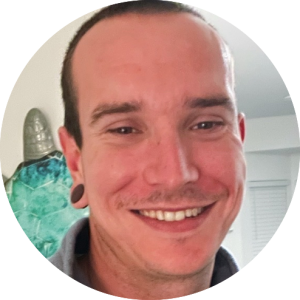
Natasha's Success Story with The GateHouseWhen Natasha McCall walked through the doors of The GateHouse the day after Christmas in 2018, she didn’t know she was entering the place that would transform her life. She had other plans … and those plans included palm trees and sunshine.

“Right when I got there, I told my counselor I was going to Florida,” she said. “I said coming to The GateHouse was just a temporary insurance thing.”

But the only program that accepted her was The GateHouse. And, as it turns out, that was exactly where she needed to be.

A Childhood in Turmoil

Natasha’s story begins in a whirlwind of instability.

By the time she entered kindergarten, she and her mother had moved 12 times. She was raised amid emotional chaos by a mom whose fear of the Rapture colored every corner of their world. Shuffled between her mother’s religious fervor and her churn of romantic relationships, Natasha was often left to her own devices.

Her first drink came at age 11, handed to her by a family member.

“I didn’t even really understand how it made me feel,” she said. “I just liked that I fit in. I didn’t feel self-conscious. I didn’t have to feel my feelings.”

What started with alcohol quickly escalated to hallucinogens, pills, and even heroin—all before she was even 16.

“It just kept progressing,” she said. “And it didn’t stop for 25 years.”

Motherhood at 15

Natasha and her sonAt just 15 years old, Natasha became a mother and immediately felt the weight of responsibility settle on her shoulders. She was desperate to provide some sense of stability for her newborn son.

“So, I did what any 15-year-old trying to build a family might think to do,” she said. “I got married.”

The marriage wasn’t to her child’s father, but to a 19-year-old man she barely knew. The relationship was rocky from the start. Both were struggling with substance use, and Natasha was still a child herself. The marriage lasted just six months.

“I had just turned 16 when we got married, and it ended that December,” she said. “It was like we were just playing house. We had no idea what we were doing.”

Still, Natasha tried to do the right thing. She got her GED, became a nurse’s aide at 17, and tried to raise her son with whatever stability she could muster.

Then, tragedy occurred. When her son was four, his biological father suddenly reappeared and took Natasha to court to gain visitation rights. On his very first overnight visit, the boy’s father abused him. It was a significant enough event that the man was arrested, convicted, and sentenced to 20 years in prison.

The experience was devastating for Natasha.

“I was already doing everything I could just to survive and be a good mom,” she said. “But that moment broke something in me. It was one of those things you don’t bounce back from—you just carry it differently.”

Transitioning to “Adulthood”

As she entered her 20s, Natasha did her best to cope. She kept working, raising her son, and searching for some semblance of order in her life. But the stability she longed for always seemed just out of reach.

Amid the chaos, she leaned on something she thought was safe: prescription medication.

“I figured if it was prescribed, it had to be okay,” she said. “I was taking Xanax, Valium, painkillers—whatever the doctor gave me. Every day.”

To the outside world, it looked like she was functioning. She had a steady job, paid the bills, and tried to keep life moving forward. But underneath it all, the pills were helping her maintain a fragile version of normal.

“I wasn’t partying,” she said. “I was surviving. But I can see now that I was abusing those meds. I just didn’t want to feel anything.”

By her 30s, things began to unravel. Her substance use disorder was no longer something she could control or conceal.

“I was getting high at work,” Natasha said. “I was missing events. Stealing from jobs. It was constant.”

Hitting Bottom

Even as her life spiraled, Natasha kept trying to “fix” things on her own. She swapped one substance for another, moved from place to place, all the while going on and off methadone.

A turning point came when her mother became gravely ill.

In the hospital for months, her mother’s health issues coincided with Natasha’s own deepening spiral. Sleeping in cars, staying with drug dealers, and ultimately losing a pregnancy due to her inability to stay clean, Natasha found herself homeless and alone in a Rutter’s parking lot.

“I had no money, no drugs, no one to call,” she said. “Weirdly, I had an NA book in my glovebox. I don’t know why. I really don’t. But I started reading.”

She picked up the phone and called Cove Forge. They had a bed. She went that same night.

“You have to understand—that never happens,” Natasha said. “You don’t just call a place like that and get a bed the same day. It honestly felt like divine intervention. Like something—someone—wanted me to live.”

The GateHouse Changes Everything

Although she had been to Cove Forge before, Natasha had never stayed through the program. But this time, something was different.

“I just knew I couldn’t go back to the life I was living,” she said.

Natasha and her friend from The GateHouseShe completed detox, stayed for rehab, and entered the partial program. Her next plan? Florida.

“My plan was to go recover in Boca Raton,” she said, laughing. “I thought I’d start fresh in the sunshine, maybe stay with my sister. That was the dream.”

But her insurance had other ideas—it required her to stay in Pennsylvania. She applied to several halfway houses across the state. All of them turned her down.

Except one.

“The GateHouse was the only place that said yes,” Natasha said. “And honestly, it was the best ‘no’ I ever got.”

When the doors of The GateHouse opened to her on that cold day in December, Natasha had no idea what she was walking into.

“I thought I’d just be living in a house, going to some meetings,” she said. “Instead, they handed me a chore list and told me I had to cook dinner for 27 women.”

A Moment of Truth

Despite the challenge, she leaned in.

“It was like everything I missed in childhood,” Natasha said. “There was a routine. I had responsibilities. But I was a part of something. I learned how to make my bed, do my own laundry, and be accountable.”

She stayed in Residential Extended Care for four months before progressing to Gatehouse Transitional Living. There, she found not just recovery—but clarity, purpose, and connection.

After her time at The GateHouse, Natasha moved to Columbia, PA, and things began to shift. She entered a relationship and moved in with a partner who was still actively using. The environment became toxic, and Natasha found herself slipping away from the practices that had kept her grounded.

The GateHouse alum Natasha“I wasn’t calling my sponsor. I wasn’t going to meetings,” she said. “I was still trying to hold things together, but I wasn’t doing the work.”

Eventually, she relapsed, and, probably due to her long period of abstinence, she overdosed.

Fortunately, her best friend, whom she had met during her time at The GateHouse, was also living with them at the time. Unlike Natasha and her partner, Natasha’s friend was still in recovery and wasn’t using. She was the one who stepped in.

“She gave me Narcan and did CPR,” Natasha said. “She saved my life.”

The moment jolted her back into focus.

“That was my jarring experience,” she said. “It shook me awake.”

Natasha and her partner moved to the City of Lancaster, but within a few weeks her partner moved out and Natasha recommitted fully to her recovery. She attended 90 meetings in 90 days, reconnected with her sponsor, and rebuilt the structure she had learned during her time at The GateHouse.

Building a New Life

Today, Natasha is thriving.

While she still lives in the same apartment she moved into after recovery, she works full-time in accounting and is pursuing her bachelor’s degree in behavioral science, with plans to earn a master’s in mental health counseling.

Most importantly, she’s become a pillar of strength in her family. Her son—now an adult—is in therapy and navigating his own healing journey. Her sister has reduced her drinking. Even her mother has become more open about addiction and recovery.

“I went from being the cautionary tale to being the inspiration,” Natasha said.

Looking Forward

Natasha plans to become a therapist whose focus areas are trauma and substance use disorder. She’s already begun to use her story to help others.

“Recovery gave me the space to grow, to go through phases, and to be loved through them,” she said. “I missed a lot growing up. Now I get to reclaim that.”


The GateHouse is here for you—whether you need outpatient support, transitional living, or residential extended care programs. If you’re looking for help now, give us a call at 717-393-3215 or reach out to us today to get started.


Open post "Bob Esque sharing his drug addiction recovery journey at The GateHouse Lancaster PA

Rewriting the Future: Bob’s Journey to Recovery

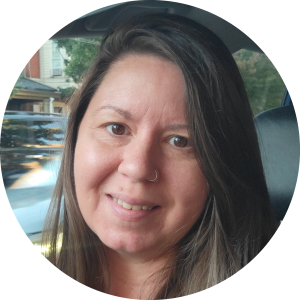
Bob Esque profileAt 32, Bob Esque lives a life that once felt unimaginable. He’s a small business owner, a proud father, and is preparing to marry the love of his life.

But behind his grounded, hopeful present lies a chaotic past filled with substance use, repeated incarcerations, and fractured relationships.

“I was willing to be anybody who wasn’t the old me,” Bob said. “As long as I didn’t become that guy again, I was all right.”


The Thirst of Adulthood

Bob’s story doesn’t begin in trauma. Raised in Chester County in what he described as a typical “functional” home, he saw alcohol as a symbol of adulthood.

“The men drank beer, the women drank wine,” he said. “That’s what we did.”

Eager to be seen as older and more mature, Bob had his first beer at age 11, handed to him by his father with a quiet “don’t tell your mother.”

That early exposure laid the groundwork for a long and dangerous relationship with alcohol. When he couldn’t get beer, he turned to marijuana. By his mid-teens, his substance use had deepened, and when he was around 15 or 16, his mother eventually kicked him out of their Chester County home. He spent about six months couch-surfing with friends, some whose parents turned a blind eye, others who normalized the behavior entirely.

“We’d skateboard, ride dirt bikes, play basketball, but eventually, all we did was drink,” he said. “Alcohol took over completely.”

At some point, though, Bob said he noticed that even the people he partied with were pulling away.

“Even some of my friends at the time, even they were pushing me away,” Bob said. “And I’m like, ‘Whoa. If he doesn’t even want anything to do with me, this has got to be pretty bad.'”

And yet, the chaos continued.


The Spiral from Teenager to Inmate

Bob before recovery with The GateHouseHis senior year of high school was marked by increasingly severe legal troubles, including marijuana possession charges and burglary. His first stint in Chester County Prison came during gym class, where officers came to his school, arrested him in front of everyone, and put him in handcuffs.

“I was terrified,” Bob said of his first experience with jail. “I’m in there with adults. I had only turned 18 two months ago … and now I’m in there with guys who had been doing this forever. ”

He was fortunate, however. Prosecutors allowed him to enter Chester County’s drug court program. But after a year and a half, he hadn’t even gotten through the first three-month benchmark.

“I was hanging out with the same people, going to the same house parties,” Bob said.” I was sober, but not in recovery. I was still very much in the game.”

At one point, he found himself in a high school classroom wearing an alcohol monitor that buzzed during lessons. Still, he finished school and earned his diploma—one of the few bright spots during this early dark period.


The Breaking Point

Bob’s turning point came not with a single catastrophic event, but through a series of mounting realizations. One moment of self-awareness—when he realized he had more experience with incarceration than a man twice his age—marked a shift in how he viewed his life trajectory.

“I was 20 years old and in Chester County Prison for like the seventh or eighth time,” he said. “One day, there’s, like, this 45-year-old man who’s in there for the first time. You could tell he wasn’t made for prison. And there I am, calming him down, telling him what’s going to happen next. It was bizarre. That’s when I first realized, ‘This is my life.’”

By the time he returned for his ninth incarceration before age 23, Bob was unraveling. When he was released in early December, he was lost, friendless, and hopeless. On Christmas Eve, desperate to escape his addiction but unable to trust himself on the outside, he walked into the state police barracks and asked to be arrested.

“They looked at me and said, ‘Kid, go home. It’s Christmas Eve,’” Bob recalled. “I actually wanted to go to jail, and they wouldn’t take me.”

It was one of the lowest points of his life. Lost, alone, and hopeless, not even alcohol could help him anymore, he said.

“It was still giving me all the physical effects, but none of the relief,” Bob said. “My only solution to life had stopped working.”

Finally, his probation officer called him to tell him the warrant he had been asking for had been issued. On January 31, 2016, he turned himself in for what would turn out to be his last stretch in prison.

Those first few weeks in jail were his worst. He had given up alcohol, his substance of choice, and his abstinence only exacerbated the experience. He hallucinated, couldn’t differentiate dreams from reality, and trembled through withdrawal. As scary as it was, he was resolute and determined.

“Finally, I felt safe … from myself.”


The GateHouse

Bob at The GateHouseAfter seven months in jail and a 90-day stay at Colonial House rehab in York, Bob’s counselor mentioned a place called The GateHouse in Lititz.

“I said, anywhere but home,” he recalled. “Send me anywhere but back to what I’m used to.”

He arrived at The GateHouse and quickly immersed himself in the program.

“The in-house meetings, the counseling, the structure—I knew I needed it,” he said. “Even the packet work everyone hates—I did it because I knew it was necessary.”

He completed his three-month stay and transitioned into The GateHouse’s Recovery Environment Integration program (which is now GateHouse Transitional Living) for four more months.

That structure, and the support it provided, helped Bob rebuild his life with intention.


Rebuilding and Giving Back

Today, Bob owns a lawn care business, shares a home with his fiancée, and is a dedicated father. He still works occasional hours at the job he first held while at The GateHouse, as well—proof of the relationships and trust he’s built over time.

“I was that guy in jail who knew the routine, telling others what would happen next,” he said. “Now, I go back to The GateHouse—not as a resident, but to offer jobs to people who are living there and working the program. Three of them are working for me right now.”

Bob’s relationships have transformed, too. Once considered unreliable, he’s now known for his integrity.

“I’ve been told I’m really good at setting boundaries,” he said with a chuckle. “But mostly, I just try to be honest. That honesty brings the right people into my life.”

He’s also made peace with his past. Though his mother still chooses not to be in contact, his father, still quiet and cautious, calls him secretly every year on his birthday.

“He cares,” Bob said. “He just doesn’t want to fight. And I get that now.”


A Future Worth Fighting For

For Bob, success isn’t just about staying on the recovery path; it’s staying open to growth, new experiences, and meaningful relationships. He’s living proof that recovery is possible and that with the right support and structure, anyone can reclaim their life.

“I still don’t know who I am fully,” he admitted. “But I now know who I’m not—and that’s enough.”


The GateHouse is here for you, whether you need outpatient support, transitional living, or residential extended care programs. If you’re looking for help now, give us a call at 717-393-3215 or reach out to us today to get started.



Open post yannick-before-The-GateHouse, Yannick-Harris-sponsor, Yannick-Harris-Mother-Kids

From Structure to Freedom: Yannick’s Recovery Journey

Yannick Harris’s path to recovery wasn’t one he chose—at least not initially.

“I definitely wasn’t at a point where I was ready to stop,” Yannick said, recalling his mindset when his journey began. “I didn’t really know what rehab was, other than commercials of Passages Malibu in California. I think I probably kind of looked at it like it would be a vacation, honestly.”

Today, Yannick is celebrating his tenth year of sobriety and has come full circle. He now works as a counselor at The GateHouse—the very place that helped him establish his foundation in recovery. But his journey there was anything but straightforward.


The Unexpected Intervention

Yannick’s struggle with substances began in high school with alcohol. By college, his drinking had “taken off,” as he described it, and he got involved in legal trouble—primarily for selling drugs. His substance use deepened over time, eventually leading to harder drugs.

It was his mother who first confronted him about his addiction.

Yannick Harris before The GateHouse“I was probably about 40 pounds underweight,” Yannick said. “I was always really close with my mom since I was a kid, so she just asked me what was going on, and something told me to be honest with her.”

His mother responded first with tough love, telling him he couldn’t be around her house if he was using. But shortly after, she called with a different approach: she wanted him to go to rehab. Through connections with his uncle in Florida, arrangements were made for Yannick to enter treatment.

Unfortunately, the Florida experience quickly fell apart. What had been described as a solid treatment plan turned out to be disorganized and unavailable. After arriving in Florida, Yannick discovered there wasn’t actually a bed reserved for him. Though he eventually found a detox center, against medical advice, Yannick left after just three days. He wound up using again on the streets before flying back home to Pennsylvania.

What Yannick didn’t know was that his mother had other plans when he returned from his brief, unsuccessful stint in Florida.

“My mom had arranged for me to go to rehab without me knowing,” he said. “So, I get on the plane back to PA, land at the Lehigh Valley International Airport, and get into the car. I guess I fell asleep because when I woke up, there was this old man there to take me to rehab.”


Finding Structure at The GateHouse

After 103 days at the Conewago Snyder treatment center in Beavertown, PA and 25 days in a partial program at Cove Forge in Williamsburg, PA, Yannick finally arrived at The GateHouse. Still not fully invested in recovery, he was initially drawn to the practical aspects of the program.

“The most enticing thing you hear is that you could start working, you could take family passes, and things like that,” Yannick said. “I wasn’t even necessarily looking at it as, ‘I’m going to continue to work on myself internally.’ I was more so like, ‘Okay, I get one step closer to being done with all this stuff.'”

Despite his initial reluctance, the structure at The GateHouse became the foundation of Yannick’s recovery. Two elements stood out to him: learning healthy communication through The GateHouse’s “pull-up system” and getting involved in Alcoholics Anonymous (AA).

“The biggest thing was getting involved in AA, which I actually procrastinated with in a lot of ways until right before it was time for me to go,” he said.


The Turning Point

Yannick Harris AwardYannick’s true recovery journey didn’t begin until he was nearly ready to leave the residential program at The GateHouse. With just two weeks left before moving to a transitional living house, he still hadn’t secured a sponsor or a job—both requirements for the next phase.

“The whole clinical team met with me and pretty much said, ‘Listen, you’re self-sabotaging,'” Yannick recalled. His counselor issued an ultimatum: get a sponsor that night or risk losing his place in the recovery house.

This moment of accountability became the catalyst for Yannick’s genuine recovery. He asked someone who had been giving him rides to meetings to be his sponsor—someone he already had a relationship with.

“That sponsor I called daily,” Yannick said. “I started doing step work. I would say that was the start of my recovery, even though I already had four or five months abstinent at that point.”


Building a New Life

Yannick's mother and kids

Yannick stayed in the transitional living program at The GateHouse for 15 months, following the structure that had been established and continuing his involvement with AA. His approach was simple but effective.

“I just followed the rules,” he said. “And because I followed the rules, one day I woke up and I was a different person. It’s kind of hard to explain how I really got there, other than I followed the rules and got connected to AA as a result.”

After leaving transitional living, Yannick secured his own apartment and continued working at Our House Cafe, where he had risen to a management position. Eventually, his personal life stabilized as well—he reunited with the mother of his children for a time and regained custody of his kids, who had been living with his mother for several years.

Though his relationship eventually ended, Yannick maintains shared custody of his children, now ages 12 and 11, alternating weeks with their mother.


Coming Full Circle

Yannick’s professional journey led him first to The Retreat, where he progressed from Clinical Aide to Patient Care Coordinator (Case Manager) and ultimately to Behavioral Health Technician Manager for his final three years there. During much of this time, he simultaneously worked part-time at The GateHouse—a position he held for four years before focusing solely on his role at The Retreat.

Yannick as Fear from Inside OutWhen The Retreat unexpectedly closed last year, Yannick found himself drawn back to The GateHouse, where he now works as a counselor—helping others on the same journey he once traveled.

“The deciding factor was knowing the people there,” Yannick said. “I knew the person who would be my supervisor. I knew several people who were still there… they’re great people, and I love them all. It was just an easy decision.”

While continuing his work at The GateHouse, Yannick is also pursuing further education at Millersville University, building on the associate degree in social services he earned from HACC. Though he’s certain about his passion for social work, he’s considering moving beyond direct client work to focus on policy and grant writing.

“I would actually like to get involved more on the macro level,” he said.

Reflecting on his journey, Yannick acknowledges the many people who helped him along the way—from his mother who set firm boundaries, to the staff who held him accountable, to the AA members who showed up offering rides to meetings.

For Yannick, what began as merely following rules to avoid homelessness transformed into a life of meaning, connection, and service.

“Sometimes recovery finds you,” Yannick said, “even when you’re not looking for it.”


The GateHouse is here for you, whether you need outpatient support, transitional living, or residential extended care programs. If you’re looking for help now, give us a call at 717-393-3215 or reach out to us today to get started.

 

Open post Jason Grady, former paramedic and first responder, in opioid addiction recovery at The GateHouse Lancaster PA

Finding Purpose Through Pain: Jason’s Recovery Journey

Jason GradyJason Grady’s path to recovery started with a hamburger.

At 28, Jason Grady was living his calling as a paramedic and firefighter near Pittsburgh, saving lives and building a future. A seemingly minor incident – a broken tooth from biting into a hamburger – nearly destroyed everything.

“Being a medic, the ER doc doped me up pretty good,” Jason recalled. What followed was a descent into addiction that would span more than a decade.

“It’s almost like falling in love,” he said. “Before I knew it, it was pills every day, and then heroin, and then selling drugs.”

The irony wasn’t lost on Jason. His medical expertise, which had once saved lives, now enabled his deepening addiction.

“Being a paramedic, I was very well-versed with needles,” he said. “That was a horrible decision. After that, there was no turning back.”


A Decade of Struggle

Jason Grady, The GateHouse success storyFor ten years, Jason’s life became an exhausting cycle of attempts at recovery followed by devastating relapses. He cycled through nine treatment programs and multiple incarcerations. Each time, he thought he could get back on track, only to find himself pulled back into addiction’s grip.

The pain of withdrawal in jail – “cold turkey, you’re gonna grin and bear it” – became a familiar torment.

“They basically stick you in a corner where you can puke and s–t yourself,” he said bluntly. “It’s a horrible experience.”

But even after enduring withdrawal and serving nine months behind bars, Jason would find himself using again within weeks of release.

As the cycle of addiction, jail, and relapse continued, Jason’s family life became horribly fractured. He lost a brother to alcoholism. He lost a cousin to an overdose. Today, at 41, he fears he may lose another cousin to addiction.

“I keep trying, but …” he said, trailing off.

Perhaps the most difficult part of Jason’s journey has been the toll those years took on his relationships with his three children: a 19-year-old daughter he hasn’t spoken to in a decade, an 11-year-old son still struggling to forgive him, and a 4-year-old son he’s working to stay connected with. The weight of these broken relationships haunts him, especially when he recalls the painful event in 2023 that finally shattered his world: an overdose … with his youngest son downstairs.

Faced with how close he’d come to leaving his young son fatherless, Jason finally found the motivation that had eluded him through all his previous attempts at recovery. This time would have to be different.

“That was the catalyst,” he said. “Somewhere between White Deer Run and The GateHouse, I told myself that nothing else mattered anymore because if I didn’t do this, I was gonna die.”


Finding The GateHouse

Jason had heard about The GateHouse during previous treatment attempts – it was known as “the best halfway house in the state,” he said. He applied, but the waiting list was long. Through what he now sees as divine intervention, a paperwork error by his case manager led to his immediate placement at The GateHouse instead of another intended destination.

“That first week, I was still skeptical,” Jason said. “I was thinking, ‘I don’t know if I want to be here.’ But the people were so patient – not just the staff, but the other guys in the house, too. I met a lot of really good people in there, some of whom I’m still in contact with.”

The GateHouse’s structured environment gave Jason something he hadn’t found in his previous recovery attempts: time to catch his breath and heal.

“That first month at the GateHouse gave me a lot of time to sit and think,” he explained. “At some point, I realized going home is no longer an option because going home is what I did every time and every time, I wound up back where I started.”


Jason Grady with his partner

A New Path Forward

During his stint at The GateHouse, Jason met his sponsor, who worked at Blueprints, where Jason now serves as a Program Counselor.

“He’s so gung-ho, and he’s so down to earth that I couldn’t help but just dive in,” Jason said. “Between him and his alternative therapy modality, everything just clicked.”

Today, Jason is pursuing his degree in social work through the University of Phoenix and is working to turn his past struggles into a foundation for helping others. Through an innovative UOPX program called Sophia, “I’ve done half my undergrad in months, which is wonderful,” he said.

His relationship with his four-year-old son is healing, and he’s building a new life with his girlfriend, whom he met while in recovery.

While reconciliation with his older children remains uncertain, Jason approaches it with hard-earned wisdom: “There was a lot of harm done back then. And so, it’s going to be on their terms … If they want to, I’m here. If not, I understand.”


Living in the Present

“If the program taught me anything, it’s that the further away from your fundamentals you get, the worse off you are,” Jason said. “It doesn’t matter if you got 10 years clean or 10 days – staying close to the things that kept you clean early on will keep you clean later on.”

When asked about the future, Jason said he approaches it in the context of his recovery journey.

“I know I’m gonna finish school; keep working in the field because I love it,” he said. “Where I’m gonna end up? What I’m gonna do? That’s still up in the air. The program taught me the past is full of resentment and the future is full of anxiety. Stay in the present and live for today.”

His focus now is giving back what was given to him and being the best version of himself so he can help others find their way. He especially enjoys running in-house meetings and doing one-on-one interventions with clients, drawing from his own experiences to help others navigate their recovery journey.

“At the end of the day, I wouldn’t be here if I hadn’t gotten there,” Jason said. “The GateHouse was life-changing for me, just like it is for lots of other people. It’s beautiful, and I support it 110 percent.”


Jason Grady and friends


During this year’s Extraordinary Give on November 22, please join us in supporting The GateHouse. Your contribution can be the turning point in someone’s journey from addiction to recovery, just as The GateHouse was for Jason. Visit our Extraordinary Give page to make a contribution that will help rebuild lives, restore families, and strengthen our community.


Scroll to top