Recovery Is More Than Avoiding Relapse
For someone recovering from substance use disorder, going another day without drugs or alcohol can be an important accomplishment. But it’s how you spend that new day that makes all the difference.
- Did you go to work?
- Spend time with family?
- Attend a recovery meeting?
- Make progress toward a personal goal?
- When something went wrong, were you able to manage the situation without returning to substance use?
Avoiding relapse is an important part of the process, but long-term recovery involves more than not using substances. It also means addressing the circumstances, behaviors, relationships, and challenges that influence a person’s ability to live a healthy, fulfilling life.
The Difference Between Abstinence and Recovery
Abstinence generally refers to refraining from using alcohol or other substances. For people recovering from substance use disorder, it is a central goal and an essential part of maintaining their health.
Recovery is much broader.
According to the Substance Abuse and Mental Health Services Administration (SAMHSA), recovery is a process through which individuals improve their health and wellness, lead self-directed lives, and strive to reach their full potential.
There are four major dimensions of recovery:
- Health: Managing substance use disorder while making choices that support physical, mental, and emotional well-being.
- Home: Having a stable, safe place to live.
- Purpose: Finding meaning through employment, education, family responsibilities, volunteering, or other activities.
- Community: Developing relationships that provide friendship, encouragement, accountability, and support.
Someone may remain abstinent, yet still struggle with unstable housing, unemployment, isolation, or mental health challenges. Addressing those problems is part of recovery, too.
Likewise, someone may experience setbacks while making meaningful progress in other areas of life. Recovery is not always a straight line, and a brief return to substance use doesn’t necessarily erase the progress someone has made.
The Everyday Work of Recovery
Substance use disorder can disrupt nearly every aspect of a person’s life, from employment and finances to relationships and healthy routines. Stopping substance use doesn’t automatically resolve those problems.
Someone leaving treatment may need to find a job, arrange transportation, manage household expenses, and rebuild relationships. At the same time, they’re learning to handle everyday stress without returning to substance use.
At The GateHouse, residential extended care and transitional living programs help individuals develop the practical skills and habits needed for independent living.
- Getting to work on time helps establish consistency and accountability.
- Managing a budget builds financial independence.
- Participating in household responsibilities reinforces cooperation and reliability.
Rebuilding Trust and Finding Connection
For some individuals, years of substance use have damaged relationships with friends, spouses, children, or other family members. Rebuilding trust takes time, and reconciliation is not always possible or appropriate.
It often begins with changes in behavior rather than promises:
- Showing up when expected
- Following through on commitments
- Respecting boundaries
- Communicating honestly
Steps like these gradually demonstrate personal growth. At the same time, individuals in recovery may need to reassess relationships and social environments that no longer support their well-being.
Peer support groups, sponsors, mentors, counselors, and others with lived recovery experience can provide accountability, guidance, and opportunities to build healthy relationships. They can also help individuals recognize unhealthy patterns and develop better ways of responding to stress.
They provide opportunities to develop friendships, practice healthy communication, and experience the sense of belonging that makes life more fulfilling.
Over time, people who once depended on that support may find themselves providing it to someone else.
Finding Purpose Beyond Substance Use
Employment can provide income, routine, responsibility, and opportunities to contribute. But purpose isn’t limited to a paycheck. It can also come from pursuing an education, reconnecting with family, volunteering, or helping others in recovery.
Someone who previously structured their day around obtaining or using substances may need to develop new routines, interests, and relationships.
At The GateHouse, helping individuals discover those interests and develop greater independence is part of preparing them for life beyond structured care.
Recognizing Growth Along the Way
Milestones marking time without substance use are worth celebrating, but they aren’t the only way to measure progress.
Someone who once struggled with conflict may learn to have difficult conversations without becoming overwhelmed. A person who had trouble maintaining employment may begin showing up consistently. A parent may gradually rebuild trust with a child.
These are meaningful signs of recovery, even when they’re difficult to quantify. And because life’s challenges don’t disappear after treatment, neither does the need for ongoing recovery support.
The People Who Help Make Recovery Possible
 Recovery depends on more than individual determination. Counselors, sponsors, family members, employers, and community supporters all play important roles, whether they’re providing guidance, helping someone find employment, or assisting with basic needs.
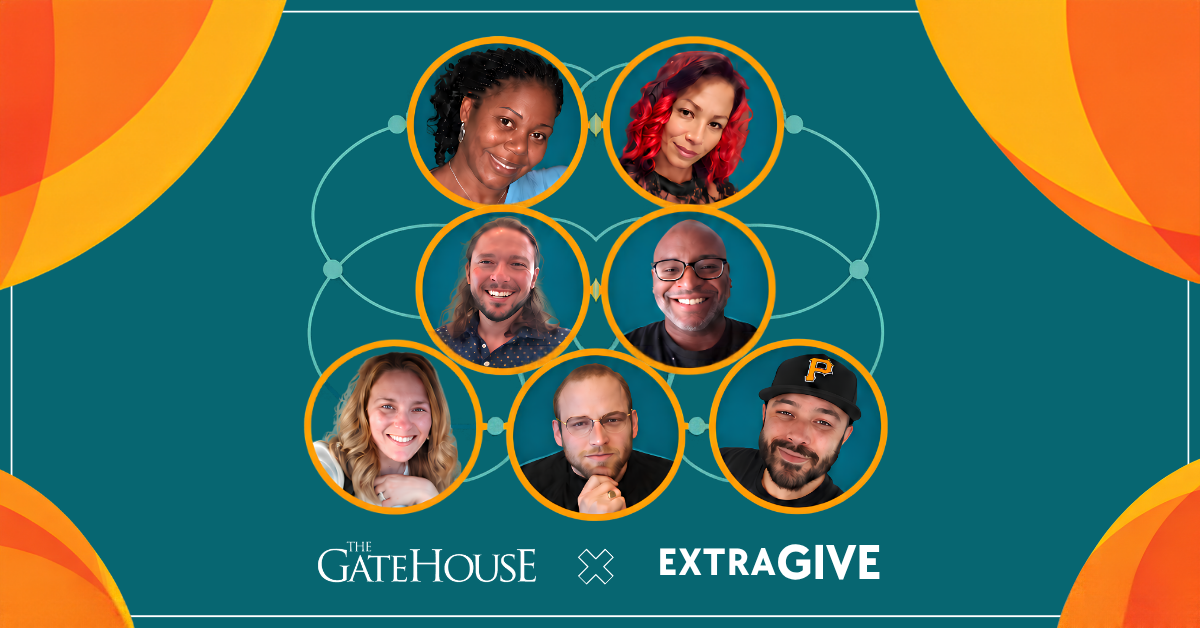
These connections are central to The GateHouse’s work and the inspiration behind our 2026 Extraordinary Give theme, The People Who Connect Us.
Your contribution during this year’s ExtraGive helps sustain the programs and services that support individuals as they rebuild their lives, develop independence, and strengthen their connections to the community.
If you or someone you care about is ready to begin a recovery journey, contact The GateHouse to learn about available programs and support. Those who want to strengthen recovery in Lancaster County can follow The GateHouse as we prepare to share more about this year’s ExtraGive campaign.


 September is