Open post Stability, Purpose, and Connection in Long-Term Recovery

Stability, Purpose, and Connection in Long-Term Recovery

Recovery Is More Than Avoiding Relapse

For someone recovering from substance use disorder, going another day without drugs or alcohol can be an important accomplishment. But it’s how you spend that new day that makes all the difference.

  • Did you go to work?
  • Spend time with family?
  • Attend a recovery meeting?
  • Make progress toward a personal goal?
  • When something went wrong, were you able to manage the situation without returning to substance use?

Avoiding relapse is an important part of the process, but long-term recovery involves more than not using substances. It also means addressing the circumstances, behaviors, relationships, and challenges that influence a person’s ability to live a healthy, fulfilling life.


The Difference Between Abstinence and Recovery

Abstinence generally refers to refraining from using alcohol or other substances. For people recovering from substance use disorder, it is a central goal and an essential part of maintaining their health.

Recovery is much broader.

According to the Substance Abuse and Mental Health Services Administration (SAMHSA), recovery is a process through which individuals improve their health and wellness, lead self-directed lives, and strive to reach their full potential.

There are four major dimensions of recovery:

  • Health: Managing substance use disorder while making choices that support physical, mental, and emotional well-being.
  • Home: Having a stable, safe place to live.
  • Purpose: Finding meaning through employment, education, family responsibilities, volunteering, or other activities.
  • Community: Developing relationships that provide friendship, encouragement, accountability, and support.

Someone may remain abstinent, yet still struggle with unstable housing, unemployment, isolation, or mental health challenges. Addressing those problems is part of recovery, too.

Likewise, someone may experience setbacks while making meaningful progress in other areas of life. Recovery is not always a straight line, and a brief return to substance use doesn’t necessarily erase the progress someone has made.


The Everyday Work of Recovery

Substance use disorder can disrupt nearly every aspect of a person’s life, from employment and finances to relationships and healthy routines. Stopping substance use doesn’t automatically resolve those problems.

Someone leaving treatment may need to find a job, arrange transportation, manage household expenses, and rebuild relationships. At the same time, they’re learning to handle everyday stress without returning to substance use.

At The GateHouse, residential extended care and transitional living programs help individuals develop the practical skills and habits needed for independent living.

  • Getting to work on time helps establish consistency and accountability.
  • Managing a budget builds financial independence.
  • Participating in household responsibilities reinforces cooperation and reliability.


Rebuilding Trust and Finding Connection

For some individuals, years of substance use have damaged relationships with friends, spouses, children, or other family members. Rebuilding trust takes time, and reconciliation is not always possible or appropriate.

It often begins with changes in behavior rather than promises:

  • Showing up when expected
  • Following through on commitments
  • Respecting boundaries
  • Communicating honestly

Steps like these gradually demonstrate personal growth. At the same time, individuals in recovery may need to reassess relationships and social environments that no longer support their well-being.

Peer support groups, sponsors, mentors, counselors, and others with lived recovery experience can provide accountability, guidance, and opportunities to build healthy relationships. They can also help individuals recognize unhealthy patterns and develop better ways of responding to stress.

They provide opportunities to develop friendships, practice healthy communication, and experience the sense of belonging that makes life more fulfilling.

Over time, people who once depended on that support may find themselves providing it to someone else.


Finding Purpose Beyond Substance Use

Employment can provide income, routine, responsibility, and opportunities to contribute. But purpose isn’t limited to a paycheck. It can also come from pursuing an education, reconnecting with family, volunteering, or helping others in recovery.

Someone who previously structured their day around obtaining or using substances may need to develop new routines, interests, and relationships.

At The GateHouse, helping individuals discover those interests and develop greater independence is part of preparing them for life beyond structured care.


Recognizing Growth Along the Way

Milestones marking time without substance use are worth celebrating, but they aren’t the only way to measure progress.

Someone who once struggled with conflict may learn to have difficult conversations without becoming overwhelmed. A person who had trouble maintaining employment may begin showing up consistently. A parent may gradually rebuild trust with a child.

These are meaningful signs of recovery, even when they’re difficult to quantify. And because life’s challenges don’t disappear after treatment, neither does the need for ongoing recovery support.


The People Who Help Make Recovery Possible

Recovery depends on more than individual determination. Counselors, sponsors, family members, employers, and community supporters all play important roles, whether they’re providing guidance, helping someone find employment, or assisting with basic needs.

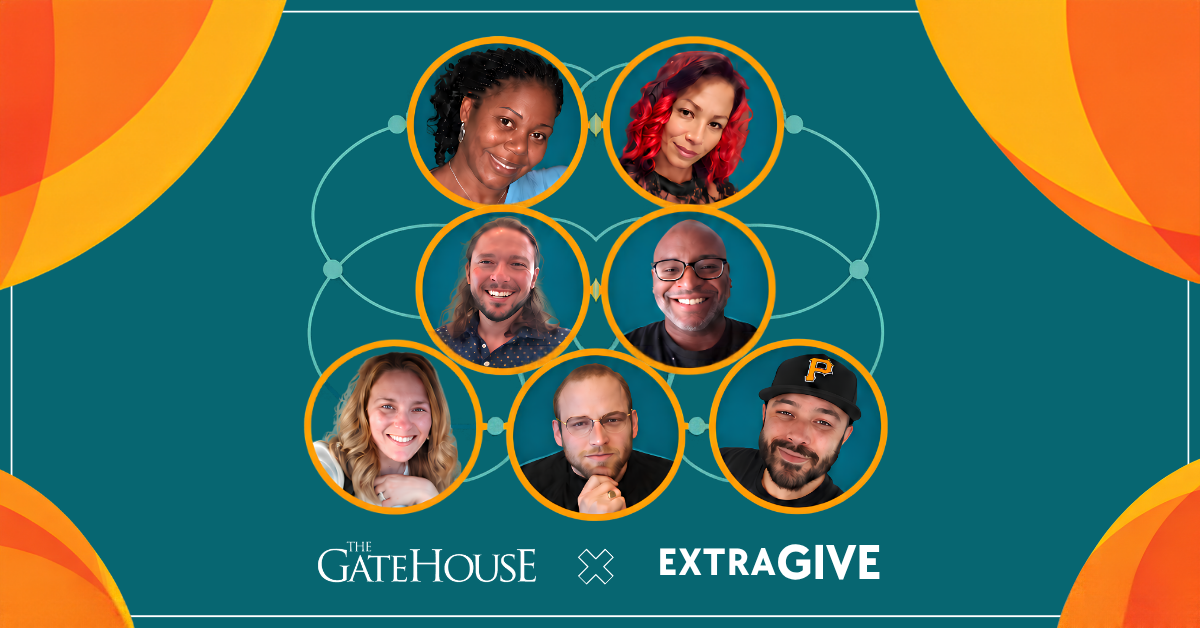
These connections are central to The GateHouse’s work and the inspiration behind our 2026 Extraordinary Give theme, The People Who Connect Us.

Your contribution during this year’s ExtraGive helps sustain the programs and services that support individuals as they rebuild their lives, develop independence, and strengthen their connections to the community.


If you or someone you care about is ready to begin a recovery journey, contact The GateHouse to learn about available programs and support. Those who want to strengthen recovery in Lancaster County can follow The GateHouse as we prepare to share more about this year’s ExtraGive campaign.


 

Open post Peer support in addiction recovery at The GateHouse Lancaster PA

Recovery Happens Together: Peer Support in Addiction Recovery

The GateHouse Jere Stabley
Jere Stabley

The GateHouse was built on the idea that peer support in addiction recovery — people using their own experience to help others — is one of the most powerful forces in lasting change.. More than five decades ago, Jere Stabley and a group of friends spent their Tuesday and Wednesday evenings and much of their Saturdays working on a house in Lititz.

It needed to be cleaned and painted. The floors needed work. For about five months, the group did much of it themselves.

They were building the first home of what would eventually become The GateHouse.

The need was real. Lancaster had no place where people could go after completing acute rehabilitation to find continued recovery support as they began rebuilding their lives. Jere understood that need personally. He had entered Alcoholics Anonymous several years earlier and met many fellow founders of The GateHouse there.

For them, creating The GateHouse was a way of taking what they had learned through their own experiences and using it to help the people coming behind them. “It felt good to give something back to the community after taking so much,” Jere later recalled. More than 54 years later, that idea remains woven into the work of The GateHouse.


Recovery Happens Together

The GateHouse National Recovery MonthSeptember is National Recovery Month, and one of the themes of the Substance Abuse and Mental Health Services Administration’s 2026 campaign is “Recovery Happens Together.”

The message recognizes something The GateHouse has understood since its earliest days: recovery requires deeply personal effort, but that effort can be strengthened through relationships, structure, opportunity, and community.

Last month, we explored the people who can become part of a strong recovery support network. Counselors, case managers, sponsors, peers, family members, employers, and others can each play a different role in helping someone move forward.

Those connections can have an impact beyond the person receiving support. Sometimes, the person being helped today becomes the person helping someone else tomorrow.


When Support Comes Full Circle

The GateHouse Yannick Harris
Yannick Harris

Throughout The GateHouse’s history, paying it forward has been part of the recovery process.

Yannick Harris once came to The GateHouse needing structure and accountability in his own life. Curfews, daily commitments, and program expectations helped provide consistency while he worked through the early stages of recovery. Over time, his role changed.

Yannick eventually returned to The GateHouse as a counselor, putting his own experience to work helping people travel a road he already knew.

Meagan Halbleib, a recovery specialist at The GateHouse, has had a similar experience. Her own recovery now informs the work she does with others.

Working at The Gatehouse allows me to use my lived experience in recovery to help others be successful in their recovery,” she said. “Working here has given purpose to my life.”

The GateHouse Meagan Halbleib
Meagan Halbleib

Not every recovery story follows the same path because no two journeys begin exactly the same way. But for some people, recovery creates a deeper understanding of what another person may be going through. They remember the fear, uncertainty, frustration, or shame that can accompany those early steps because they have felt those things themselves.

For others, it leads to a career in behavioral health or recovery services. Others may become sponsors or mentors. In many cases, it can be something less formal: listening, sharing perspective, providing encouragement, or simply showing someone that another life is possible.

What was once given to them becomes something they can pass along.


The Value of Peer Support in Recovery: Someone Who Has Been There

Professional treatment, counseling, case management, and other services remain essential parts of recovery, but lived experience brings something different to the table.

Someone who has traveled through recovery may understand the raw fear of starting over, the frustration of being held accountable, the difficulty of changing familiar patterns, or the uncertainty of trying to build an entirely different life.

For someone just beginning that journey, there can also be empowerment in meeting another person who has already traveled farther down the road and seeing how they’ve succeeded. They’re evidence that change is possible. It could be a sponsor at a meeting, a peer offering support, a counselor drawing on personal experience, or simply someone willing to listen without judgment.

At The GateHouse, mentorship like this reaches all the way back to Jere and the people who helped establish the organization. They knew what it meant to need support while rebuilding a life. So, they created a place where others could find it.


A Community That Keeps Giving Extra

What happens inside a treatment or recovery program lays the foundation. But eventually, recovery has to live in the world outside of it.

That’s where the larger community becomes important.

A person rebuilding a life may need an employer willing to offer an opportunity, a family member ready to rebuild trust, a recovery group that can provide belonging, or a community organization that can help solve a practical problem.

These connections can be life-changing and enduring, or they can be much smaller and temporary. Either way, they’re beneficial. Over time, the person who once benefited from those connections may find themselves in a position to offer that same support to someone else. It’s part of what makes a recovery-ready community so powerful. The impact doesn’t stop with the person receiving help.

Lancaster County has been part of that story since the beginning of The GateHouse. The organization itself grew out of people in recovery recognizing a need in their community and deciding to do something about it.

Today, families, employers, treatment professionals, recovery organizations, community partners, volunteers, and supporters continue to help create the conditions in which recovery can take hold and people can build lives they want to sustain.


The People Who Connect Us

That idea will continue to guide The GateHouse as we move toward this year’s ExtraGive and our theme, The People Who Connect Us.

For more than five decades, people have helped connect individuals at The GateHouse with care, accountability, opportunity, resources, and one another. Some are professionals. Some are family members, employers, sponsors, peers, or friends. And some know exactly what it feels like to need that connection because someone once provided it for them.

That was true when Jere Stabley and his friends began working on a house in Lititz more than half a century ago. It remains true today among people like Yannick and Meagan.

The faces may change, but the act of paying it forward does not.


If you or someone you care about is ready to begin a recovery journey, contact The GateHouse to learn about available programs and support. Those who want to strengthen recovery in Lancaster County can follow The GateHouse as we prepare to share more about this year’s ExtraGive campaign.

Scroll to top