
Open post Natasha’s Recovery Journey

From Chaos to Clarity: Natasha’s Recovery Journey

Natasha's Success Story with The GateHouseWhen Natasha McCall walked through the doors of The GateHouse the day after Christmas in 2018, she didn’t know she was entering the place that would transform her life. She had other plans … and those plans included palm trees and sunshine.

“Right when I got there, I told my counselor I was going to Florida,” she said. “I said coming to The GateHouse was just a temporary insurance thing.”

But the only program that accepted her was The GateHouse. And, as it turns out, that was exactly where she needed to be.

A Childhood in Turmoil

Natasha’s story begins in a whirlwind of instability.

By the time she entered kindergarten, she and her mother had moved 12 times. She was raised amid emotional chaos by a mom whose fear of the Rapture colored every corner of their world. Shuffled between her mother’s religious fervor and her churn of romantic relationships, Natasha was often left to her own devices.

Her first drink came at age 11, handed to her by a family member.

“I didn’t even really understand how it made me feel,” she said. “I just liked that I fit in. I didn’t feel self-conscious. I didn’t have to feel my feelings.”

What started with alcohol quickly escalated to hallucinogens, pills, and even heroin—all before she was even 16.

“It just kept progressing,” she said. “And it didn’t stop for 25 years.”

Motherhood at 15
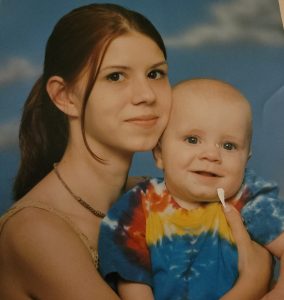
Natasha and her sonAt just 15 years old, Natasha became a mother and immediately felt the weight of responsibility settle on her shoulders. She was desperate to provide some sense of stability for her newborn son.

“So, I did what any 15-year-old trying to build a family might think to do,” she said. “I got married.”

The marriage wasn’t to her child’s father, but to a 19-year-old man she barely knew. The relationship was rocky from the start. Both were struggling with substance use, and Natasha was still a child herself. The marriage lasted just six months.

“I had just turned 16 when we got married, and it ended that December,” she said. “It was like we were just playing house. We had no idea what we were doing.”

Still, Natasha tried to do the right thing. She got her GED, became a nurse’s aide at 17, and tried to raise her son with whatever stability she could muster.

Then, tragedy occurred. When her son was four, his biological father suddenly reappeared and took Natasha to court to gain visitation rights. On his very first overnight visit, the boy’s father abused him. It was a significant enough event that the man was arrested, convicted, and sentenced to 20 years in prison.

The experience was devastating for Natasha.

“I was already doing everything I could just to survive and be a good mom,” she said. “But that moment broke something in me. It was one of those things you don’t bounce back from—you just carry it differently.”

Transitioning to “Adulthood”

As she entered her 20s, Natasha did her best to cope. She kept working, raising her son, and searching for some semblance of order in her life. But the stability she longed for always seemed just out of reach.

Amid the chaos, she leaned on something she thought was safe: prescription medication.

“I figured if it was prescribed, it had to be okay,” she said. “I was taking Xanax, Valium, painkillers—whatever the doctor gave me. Every day.”

To the outside world, it looked like she was functioning. She had a steady job, paid the bills, and tried to keep life moving forward. But underneath it all, the pills were helping her maintain a fragile version of normal.

“I wasn’t partying,” she said. “I was surviving. But I can see now that I was abusing those meds. I just didn’t want to feel anything.”

By her 30s, things began to unravel. Her substance use disorder was no longer something she could control or conceal.

“I was getting high at work,” Natasha said. “I was missing events. Stealing from jobs. It was constant.”

Hitting Bottom

Even as her life spiraled, Natasha kept trying to “fix” things on her own. She swapped one substance for another, moved from place to place, all the while going on and off methadone.

A turning point came when her mother became gravely ill.

In the hospital for months, her mother’s health issues coincided with Natasha’s own deepening spiral. Sleeping in cars, staying with drug dealers, and ultimately losing a pregnancy due to her inability to stay clean, Natasha found herself homeless and alone in a Rutter’s parking lot.

“I had no money, no drugs, no one to call,” she said. “Weirdly, I had an NA book in my glovebox. I don’t know why. I really don’t. But I started reading.”

She picked up the phone and called Cove Forge. They had a bed. She went that same night.

“You have to understand—that never happens,” Natasha said. “You don’t just call a place like that and get a bed the same day. It honestly felt like divine intervention. Like something—someone—wanted me to live.”

The GateHouse Changes Everything

Although she had been to Cove Forge before, Natasha had never stayed through the program. But this time, something was different.

“I just knew I couldn’t go back to the life I was living,” she said.

Natasha and her friend from The GateHouseShe completed detox, stayed for rehab, and entered the partial program. Her next plan? Florida.

“My plan was to go recover in Boca Raton,” she said, laughing. “I thought I’d start fresh in the sunshine, maybe stay with my sister. That was the dream.”

But her insurance had other ideas—it required her to stay in Pennsylvania. She applied to several halfway houses across the state. All of them turned her down.

Except one.

“The GateHouse was the only place that said yes,” Natasha said. “And honestly, it was the best ‘no’ I ever got.”

When the doors of The GateHouse opened to her on that cold day in December, Natasha had no idea what she was walking into.

“I thought I’d just be living in a house, going to some meetings,” she said. “Instead, they handed me a chore list and told me I had to cook dinner for 27 women.”

A Moment of Truth

Despite the challenge, she leaned in.

“It was like everything I missed in childhood,” Natasha said. “There was a routine. I had responsibilities. But I was a part of something. I learned how to make my bed, do my own laundry, and be accountable.”

She stayed in Residential Extended Care for four months before progressing to Gatehouse Transitional Living. There, she found not just recovery—but clarity, purpose, and connection.

After her time at The GateHouse, Natasha moved to Columbia, PA, and things began to shift. She entered a relationship and moved in with a partner who was still actively using. The environment became toxic, and Natasha found herself slipping away from the practices that had kept her grounded.

The GateHouse alum Natasha“I wasn’t calling my sponsor. I wasn’t going to meetings,” she said. “I was still trying to hold things together, but I wasn’t doing the work.”

Eventually, she relapsed, and, probably due to her long period of abstinence, she overdosed.

Fortunately, her best friend, whom she had met during her time at The GateHouse, was also living with them at the time. Unlike Natasha and her partner, Natasha’s friend was still in recovery and wasn’t using. She was the one who stepped in.

“She gave me Narcan and did CPR,” Natasha said. “She saved my life.”

The moment jolted her back into focus.

“That was my jarring experience,” she said. “It shook me awake.”

Natasha and her partner moved to the City of Lancaster, but within a few weeks her partner moved out and Natasha recommitted fully to her recovery. She attended 90 meetings in 90 days, reconnected with her sponsor, and rebuilt the structure she had learned during her time at The GateHouse.

Building a New Life

Today, Natasha is thriving.

While she still lives in the same apartment she moved into after recovery, she works full-time in accounting and is pursuing her bachelor’s degree in behavioral science, with plans to earn a master’s in mental health counseling.

Most importantly, she’s become a pillar of strength in her family. Her son—now an adult—is in therapy and navigating his own healing journey. Her sister has reduced her drinking. Even her mother has become more open about addiction and recovery.

“I went from being the cautionary tale to being the inspiration,” Natasha said.

Looking Forward

Natasha plans to become a therapist whose focus areas are trauma and substance use disorder. She’s already begun to use her story to help others.

“Recovery gave me the space to grow, to go through phases, and to be loved through them,” she said. “I missed a lot growing up. Now I get to reclaim that.”


The GateHouse is here for you—whether you need outpatient support, transitional living, or residential extended care programs. If you’re looking for help now, give us a call at 717-393-3215 or reach out to us today to get started.


 

Open post "Bob Esque sharing his drug addiction recovery journey at The GateHouse Lancaster PA

Rewriting the Future: Bob’s Journey to Recovery

Bob Esque profileAt 32, Bob Esque lives a life that once felt unimaginable. He’s a small business owner, a proud father, and is preparing to marry the love of his life.
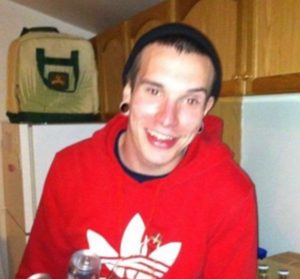
But behind his grounded, hopeful present lies a chaotic past filled with substance use, repeated incarcerations, and fractured relationships.

“I was willing to be anybody who wasn’t the old me,” Bob said. “As long as I didn’t become that guy again, I was all right.”


The Thirst of Adulthood

Bob’s story doesn’t begin in trauma. Raised in Chester County in what he described as a typical “functional” home, he saw alcohol as a symbol of adulthood.

“The men drank beer, the women drank wine,” he said. “That’s what we did.”

Eager to be seen as older and more mature, Bob had his first beer at age 11, handed to him by his father with a quiet “don’t tell your mother.”

That early exposure laid the groundwork for a long and dangerous relationship with alcohol. When he couldn’t get beer, he turned to marijuana. By his mid-teens, his substance use had deepened, and when he was around 15 or 16, his mother eventually kicked him out of their Chester County home. He spent about six months couch-surfing with friends, some whose parents turned a blind eye, others who normalized the behavior entirely.

“We’d skateboard, ride dirt bikes, play basketball, but eventually, all we did was drink,” he said. “Alcohol took over completely.”

At some point, though, Bob said he noticed that even the people he partied with were pulling away.

“Even some of my friends at the time, even they were pushing me away,” Bob said. “And I’m like, ‘Whoa. If he doesn’t even want anything to do with me, this has got to be pretty bad.'”

And yet, the chaos continued.


The Spiral from Teenager to Inmate

Bob before recovery with The GateHouseHis senior year of high school was marked by increasingly severe legal troubles, including marijuana possession charges and burglary. His first stint in Chester County Prison came during gym class, where officers came to his school, arrested him in front of everyone, and put him in handcuffs.

“I was terrified,” Bob said of his first experience with jail. “I’m in there with adults. I had only turned 18 two months ago … and now I’m in there with guys who had been doing this forever. ”

He was fortunate, however. Prosecutors allowed him to enter Chester County’s drug court program. But after a year and a half, he hadn’t even gotten through the first three-month benchmark.

“I was hanging out with the same people, going to the same house parties,” Bob said.” I was sober, but not in recovery. I was still very much in the game.”

At one point, he found himself in a high school classroom wearing an alcohol monitor that buzzed during lessons. Still, he finished school and earned his diploma—one of the few bright spots during this early dark period.


The Breaking Point

Bob’s turning point came not with a single catastrophic event, but through a series of mounting realizations. One moment of self-awareness—when he realized he had more experience with incarceration than a man twice his age—marked a shift in how he viewed his life trajectory.

“I was 20 years old and in Chester County Prison for like the seventh or eighth time,” he said. “One day, there’s, like, this 45-year-old man who’s in there for the first time. You could tell he wasn’t made for prison. And there I am, calming him down, telling him what’s going to happen next. It was bizarre. That’s when I first realized, ‘This is my life.’”

By the time he returned for his ninth incarceration before age 23, Bob was unraveling. When he was released in early December, he was lost, friendless, and hopeless. On Christmas Eve, desperate to escape his addiction but unable to trust himself on the outside, he walked into the state police barracks and asked to be arrested.

“They looked at me and said, ‘Kid, go home. It’s Christmas Eve,’” Bob recalled. “I actually wanted to go to jail, and they wouldn’t take me.”

It was one of the lowest points of his life. Lost, alone, and hopeless, not even alcohol could help him anymore, he said.

“It was still giving me all the physical effects, but none of the relief,” Bob said. “My only solution to life had stopped working.”

Finally, his probation officer called him to tell him the warrant he had been asking for had been issued. On January 31, 2016, he turned himself in for what would turn out to be his last stretch in prison.

Those first few weeks in jail were his worst. He had given up alcohol, his substance of choice, and his abstinence only exacerbated the experience. He hallucinated, couldn’t differentiate dreams from reality, and trembled through withdrawal. As scary as it was, he was resolute and determined.

“Finally, I felt safe … from myself.”


The GateHouse

Bob at The GateHouseAfter seven months in jail and a 90-day stay at Colonial House rehab in York, Bob’s counselor mentioned a place called The GateHouse in Lititz.

“I said, anywhere but home,” he recalled. “Send me anywhere but back to what I’m used to.”

He arrived at The GateHouse and quickly immersed himself in the program.

“The in-house meetings, the counseling, the structure—I knew I needed it,” he said. “Even the packet work everyone hates—I did it because I knew it was necessary.”

He completed his three-month stay and transitioned into The GateHouse’s Recovery Environment Integration program (which is now GateHouse Transitional Living) for four more months.

That structure, and the support it provided, helped Bob rebuild his life with intention.


Rebuilding and Giving Back

Today, Bob owns a lawn care business, shares a home with his fiancée, and is a dedicated father. He still works occasional hours at the job he first held while at The GateHouse, as well—proof of the relationships and trust he’s built over time.

“I was that guy in jail who knew the routine, telling others what would happen next,” he said. “Now, I go back to The GateHouse—not as a resident, but to offer jobs to people who are living there and working the program. Three of them are working for me right now.”

Bob’s relationships have transformed, too. Once considered unreliable, he’s now known for his integrity.

“I’ve been told I’m really good at setting boundaries,” he said with a chuckle. “But mostly, I just try to be honest. That honesty brings the right people into my life.”

He’s also made peace with his past. Though his mother still chooses not to be in contact, his father, still quiet and cautious, calls him secretly every year on his birthday.

“He cares,” Bob said. “He just doesn’t want to fight. And I get that now.”


A Future Worth Fighting For

For Bob, success isn’t just about staying on the recovery path; it’s staying open to growth, new experiences, and meaningful relationships. He’s living proof that recovery is possible and that with the right support and structure, anyone can reclaim their life.

“I still don’t know who I am fully,” he admitted. “But I now know who I’m not—and that’s enough.”


The GateHouse is here for you, whether you need outpatient support, transitional living, or residential extended care programs. If you’re looking for help now, give us a call at 717-393-3215 or reach out to us today to get started.


Open post yannick-before-The-GateHouse, Yannick-Harris-sponsor, Yannick-Harris-Mother-Kids

From Structure to Freedom: Yannick’s Recovery Journey

Yannick Harris’s path to recovery wasn’t one he chose—at least not initially.

“I definitely wasn’t at a point where I was ready to stop,” Yannick said, recalling his mindset when his journey began. “I didn’t really know what rehab was, other than commercials of Passages Malibu in California. I think I probably kind of looked at it like it would be a vacation, honestly.”

Today, Yannick is celebrating his tenth year of sobriety and has come full circle. He now works as a counselor at The GateHouse—the very place that helped him establish his foundation in recovery. But his journey there was anything but straightforward.


The Unexpected Intervention

Yannick’s struggle with substances began in high school with alcohol. By college, his drinking had “taken off,” as he described it, and he got involved in legal trouble—primarily for selling drugs. His substance use deepened over time, eventually leading to harder drugs.

It was his mother who first confronted him about his addiction.

Yannick Harris before The GateHouse“I was probably about 40 pounds underweight,” Yannick said. “I was always really close with my mom since I was a kid, so she just asked me what was going on, and something told me to be honest with her.”

His mother responded first with tough love, telling him he couldn’t be around her house if he was using. But shortly after, she called with a different approach: she wanted him to go to rehab. Through connections with his uncle in Florida, arrangements were made for Yannick to enter treatment.

Unfortunately, the Florida experience quickly fell apart. What had been described as a solid treatment plan turned out to be disorganized and unavailable. After arriving in Florida, Yannick discovered there wasn’t actually a bed reserved for him. Though he eventually found a detox center, against medical advice, Yannick left after just three days. He wound up using again on the streets before flying back home to Pennsylvania.

What Yannick didn’t know was that his mother had other plans when he returned from his brief, unsuccessful stint in Florida.

“My mom had arranged for me to go to rehab without me knowing,” he said. “So, I get on the plane back to PA, land at the Lehigh Valley International Airport, and get into the car. I guess I fell asleep because when I woke up, there was this old man there to take me to rehab.”


Finding Structure at The GateHouse

After 103 days at the Conewago Snyder treatment center in Beavertown, PA and 25 days in a partial program at Cove Forge in Williamsburg, PA, Yannick finally arrived at The GateHouse. Still not fully invested in recovery, he was initially drawn to the practical aspects of the program.

“The most enticing thing you hear is that you could start working, you could take family passes, and things like that,” Yannick said. “I wasn’t even necessarily looking at it as, ‘I’m going to continue to work on myself internally.’ I was more so like, ‘Okay, I get one step closer to being done with all this stuff.'”

Despite his initial reluctance, the structure at The GateHouse became the foundation of Yannick’s recovery. Two elements stood out to him: learning healthy communication through The GateHouse’s “pull-up system” and getting involved in Alcoholics Anonymous (AA).

“The biggest thing was getting involved in AA, which I actually procrastinated with in a lot of ways until right before it was time for me to go,” he said.


The Turning Point

Yannick Harris AwardYannick’s true recovery journey didn’t begin until he was nearly ready to leave the residential program at The GateHouse. With just two weeks left before moving to a transitional living house, he still hadn’t secured a sponsor or a job—both requirements for the next phase.

“The whole clinical team met with me and pretty much said, ‘Listen, you’re self-sabotaging,'” Yannick recalled. His counselor issued an ultimatum: get a sponsor that night or risk losing his place in the recovery house.

This moment of accountability became the catalyst for Yannick’s genuine recovery. He asked someone who had been giving him rides to meetings to be his sponsor—someone he already had a relationship with.

“That sponsor I called daily,” Yannick said. “I started doing step work. I would say that was the start of my recovery, even though I already had four or five months abstinent at that point.”


Building a New Life

Yannick's mother and kids

Yannick stayed in the transitional living program at The GateHouse for 15 months, following the structure that had been established and continuing his involvement with AA. His approach was simple but effective.

“I just followed the rules,” he said. “And because I followed the rules, one day I woke up and I was a different person. It’s kind of hard to explain how I really got there, other than I followed the rules and got connected to AA as a result.”

After leaving transitional living, Yannick secured his own apartment and continued working at Our House Cafe, where he had risen to a management position. Eventually, his personal life stabilized as well—he reunited with the mother of his children for a time and regained custody of his kids, who had been living with his mother for several years.

Though his relationship eventually ended, Yannick maintains shared custody of his children, now ages 12 and 11, alternating weeks with their mother.


Coming Full Circle

Yannick’s professional journey led him first to The Retreat, where he progressed from Clinical Aide to Patient Care Coordinator (Case Manager) and ultimately to Behavioral Health Technician Manager for his final three years there. During much of this time, he simultaneously worked part-time at The GateHouse—a position he held for four years before focusing solely on his role at The Retreat.

Yannick as Fear from Inside OutWhen The Retreat unexpectedly closed last year, Yannick found himself drawn back to The GateHouse, where he now works as a counselor—helping others on the same journey he once traveled.

“The deciding factor was knowing the people there,” Yannick said. “I knew the person who would be my supervisor. I knew several people who were still there… they’re great people, and I love them all. It was just an easy decision.”

While continuing his work at The GateHouse, Yannick is also pursuing further education at Millersville University, building on the associate degree in social services he earned from HACC. Though he’s certain about his passion for social work, he’s considering moving beyond direct client work to focus on policy and grant writing.

“I would actually like to get involved more on the macro level,” he said.

Reflecting on his journey, Yannick acknowledges the many people who helped him along the way—from his mother who set firm boundaries, to the staff who held him accountable, to the AA members who showed up offering rides to meetings.

For Yannick, what began as merely following rules to avoid homelessness transformed into a life of meaning, connection, and service.

“Sometimes recovery finds you,” Yannick said, “even when you’re not looking for it.”


The GateHouse is here for you, whether you need outpatient support, transitional living, or residential extended care programs. If you’re looking for help now, give us a call at 717-393-3215 or reach out to us today to get started.


Open post Hallie's Journey to Recovery

From Survival to Revival: Hallie’s Journey to Recovery

At age 41, Hallie Franceschi never thought she’d be here.

After decades trapped in addiction, multiple incarcerations, and losing custody of her children, she now wakes up each morning in her Mountville home with something she never had before: choices.

“I never thought that I would ever be here,” Hallie said, her voice filled with a combination of relief and disbelief. “The fact that I get to wake up today and decide what I want to do—and I can change my mind tomorrow if I want—I can do that now.”

But the path to this point was anything but straight.

Early Descent

Hallie’s struggle with addiction began early—around age 11 or 12. There was no gradual progression, no slow descent into substance use. As she put it, “It was off to the races as soon as I started.”

While her peers experimented with alcohol or marijuana, Hallie quickly gravitated toward harder substances … pills, heroin, “anything I could get my hands on,” she said. Even then, she felt like an outsider—someone missing what everyone else seemed to have.

“I could be in a room of my peers and just not feel part of the group,” Hallie said. “I always just felt like an alien, like I was missing something that everybody else was getting.”

Growing up in what she describes as a “good house” with working parents—her mother a nurse, her father a mental health services worker—Hallie was “the last person anybody would have thought would grow up and be a heroin addict.” Her parents’ divorce during her early teens created plenty of emotional turmoil, but it also created something else, too: opportunities for her addiction to flourish under decreased supervision.

The Spiral Continues

Despite her struggles with substances, Hallie managed to excel academically, taking accelerated classes and graduating high school. She even earned acceptance to the University of Pittsburgh, where she planned to study marketing and advertising design. But the pull of addictive substances proved stronger than her academic ambitions.

“I wasn’t able to show up for any of it,” she said. “Could I pass things? Could I write papers? Yes. I could kind of white-knuckle my way through it. But I could only go so far with that before professors were like, ‘All right, I don’t know what you’re doing, but you can’t do this.'”

Years of Survival

What followed was decades of what Hallie described as “living like an animal.” Her world shrank to a singular focus: drugs—how to get them and what she needed to do to obtain them. Everything else fell away.

The cost was devastating. She lost custody of her three children. Multiple arrests led to years of incarceration. Despite attempts to enter recovery and maintain sobriety through various programs, nothing stuck.

“I had completely accepted that this is what my life had become,” she said.

The cycle of substance abuse led to increasingly dangerous situations. She faced multiple DUIs, assaults, and other charges.

“Chaos was just kind of my jam,” she said, reflecting on years spent cycling through jail stays, failed attempts at stability, and deeper descents into addiction.

Rock Bottom and Beyond

Even during periods of apparent stability—maintaining jobs as an executive assistant or in commercial cleaning—her addiction always won.

“Who wants to show up for work?” she remembered thinking. “I want to go out and do drugs.”

The pattern seemed unbreakable until her final incarceration. This time, the court offered early release on one condition: she had to go to rehab. This ultimatum led her to Colonial House in York, PA, where she spent three months. It was there she first heard about The GateHouse and faced a fork in the road.

“I still had a home to go back to,” Hallie said, “but I knew if I did, it was just going to be the same thing. So, I took a leap of faith, listened to a couple of people, and ended up at The GateHouse.”

Finding Her Way at The GateHouse

When Hallie arrived at The GateHouse in May 2021, she said she was “a shell of a person.”

“I had nothing. I didn’t even have myself,” she recalls. “I wasn’t capable of holding a job. My clothes were disgusting. I had just spent the last 25 years surviving.”

The GateHouse became more than a recovery program for Hallie—it became a bridge back to humanity. Staff members helped her navigate the basics of modern life that had passed her by during years of substance abuse and incarceration. Simple things like electronic payments at stores or using ride-sharing apps were foreign concepts.

“They took me out and just showed me the world with this whole different mindset,” Hallie said. “They showed me that I can fit in somewhere without the use of drugs.”

Learning to Live Again

The program introduced Hallie to activities she’d never experienced before—bowling, miniature golf, movies with friends.

“These were not things that I did,” she said. “Just participating with other people that were staying straight and didn’t want to get high anymore, it was strange. Getting through all of that weird, awkward stuff was uncomfortable, but I did it.”

Through The GateHouse’s programs, Hallie progressed from Residential Extended Care to GateHouse Transitional Living. Each step built upon the last, helping her develop crucial life skills and self-confidence.

“They showed me how to do things for myself,” she said. “Nobody did anything for me. They just showed me what I could do. That empowerment—I can’t even explain how much that meant to me.”

Building a New Life

Today, Hallie has her own place, shares her home with a roommate she met at The GateHouse, and works at an aerospace engineering company. More importantly, she’s exploring new career possibilities that align with her desire to give back to others. She’s even reconnected with one of her children.

Her goals have evolved as she’s grown in recovery.

“Things that I thought I wanted, I no longer want,” she said. “I’m trying to find a job, a career that is more authentic to who I am and what I can contribute. That’s become super important to me.”

The Power of Support

As Lancaster County’s Extraordinary Give approaches, Hallie’s story exemplifies why The GateHouse is so vital. The transformation from survival to revival doesn’t happen in isolation—it requires support, structure, and a community that believes in second chances.

“Everybody deserves a chance at success,” Hallie said. “If I can do this, and if my life can change because of a place like GateHouse, it can happen for anybody. I’m not special. There are so many people just needing that little bit of extra encouragement, those little glimmers of hope that their lives can get better.”

When asked how it feels to be at this point in her life, Hallie paused for a moment and then smiled.

“It’s nice to get to a place where I feel like I can just breathe,” she said. “I can trust in the fact that, because I put the work in, I can figure it all out without burning my life to the ground. That is a wonderful feeling.”


Hallie (right) and her roommate in their new apartment after Hallie’s graduation from GateHouse Transitional Living.


During this year’s Extraordinary Give, please join us in ‘Giving Extra’ to help community members like Hallie continue their journey to recovery and build healthy, meaningful lives. Your support helps to provide a foundation that makes transformation possible. Visit our Extraordinary Give page to bookmark our page and make a contribution on Nov. 22.


Open post Bryanna Adams reunited with her family after completing The GateHouse addiction recovery program in Lancaster PA

‘Giving Extra’ by Rebuilding a Life: Bryanna’s Recovery Story

Bryanna Adams knows how quickly substance use disorder can consume a life.

“I would have never imagined that I would have had to go through what I went through,” she said. “But in some crazy, weird way, it was meant for me to be in recovery.”

Today, at 26, Bryanna is three years into her recovery journey. She works for a treatment center, helping others find their way to recovery. But before she could help others, Bryanna had to find her own path – a path that led her to The GateHouse.


From Casual Use to Losing Everything

Bryanna Adams

Bryanna’s journey into addiction began like many others – casual use as a teenager that gradually deepened.

“I was always that person that wanted more and more and more of everything,” she said.

Growing up in Harrisburg, Pennsylvania, Bryanna came from a good family with a promising future. She was a homecoming queen, played sports, and graduated from one of the best high schools in Pennsylvania. Not long after graduation, she started college, pursuing a degree to become a licensed practical nurse (LPN).

But beneath the surface, Bryanna was struggling.

“I always knew that there was something wrong,” she said, reflecting on her tendency to get into troubling situations even before her substance use escalated.

By her early 20s, Bryanna had dropped out of nursing school without telling her family. She moved in with a boyfriend, and her drinking and casual drug use began to increase. Soon, she met people who introduced her to harder drugs.

“I left my mom’s house,” Bryanna said. “I didn’t tell her where I was going. She had no idea that these types of things were happening.”

Bryanna found herself living with a dealer, caught in a cycle of addiction that included crack cocaine, MDMA (a.k.a. ecstasy or molly), and other substances. The once-promising student was now trapped in a world she never imagined for herself.

“It got really, really ugly, really, really fast,” Bryanna said. She lost touch with her family, engaged in dangerous situations, and even turned to prostitution to support her habit.

“I was in a lot of dangerous situations,” she said. “I could have lost my life plenty of times.”


The Turning Point: A Mother’s Love and a Judge’s Decision

Bryanna Adams recovery story familyAfter years of substance abuse and multiple attempts at rehab, Bryanna’s turning point came when she faced legal consequences for violating her probation. She had been on probation since 2018 for a minor charge unrelated to her drug use, but her addiction kept her from dealing with her legal obligations.

Bryanna’s mother, desperate to help her daughter, convinced her to attend a court date, knowing Bryanna might face jail time.

“May 2, 2021, I planned everything out,” Bryanna remembered. “I told my mom. I said, ‘Okay, I’m going to go to court. I’m just gonna get myself together and make it to court.'”

Knowing it might be her last chance to use, Bryanna got as high as she could before her mother picked her up.

“I don’t even remember getting in the car,” she said. “It was just like everything was moving in slow motion.”

The judge sentenced Bryanna to 98 days in York County Prison.

“May 3, 2021,” she said. “That was the last day I used anything.”


The GateHouse: A Foundation for Lasting Recovery

Bryanna Adams recovery story The GateHouseAfter completing her jail sentence, Bryanna was sent to a rehab facility for another 98 days. It was there that she first heard about The GateHouse.

“Everybody kept telling me about The GateHouse,” Bryanna said. “It was The GateHouse this and The GateHouse that. They kept saying how it was this incredible place.”

Intrigued by what she heard, Bryanna told her counselor she wanted to go to this long-term recovery program everyone was talking about.

When Bryanna arrived at The GateHouse, she found more than just a place to stay clean. She found a supportive community, guidance for building a career, and the tools to reconstruct her life.

“The GateHouse made me feel like a person again,” Bryanna said. “The sisterhood with the women that were there was amazing. To this day, I’m still in contact with the women I met there. We really bonded. We carried each other while we were in there.”

At The GateHouse, Bryanna began to face the many emotional challenges she had been avoiding.

“I think for me, it was just like, facing them demons,” she said. “I could not face all the hurt and the pain that I put myself through, that I put my family through… the guilt was so overbearing.”

The staff at The GateHouse provided the support and structure Bryanna needed to confront these challenges.

“They just pulled stuff out of me,” she said. “They didn’t allow me to fight them. They were like, ‘Listen, we’re here to save your life. We’re here to help you get back into society.'”

As Bryanna progressed through the program, she began to rebuild her life. The GateHouse helped her find employment, reconnect with her family, and establish a foundation in recovery.

“If it wasn’t for The GateHouse, I don’t know where I would be today,” she said. “They literally saved my life.”


A Life Restored: Giving Back and Moving Forward

Today, Bryanna works at a treatment center, using her experience to help others struggling with addiction. She’s rebuilt relationships with her family, found a supportive partner who is also in recovery, and is actively involved in Narcotics Anonymous.

Bryanna’s recovery journey has brought her full circle. Her grandfather also suffered from substance use disorder and she said she remembers attending NA meetings with him as a child, making coffee for the attendees. Now, when she goes to meetings in Harrisburg, people remember her from those days.

“It’s a weird thing,” Bryanna said. “It’s like I was meant to finish what my granddad started.”

Bryanna’s commitment to helping others is a direct result of what she learned at The GateHouse.

“I have so much to give,” she said. “These were the things that we were taught at the GateHouse; help the next person, be there for somebody else.”

With three years of sobriety behind her and a new life in front of her, Bryanna continues to grow and face her challenges with the tools she gained at The GateHouse.

“I still go to meetings, I still do my step work,” Bryanna said. “I’m very involved with my sponsor. I have a lot of support—like, a lot of support–in the community.”

As she continues to focus on her recovery, her work, and giving back to others, Bryanna knows how close addiction will always be to her. And even though the desire to use drugs will never truly go away, Bryanna can envision a world where it no longer dominates her life.

“I’m finally starting to get to a place where it’s not even my first thought,” she said. “And that’s a blessing.”


The Ripple Effect of Recovery

From the depths of addiction to a life of purpose, Bryanna’s recovery story illustrates the vital role that long-term, supportive recovery programs play in changing people’s lives.

But the impact doesn’t stop with Bryanna. Every life touched by addiction affects countless others – family members, friends, and the broader community. By helping individuals like Bryanna find lasting recovery, The GateHouse creates a ripple effect of positive change that extends far beyond its walls.

As we approach this year’s Extraordinary Give, your support can help The GateHouse continue to provide the foundation for lasting recovery to individuals like Bryanna. By giving extra, you’re not just supporting an organization – you’re helping to rebuild lives, reunite families, and strengthen our community.

Join us in ‘Giving Extra’ to The GateHouse during the Extraordinary Give. Your contribution can be the turning point in someone’s journey from addiction to recovery, just as The GateHouse was for Bryanna.


To support The GateHouse and help more individuals like Bryanna find their path to recovery, please visit our ExtraGive page on Nov. 22. Every gift, no matter the size, can make an extraordinary difference in someone’s life.


Open post Staff and clients at The GateHouse's first annual addiction recovery cultural event at Long's Park Lancaster PA

Celebrating Diversity: A Look Back at The GateHouse’s First Annual Cultural Event

In July, The GateHouse hosted its inaugural addiction recovery cultural event, a day filled with vibrant cultural expressions, delicious food, and community bonding.

The event, held at Long’s Park under Pavilion One, was much more than a typical gathering. It represented The GateHouse’s commitment to fostering diversity, equity, and inclusion (DEI) within its community. It was also the result of months of planning and collaboration among dedicated staff, all driven by a shared vision of creating a space where everyone, from clients to staff to local residents, could come together and celebrate their unique backgrounds.

The Inspiration Behind This Addiction Recovery Cultural Event

The idea for the Cultural Event was born from The GateHouse’s DEI strategic plan, spearheaded by Verlina Velasquez-Millings, the Director of Compliance and DEI Coordinator.

The event was one of several goals identified during the development of the strategic plan, Verlina said.

“We started by collecting data through surveys and focus groups across the organization,” she said. “These insights helped us create a plan that would promote diversity and inclusivity within The GateHouse. The cultural event was one of the key goals, and it was exciting to see it come to life.”

The cultural event was particularly significant because it marked the first time The GateHouse organized something of this scale focused exclusively on celebrating cultural diversity.

The DEI Committee, which Verlina oversees, played a central role in the event’s planning and execution. The committee consists of roughly seven staff members, each volunteering their personal time.

Each member of the committee selected a culture to represent, bringing together foods, decorations, and experiences that would showcase the distinctiveness of that culture. This personal connection to the cultures represented added an authentic and heartfelt element to the event.

Planning and Preparation

Planning an event of this magnitude, especially when it’s the first of its kind, comes with its challenges, but Verlina said the DEI Committee approached the task with enthusiasm and a collaborative spirit.

Mariah Milani, Intake Supervisor at The GateHouse and a key member of the DEI Committee highlighted the importance of making the event inclusive. 

“We wanted to create a safe space for our clients, staff, and the community to come together,” Mariah said. “It was important to us that everyone felt welcome, regardless of their background or role at The GateHouse.”

Those taking responsibility for a specific culture took great care to represent that culture well, Verlina said.

“Mariah, for example, handled the Italian food table, getting food from a local restaurant and decorating the table to reflect Italian culture,” Verlina said. “I took on the Spanish and Mexican food tables. We also had an Indian food table, a Soul food table, and a Chinese food table, each carefully curated by our committee members.”

The event was held at Long’s Park, a spacious and scenic location that provided the perfect backdrop for a day of cultural celebration. Pavilion One, where the event took place, offered ample space for the various activities and tables, and the weather cooperated wonderfully, making it a perfect day to be outdoors.

It was held on a Friday, made open to the public, and a variety of attendees came, including clients and staff of The GateHouse and their families.

A Day of Connection and Celebration

 The event itself was a vibrant display of cultural diversity and each table offered an opportunity to not only sample different food, but also learn about different cultures. This educational aspect was an important goal for the DEI Committee, as they wanted the event to be both fun and informative.

 In addition to the food, the event featured a range of activities designed to engage attendees and create a sense of community. One of the highlights was a pottery painting station, where a local business owner set up a table with ceramic pieces for attendees to paint. This interactive activity was a hit, especially among the clients who enjoyed the creative outlet. The pieces were later fired in a kiln and returned, so participants left with a lasting memento from the event.

 Music also played a central role in setting the tone for the day.

 “We played a mix of songs that everyone could enjoy,” Mariah said. “We had some of the classic ‘wedding’ songs, like the Cha Cha Slide, which got people up and dancing. It was great to see everyone, from clients to staff to community members, dancing together and having a good time.”

The Impact on Recovery and Community Integration

One of the key goals of the Cultural Event was to support the recovery journey of The GateHouse clients. Many of the clients are in early recovery, and events like this provide a valuable opportunity to engage in healthy, sober activities.

 “A lot of our clients came from environments where social activities often involved alcohol or other substances,” Mariah said. “This event showed them that they can have fun, connect with others, and enjoy life without those things.”

 The event also provided a unique opportunity for clients to see our staff in a different light.

“At The GateHouse, we have to be serious and focused when we’re at work, but this event allowed us to interact with clients in a more relaxed setting,” Mariah said. “It was great to see clients, staff, and even alumni of our programs mingling and enjoying the day together.”

For the community, the event served as an important reminder of the role The GateHouse plays in supporting those on their recovery journey. By opening the event to the public, The GateHouse was able to engage with people who might not be familiar with our work.

“There were people in the park who stopped by because they were curious about what we were doing,” Mariah noted. “It was a great opportunity to share information about our programs and the resources we offer.”

A Collaborative Effort

The success of the Cultural Event was truly a group effort, with volunteers and staff playing an important role in making it happen. Mariah shared how each member of the DEI Committee took on specific responsibilities, from managing the different cultural tables to overseeing logistics like music, drinks, and decorations.

“We all had our roles,” she said. “Some of us focused on gathering estimates for the food, others on setting up and decorating the tables, and some on organizing the music and activities. It was a real team effort, and everyone’s contributions were vital to the event’s success.”

One of the standout moments of the day was the spontaneous dancing that broke out among the attendees.

“At one point, people just started dancing,” Verlina said. “We put on the electric slide, and it wasn’t something we had planned, but it happened organically, which was really nice to see. It showed how comfortable and connected everyone felt.”

The event also allowed The GateHouse to involve the clients in a meaningful way. Clients participated by helping with setup, decorating flags representing different countries, and even assisting with the day’s activities.

Future Plans for the Cultural Event

The success of the first Annual Cultural Event has set the stage for future events. Both Verlina and Mariah are excited about the possibilities for next year and beyond, with plans to build on the strong foundation laid this year.

“We’re already thinking about ways to expand and improve the event,” Verlina said. “One of the key changes we’re considering is holding the event on a Saturday instead of a Friday. This year, we noticed that having it on a weekday limited attendance, particularly from the broader community. By moving it to a weekend, we hope to make it more accessible to everyone.”

The DEI Committee is already brainstorming ways to enhance the event’s entertainment and engagement offerings, as well.

“This year, we focused on laying the groundwork with food and some casual activities,” Mariah said. “But next year, we want to take it up a notch. We’re thinking about bringing in live music, perhaps a local band or a step team, to create a more dynamic atmosphere. We also want to include more structured activities that can engage people of all ages.”

Another area of focus for the future is increasing the involvement of the clients in the event’s planning and execution.

“Our clients were a big part of this year’s event, and we’d love to see them take on an even more active role next time,” Mariah explained. “Whether it’s helping to prepare some of the food, creating more of the décor, or even leading some of the activities, their participation is vital to making the event feel like a true community effort.”

Verlina and Mariah also emphasized the importance of continuing to build partnerships with local businesses and community members.

“This year, we had great support from local restaurants and a pottery business, but we know there’s potential to involve even more community partners,” Verlina said. “By working together with local businesses, we can showcase the diversity of our community and create an event that truly reflects the rich cultural tapestry of our area.”

A Tradition in the Making

As The GateHouse looks ahead to future events, it’s clear that the Annual Cultural Event has the potential to become a beloved tradition, not only within The GateHouse community but also in the wider Lancaster area.

“This event was about more than just having a good time,” Mariah said. “It was about showing our clients that they are part of a larger community that supports them, and it was about showing the community that recovery is possible and something worth celebrating.”

***

If you or someone you know is seeking a recovery program that values holistic wellness, including physical health, The GateHouse is here to help. Our outpatient, transitional living, and residential extended care programs are designed to support individuals at every stage of their recovery journey.


Don’t let another day pass without taking action. Reach out to us today to learn more about how our programs can support your path to recovery.


Open post Person enjoying their first summer of independent recovery after leaving sober living

Embracing Your First Summer of Independent Recovery

As the warm days of summer bear down, individuals who have recently transitioned from sober living environments to independent recovery face a unique set of challenges and opportunities.

This progression marks a significant milestone in the recovery journey and is filled with newfound freedom and responsibility. At The GateHouse, we understand the importance of this transition and have some tips on navigating your first summer of independent recovery.

Maintain Structure Without Built-in Support

One of the primary benefits of a professional sober living environment is the structure it provides. As you move into independent recovery, creating your own structure to support your ongoing healing process should be your No. 1 priority.

Here are some ideas that can help:

  1. Establish a Daily Routine: Set regular wake-up and bedtime hours, schedule meals, and plan daily activities. This helps maintain the stability you’ve grown accustomed to in sober living.
  2. Continue with Recovery Meetings: Make support-group attendance non-negotiable. These meetings provide ongoing support and help you stay connected to your recovery community.
  3. Create a Balanced Schedule: Include time for work, recovery activities, self-care, and leisure. A well-rounded routine helps prevent boredom and reduces the risk of relapse.

Handle Increased Freedom Responsibly

The transition to independent living comes with more freedom, which can be both a blessing and a curse.

Here are some strategies to handle this newfound independence:

  1. Set Personal Boundaries: Identify your limits and communicate them clearly to friends and family. This might include avoiding certain social situations or setting limits on your time.
  2. Practice Decision-Making: Start with small decisions and gradually work your way up to bigger ones. This builds confidence in your ability to make choices that support your recovery. For major decisions that require immediate answers, don’t hesitate to reach out to your sponsor, counselor, or trusted friends in recovery.
  3. Embrace Accountability: Consider using a recovery app or journaling to track your progress and hold yourself accountable.

Create a Personal Recovery Routine for Summer

Regardless of how structured your days are, summer can bring major disruptions to our usual routines. Here’s how to create a summary recovery routine that can withstand these changes:

  1. Incorporate Outdoor Activities: Take advantage of the nice weather by including outdoor exercises and nature walks, or make outside meetings part of your warm-weather routine.
  2. Plan for Vacations and Holidays: If you’re planning a trip, research the nearest recovery meetings to your destination. Have a plan for maintaining your recovery practices while away from home.
  3. Develop New Hobbies: Summer is an excellent time to explore new interests. Consider joining a sports league, taking up gardening, or learning a new skill.

Build a Strong Support Network

Your support network is a key part of your recovery journey. Here are some ways to build and strengthen that support system:

  1. Stay Connected with Sober Living Alumni: Did you know the GateHouse has its own Alumni Association? Consider participating to stay connected with peers who “get it.”  If you’re not an alumnus of The GateHouse, get in touch with your sober living community and see if they have an alumni association or program you can join.
  2. Expand Your Support Circle: Consider joining community groups, volunteering, or participating in recovery-friendly social events to meet new people who support your lifestyle.
  3. Maintain Professional Support: Continue seeing a therapist or counselor who specializes in substance use disorder. They can provide valuable guidance during this transitional period.

Develop Coping Strategies for Summer-Specific Triggers

Whether it’s a family gathering, a surplus of free time, or friendly temptations, summer can pose a great risk for triggering relapses. Here are some tactics to employ to avoid summer triggers:

  1. Navigate Social Events: Plan ahead for barbecues, weddings, and other social gatherings. Bring a sober friend, have an exit strategy, and consider bringing your own non-alcoholic beverages.
  2. Manage Increased Free Time: Unstructured time can be a trigger. Fill your schedule with meaningful activities, volunteer work, or part-time employment to stay engaged and purposeful. Stay active, stay healthy!
  3. Address Your FOMO (Fear of Missing Out): Remember: it’s okay to decline invitations to events that might jeopardize your recovery. Focus on creating new, recovery-supportive summer traditions or find parallel activities that won’t lead to a relapse.

Embrace Your New Journey

Transitioning from sober living to independent recovery is a significant accomplishment. It’s a testament to your strength and commitment to healing. Recovery is a lifelong journey, and it’s okay (even important) to face challenges along the way. What matters most is how you respond to these challenges and seek support when necessary.

At The GateHouse, we believe in your ability to navigate this transition successfully. Our doors are always open for support, guidance, and resources as you embark on this new chapter of your recovery journey.

Reach out to us today to learn more about how our programs can support your path to recovery. Every movement toward improving your health is also a movement toward sustainable, long-term recovery.


Open post The Value of Physical Activity in Recovery

Moving Toward Recovery: How Physical Activity Boosts Your Journey to Wellness

Recovery from substance use disorder is a process that encompasses more than just mental and emotional healing; it involves physical restoration as well. At The GateHouse, we understand the role physical activity plays in building a well-rounded approach to recovery.

The Mind-Body Connection in Recovery

The link between physical health and mental well-being is well-established, but it’s particularly important in recovery. When you engage in regular physical activity, your body releases endorphins – often called “feel-good” hormones. These natural mood boosters help combat the stress, anxiety, and depression that often accompany the early recovery process, and there is ample evidence to back up the value exercise plays for those in early and long-term recovery.

Physical activity can help stabilize your emotions by:

  • Improving sleep quality
  • Boosting self-esteem and confidence
  • Providing a healthy outlet for excess energy or stress
  • Creating structure, discipline, and routine in daily life
  • Offering opportunities for social interaction and support

Low-Cost Activities to Get You Moving

You don’t need an expensive gym membership or fancy equipment to reap the benefits of physical activity. Free or low-cost options that can get your blood pumping and contribute to your overall well-being are everywhere you look (especially during spring, summer, and fall):

  1. Walking or Hiking: A brisk walk around your neighborhood or a hike in a nearby park is an excellent way to start. These low-impact activities require no special equipment and allow you to connect with nature.
  2. Running: If intensity is your thing, running is a great way to supercharge those endorphins while offering an excellent cardio workout. Start with short distances and gradually increase your endurance.
  3. Bodyweight Exercises: Push-ups, squats, lunges, and planks can provide a full-body workout with nothing more than the gravity and ground as your equipment. You can do these exercises at home or in a local park.
  4. Yoga: Many free yoga videos are available online. Yoga not only improves flexibility and strength but also promotes mindfulness and stress reduction.
  5. Dancing: Put on your favorite music and dance in your living room. It’s a fun way to get moving and lift your spirits; nobody has to know but you.
  6. Cycling: If you can access a bicycle, cycling is an excellent low-impact cardio workout. Explore your local area, find a riding buddy, or join a community cycling group.
  7. Team Sports: Recreational sports leagues are great for social interaction and getting the blood pumping. Many communities offer free or low-cost options for sports like basketball, soccer, or volleyball.

Building a Sustainable Exercise Routine

When adding physical activity into your recovery plan, keep these key points in mind:

  1. Start Slow: If you’re new to exercising or returning after a long break, begin with low-intensity activities and gradually increase your effort.
  2. Be Consistent: Aim for regular activity rather than intense, infrequent sessions. Even 15-30 minutes of daily movement can make a big difference.
  3. Find Activities You Enjoy: You’re more likely to stick with exercise if you genuinely like what you’re doing. Experiment with different activities to find what works for you.
  4. Set Realistic Goals: Celebrate small victories. Maybe your goal is to walk for 10 minutes today or to try a new yoga pose this week. Every step forward, no matter how small, is progress.
  5. Listen to Your Body: Pay attention to how you feel during and after a workout. If something doesn’t feel right, it’s okay to take a break, modify the activity, or find a different exercise altogether.

The Role of Community in Active Recovery

Engaging in physical activities with others can increase the benefits of your recovery. Group activities provide accountability, social support, and a sense of belonging – all crucial elements of the recovery process.

Consider joining a recovery-focused fitness group or invite a friend or family member to be your exercise buddy. The GateHouse encourages our community members to support each other in their wellness journeys, including their physical activity goals.

Integrating Physical Activity into Your Recovery Plan

At The GateHouse, we believe in a comprehensive approach to recovery that addresses all aspects of well-being. Physical activity is a vital component of this approach, working in tandem with counseling, peer support, and other recovery tools to create a strong foundation for lasting sobriety.

Remember, the goal isn’t to become a professional athlete or achieve a certain body type; instead, the aim should be to use physical activity as a tool to support your overall health and improve your quality of life in recovery.

Your Next Step Towards Wellness

If you or someone you know is seeking a recovery program that values holistic wellness, including physical health, The GateHouse is here to help. Our outpatient, transitional living, and residential extended care programs are designed to support individuals at every stage of their recovery journey.

Don’t let another day pass without taking action. Reach out to us today to learn more about how our programs can support your path to recovery. Every movement toward improving your health is also a movement toward sustainable, long-term recovery.

Open post

Ripples of Change: How Mentorship Shapes Culture at The GateHouse

“Restoring the Human Spirit Through Recovery.”

Jodi O'Reilly
Jodi O’Reilly

At the core of The GateHouse mission is a principle that resonates deeply within our community and the recovery community at large: mentorship. 

From those first uncertain stages of the recovery process to helping others rebuild their lives and become contributing members of the community, mentorship is at the heart of everything we do. 

While mentorship is not a new concept in recovery, it is certainly one that Executive Director Jodi O’Reilly fully embraces and has embodied throughout her tenure with The GateHouse. Her approach to mentorship underscores the importance of support, learning, and mutual respect in the recovery community. It’s about creating a nurturing environment where everyone, from staff to residents, is encouraged to share, learn, and grow together.

The Power of Leadership in Recovery

“Anyone can be a leader,” Jodi said. “Whether it’s a house manager or a resident, people want to follow the people they believe in.”

For Jodi, mentorship is leadership. It’s a commitment to helping and serving others, and it can create a powerful and positive change, one life at a time. 

“It’s like a pebble being thrown into the water,” she said. “That first moment of contact can have a lasting, rippling effect. I’ve experienced it first-hand.”

The Ripple Effect in Action

In many ways, Jodi is a ripple herself, pulling from the energy of leaders and mentors who have shaped her understanding of recovery and widening the circle to ensure others carry the mission forward. 

“It’s important to lead from a place of compassion and understanding,” she said. “It’s about creating a culture of inclusion, development, and empowerment.”

Cultivating a Culture of Support

As the leader of the organization for the last eight years, Jodi said the culture that exists at The GateHouse is largely due to the selfless dedication and determined commitment of the entire team. Part of her job, she said, is to provide the support, resources, and mentorship necessary for them to thrive in their roles. 

“I want our staff to know they are appreciated and valued,” Jodi said. “These individuals are the heart of our organization, and it’s important they have the support and encouragement they need to serve our clients.”

A Personal Journey

Jodi said she was an admirer of The GateHouse long before she became its executive director. Both through her own recovery journey and her subsequent professional development, she said the organization was well-known for the lives it touched and saved. It’s what drew her to it.

“I’ve known a lot of people who have been through The GateHouse,” she said. “I witnessed the organization touch so many lives, and I deeply connected with its mission.”

Sustaining the Mission through Community

She’s not alone. Many former staff members and leaders have remained active with the organization, from being involved with fundraising efforts to attending events to mentoring others.

“I am fortunate to be surrounded by courageous, brilliant people who have incredible lived experiences,” Jodi said.  “These are the people who keep me focused on the mission.”

Looking Forward: Building on a Legacy

As The GateHouse embarks on its 52nd year in operation, Jodi said she is grateful for the mentors she’s had and the mentorship she’s seen carried out by others.

“I’m just here to do the work I was led to do,” she said. “My hope is that I’m building on the legacy of everyone who has mentored me and contributed to this organization so significantly for the last half century.”

—

The GateHouse is Central Pennsylvania’s leader in accredited recovery care, recognizing the unique challenges individuals face on their journey to recovery. For more than 50 years, we have helped individuals in our community restore their lives and rediscover the strength of the human spirit.

We provide each client with a support system that helps them break the cycle of substance use disorder and put them on the path to recovery. The GateHouse is here for you, whether you need outpatient support, transitional living, or residential extended care programs. If you’re looking for help now, give us a call at 717-393-3215 or reach out to us today to get started.

Open post Declutter for Better Mental Health In Recovery

Spring Cleaning Your Life: Decluttering for Better Mental Health in Recovery

As the seasons change and we welcome the renewal that spring brings, it’s a perfect time to consider not just the physical clutter that might be filling our spaces but also the mental clutter that can occupy our minds and derail our recovery.

In the journey of recovery, every step counts, and decluttering can serve as a powerful metaphor for shedding the unnecessary burdens we carry, both physically and emotionally. This process can significantly impact our mental health, providing a clearer, more focused path to personal growth and healing.

The Impact of Clutter on Mental Health

Research has shown that physical clutter can significantly impact stress levels, sleep quality, and overall mental well-being. In the context of recovery, where maintaining mental health is paramount, the effects of clutter can be even more pronounced.

Physical clutter can serve as a constant reminder of the tasks we have left undone and contribute to feelings of anxiety and despair. It can also make it challenging to relax, both physically and mentally, and can hinder our ability to focus on our recovery journey.

Mental clutter has an equally deleterious effect on those recovering from substance use disorder. Mental clutter can manifest as persistent worries, regrets, unresolved emotions, and the mental replay of past mistakes or traumatic events. These unsettled thoughts can significantly exacerbate the day-to-day challenges of recovery, sometimes acting as a barrier to the mental clarity necessary for healing and reviving the feelings of guilt, shame, and isolation commonly experienced during active addiction.

Decluttering Your Physical Space

Beginning the journey of decluttering your physical space can be an exhilarating step towards enhancing your recovery environment.

  • Start small: Choose one area or room to begin with and work your way through your space methodically. This approach can prevent feelings of overwhelm and give you a sense of accomplishment as you make progress.
  • Make it a mindful activity: Approach decluttering as a form of self-care rather than a chore. Consider each item’s presence in your life and whether it serves a positive purpose in your recovery journey.
  • Create a serene environment: Aim to create a space that promotes relaxation and reflection. This might mean embracing minimalism or simply organizing your space in a way that feels calming and purposeful.

Applying order and tranquility to your physical space reduces the number of distractions around you and makes clearing your mind of unhelpful thoughts all the more easier.

Decluttering Your Mental Space

Just as tidying your physical surroundings can usher in a sense of calm and order, decluttering your mental space can help you nurturing a serene and focused mindset for your recovery journey.

  • Practice mindfulness: Mindfulness practices can help clear your mind of the clutter of unhelpful thoughts and worries. Techniques such as meditation, deep breathing, or journaling can be excellent tools for mental decluttering.
  • Set boundaries: Learn to say no to commitments that do not serve your recovery or well-being. This helps reduce the mental clutter of overcommitment and stress.
  • Prioritize self-care: Ensure that your daily routine includes activities that nurture your mental health, such as exercise, reading, or spending time in nature. These activities can help keep your mental space clear and focused on recovery.

The Long-Term Effects of Decluttering

The act of decluttering extends beyond just the physical and mental realms. It can improve relationships as well. A decluttered physical space naturally becomes a more welcoming and peaceful environment, making for better interactions with friends and loved ones.

And since the process of physical decluttering forces you to make intentional choices about what to keep in your life and what to let go, it can also enhance your self-esteem and hone your decision-making skills, both necessary traits for improving mental health in recovery.

Embracing Renewal as You Recover

Decluttering your life can be a cathartic step towards healing and recovery. It’s about more than just tidying up; it’s a commitment to fostering an environment, both internally and externally, that supports your mental health and recovery.

As you embark on your spring cleaning this season, remember that each item discarded, and each negative thought released brings you one step closer to a clearer path to a healthy life.

—

The GateHouse is Central Pennsylvania’s leader in accredited recovery care, recognizing the unique challenges individuals face on their journey to recovery. For 50 years, we have helped individuals in our community restore their lives and rediscover the strength of the human spirit.

We provide each client with a support system that helps them break the cycle of substance use disorder and put them on the path to recovery. The GateHouse is here for you, whether you need outpatient support,transitional living, or residential extended care programs. If you’re looking for help now, give us a call at 717-393-3215 or reach out to us today to get started.

Scroll to top